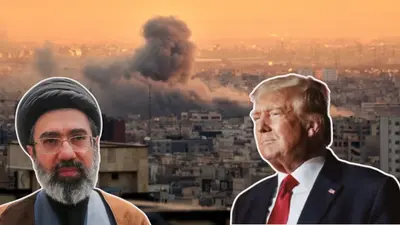








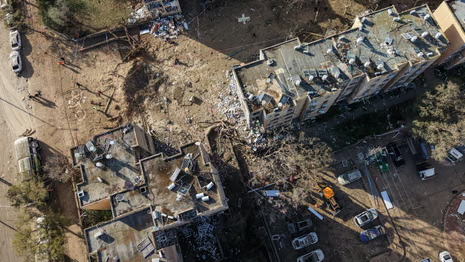
Southern Israel is grappling with the aftermath of a wave of Iranian missile strikes that hit communities near one of the country’s most sensitive sites—its main nuclear research facility in the Negev desert—marking a dangerous new phase in an already intensifying conflict.
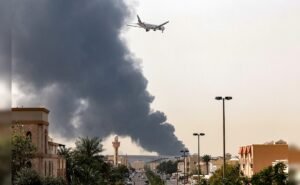
The strikes, which took place late Saturday, targeted the desert towns of Dimona and Arad, both located within tens of kilometres of Israel’s nuclear centre. Buildings were left shattered, vehicles burned, and entire neighbourhoods scarred by the explosions. Emergency crews worked through the night, pulling survivors from debris and treating the wounded as sirens and the sounds of distant blasts continued to echo.
According to Israeli health authorities, at least 180 people were injured in the attacks, many of them civilians caught in residential areas. Hospitals in the region were quickly overwhelmed, with medics describing scenes of chaos as families arrived with injuries ranging from minor shrapnel wounds to life-threatening trauma.
Air Defences Breached Near Sensitive Site
What has alarmed officials and analysts alike is not just the scale of the attack, but where it landed. For the first time in this conflict, Iranian missiles managed to penetrate Israel’s air defence systems in the vicinity of its nuclear research centre—an area typically considered among the most heavily protected in the country.
Although there were no immediate reports of damage to the nuclear facility itself, the proximity of the தாக்க has raised fears about the potential risks of escalation. International observers have warned that any strike near nuclear infrastructure—intentional or accidental—could carry catastrophic consequences for the wider region.
The UN’s nuclear watchdog confirmed that it had not detected any abnormal radiation levels following the attack, offering some reassurance amid growing concern.
Retaliation and Rising Tensions
The missile barrage came just hours after Iran’s own nuclear facility at Natanz was struck earlier the same day. While Israel has denied responsibility, Tehran has framed its actions as retaliation, part of a broader tit-for-tat cycle that has steadily intensified since late February.
In recent weeks, the conflict has expanded beyond isolated exchanges into a sustained military confrontation involving long-range missiles, drone strikes, and attacks on strategic infrastructure. Civilian areas on both sides have increasingly been caught in the crossfire.
Israeli officials have accused Iran of deliberately targeting populated areas, while Iran maintains it is aiming at military and strategic sites. The reality on the ground, however, tells a more complicated story—one in which civilians are bearing the brunt of the violence.
Scenes of Destruction and Survival
Images from the aftermath show collapsed apartment buildings, shattered windows, and residents picking through rubble in search of belongings. In some neighbourhoods, entire blocks were left uninhabitable. Rescue teams reported that some people were only saved because they managed to reach shelters in time, while others were caught out in the open.
In Arad, one missile strike hit a multi-storey residential building, injuring dozens, including children. Officials described the survival of many residents as “miraculous,” given the extent of the damage.
A Conflict with Global Implications
The strikes are part of a broader regional crisis that is increasingly drawing in global powers and raising concerns about energy security and international stability. Iran has warned it could expand its retaliation further, including targeting critical infrastructure across the Middle East, while the United States and its allies continue to weigh their next steps.
With each new exchange, the risk of a wider war grows—one that could extend far beyond Israel and Iran, potentially affecting global oil supplies, international shipping routes, and diplomatic relations across multiple continents.
Uncertain Days Ahead
For now, residents in southern Israel are left to rebuild and recover, even as the threat of further strikes looms. Schools have been disrupted, daily life has been upended, and communities remain on high alert.
The events of the past 24 hours have underscored a stark reality: the conflict has entered a more dangerous phase, where even the most heavily defended areas are no longer beyond reach—and where the line between military targets and civilian life continues to blur.