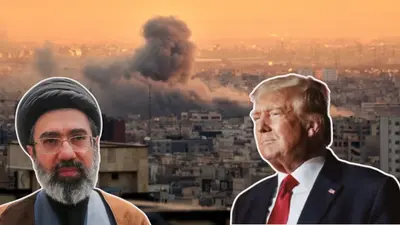







Tensions in the Middle East intensified sharply after an Iranian missile attack struck a major oil refinery in the northern Israeli city of Haifa, marking another dangerous escalation in the ongoing conflict between Iran and Israel.
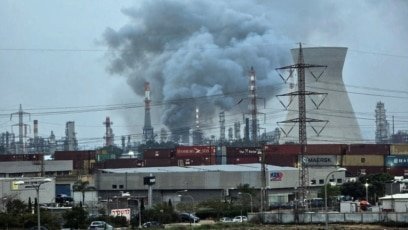
According to multiple reports, the strike targeted facilities operated by Israel’s largest refinery complex in Haifa. The impact caused visible damage and fires at the site, with plumes of smoke rising into the sky. However, early assessments indicated that the damage was limited and no casualties were immediately reported.
Israeli officials confirmed that the refinery was hit by missile debris or shrapnel rather than a direct, high-impact strike, which helped prevent a more severe disaster. Still, the incident briefly disrupted operations and raised concerns over the vulnerability of critical energy infrastructure in the region.
Retaliation Cycle Intensifies
The attack is widely seen as part of Iran’s retaliation following recent Israeli strikes on Iranian energy facilities, particularly the strategically vital South Pars gas field. That earlier strike significantly affected Iran’s gas production and triggered warnings from Tehran of a forceful response.
Iran has increasingly focused on targeting energy assets across the region, signaling a shift toward economic and infrastructure warfare. In addition to the Haifa strike, Iranian forces have reportedly targeted oil and gas facilities in Gulf countries, further widening the scope of the conflict.
Growing Regional and Global Impact
The attack on Haifa highlights how energy infrastructure has become a central battleground in the conflict. Analysts warn that continued strikes on refineries, gas fields, and shipping routes could have far-reaching consequences for global energy markets.
Recent disruptions have already contributed to rising oil prices and increased volatility, with fears mounting over the security of key supply routes such as the Strait of Hormuz—a critical passage for global oil transport.
Meanwhile, governments across the region and beyond are urging restraint, as the risk of a broader regional war continues to grow. The targeting of civilian and industrial infrastructure has further heightened international concern.
A Fragile Situation
While the Haifa refinery attack did not result in mass casualties, it underscores the fragile and rapidly deteriorating security situation in the Middle East. With both sides continuing to exchange strikes, experts warn that the conflict could spiral further, drawing in more countries and disrupting global energy supplies on an even larger scale.
As of now, there are no clear signs of de-escalation, leaving the region on edge and the world watching closely.