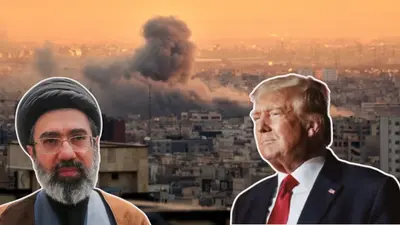






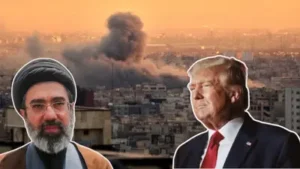

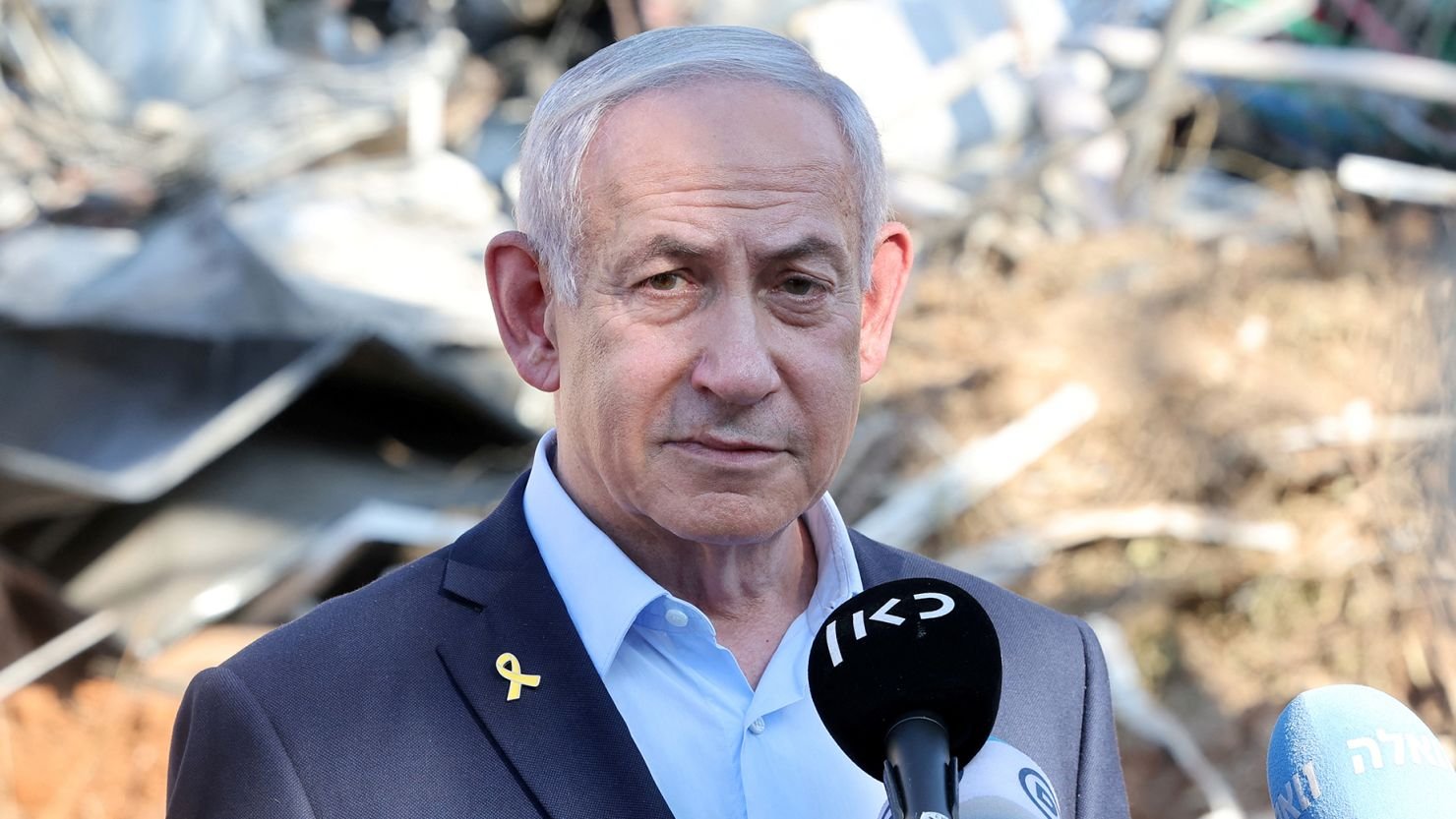
Jerusalem, March 18, 2026 — Israel’s foreign minister has declared that the country has effectively “won” its war against Iran, even as fighting continues across the region and key objectives remain unresolved.
Speaking at a press briefing, Foreign Minister Gideon Saar said Israel had already achieved a decisive strategic advantage over Iran, describing the country as significantly weakened after weeks of sustained airstrikes targeting military, nuclear, and leadership sites.
“We have already won,” Saar stated, while emphasizing that military operations would continue until Israel’s broader security goals are fully achieved.
No Clear End in Sight
Despite the declaration of victory, Saar stopped short of outlining a timeline for when the war might end. Instead, he stressed that the campaign would continue until what he described as “existential threats” posed by Iran are eliminated.
That ambiguity reflects the complex reality on the ground. While Israeli and U.S. strikes have severely damaged Iran’s military infrastructure and eliminated several senior figures, Iran retains the ability to retaliate — and has continued to do so.
In recent days, Iranian missile attacks have struck Israeli cities, including Tel Aviv, killing civilians and demonstrating that Tehran’s offensive capabilities are still intact.
A War Still Escalating
The conflict, now entering its third week, has expanded beyond Israel and Iran, drawing in multiple countries across the Middle East. Missile and drone attacks have hit targets in the Gulf, Iraq, and beyond, raising fears of a wider regional war.
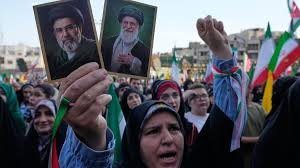
The situation has been further intensified by high-profile assassinations of Iranian leaders, including senior security officials, in strikes attributed to Israel. These killings have dealt a symbolic and operational blow to Tehran but have also triggered waves of retaliation.
At the same time, global concerns are mounting over disruptions to energy supplies, particularly around the Strait of Hormuz — a critical chokepoint for oil shipments.
Victory vs. Reality
While Israeli officials argue that Iran has been “dramatically weakened,” analysts caution that declaring victory may be premature. The Iranian government remains in control domestically, and its military networks continue to operate across the region.
U.S. intelligence assessments suggest that, despite heavy losses, Iran’s ruling structure is still intact and may even be consolidating power internally, limiting the likelihood of immediate regime change.
What Comes Next?
For now, Israel appears committed to pressing its advantage while avoiding a prolonged, indefinite war. Saar indicated that the campaign would not be endless, but also made clear that stopping short of Israel’s objectives is not an option.
The challenge lies in defining what “victory” ultimately means. If the goal is to permanently neutralize Iran’s military and nuclear capabilities — or to trigger political change within the country — the conflict could continue for an extended period.
Meanwhile, civilians across the region continue to bear the brunt of the violence, as missile strikes, air raids, and instability show no signs of easing.