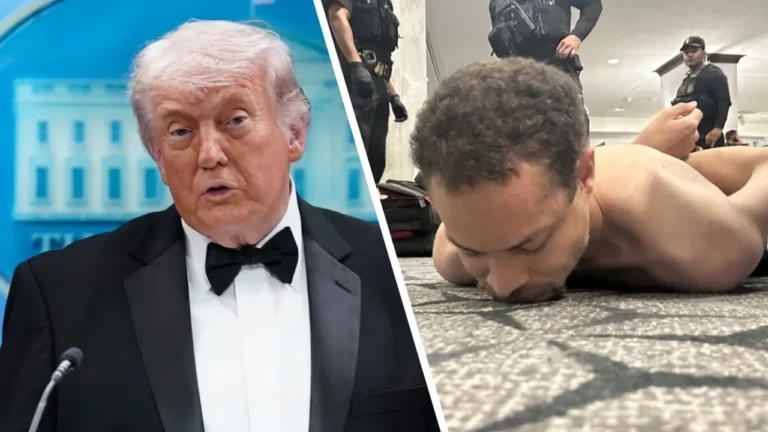
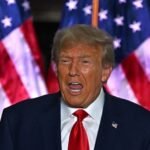
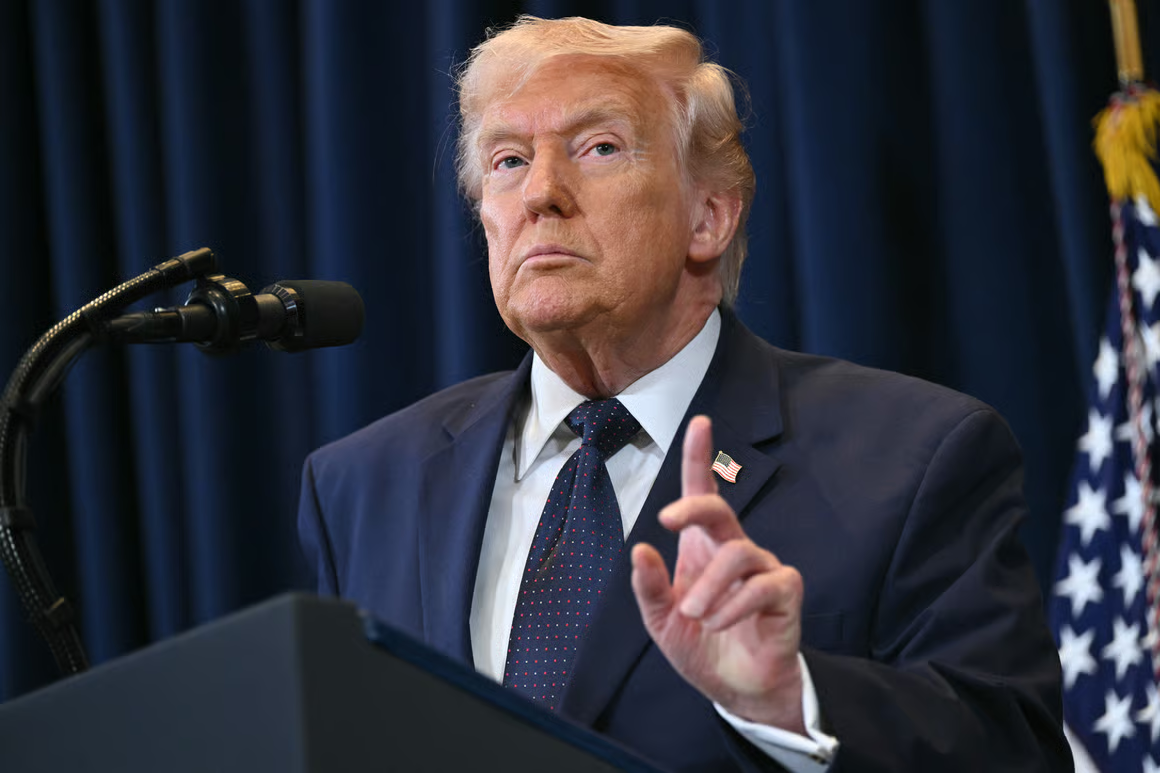
U.S. President Donald Trump has asserted that the United States does not require assistance from its allies in its ongoing conflict with Iran, even as tensions escalate and key global partners distance themselves from the situation.
Speaking amid growing international concern over the widening crisis, Trump maintained that the U.S. military is fully capable of handling operations independently. His remarks come at a time when several NATO and European allies have declined to participate in efforts linked to the conflict, particularly operations aimed at securing the strategically vital Strait of Hormuz.
“We don’t need any help,” Trump said, while also criticizing allied nations for what he described as a lack of support. He added that their absence from the mission was a “mistake,” reflecting frustration within the administration over the muted international response.
The comments follow repeated appeals by Washington for greater involvement from partner nations. However, countries across Europe—including France, Germany, and the United Kingdom—have made it clear that they do not intend to be drawn into the conflict, emphasizing that it was initiated without their consultation.
NATO has similarly refrained from direct participation, reiterating its role as a defensive alliance. Officials within the bloc have stressed that they were not consulted prior to U.S. actions and therefore are not obligated to engage militarily.
Despite Trump’s insistence on U.S. self-reliance, the situation on the ground suggests a more complex reality. The Strait of Hormuz—through which roughly one-fifth of the world’s oil supply passes—has become a focal point of the crisis, with rising security risks and disruptions to global energy markets. Efforts to safeguard shipping lanes have highlighted the importance of multinational cooperation, even as many nations remain hesitant to commit forces.
The President’s stance has also drawn attention due to its apparent contradiction: while asserting that the U.S. does not need allies, his administration has continued to urge countries, particularly those dependent on Gulf oil, to contribute to regional security efforts.
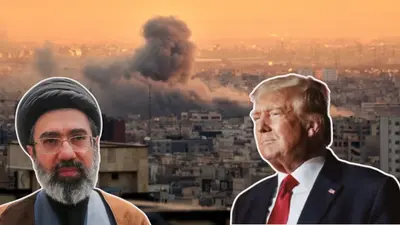
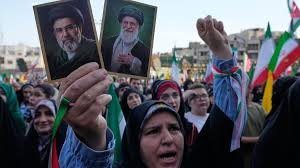
Meanwhile, the broader geopolitical fallout continues to intensify. Iran has signaled retaliation following recent strikes, and the conflict has triggered volatility in global oil prices, raising concerns about economic repercussions worldwide.
Analysts say Trump’s remarks underscore a growing divide between the United States and its traditional allies, with long-term implications for global security cooperation. As the conflict unfolds, the balance between unilateral action and international collaboration is likely to remain a central issue shaping the next phase of the crisis.