
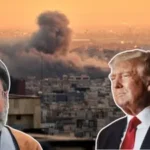
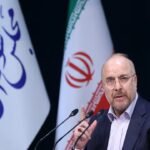



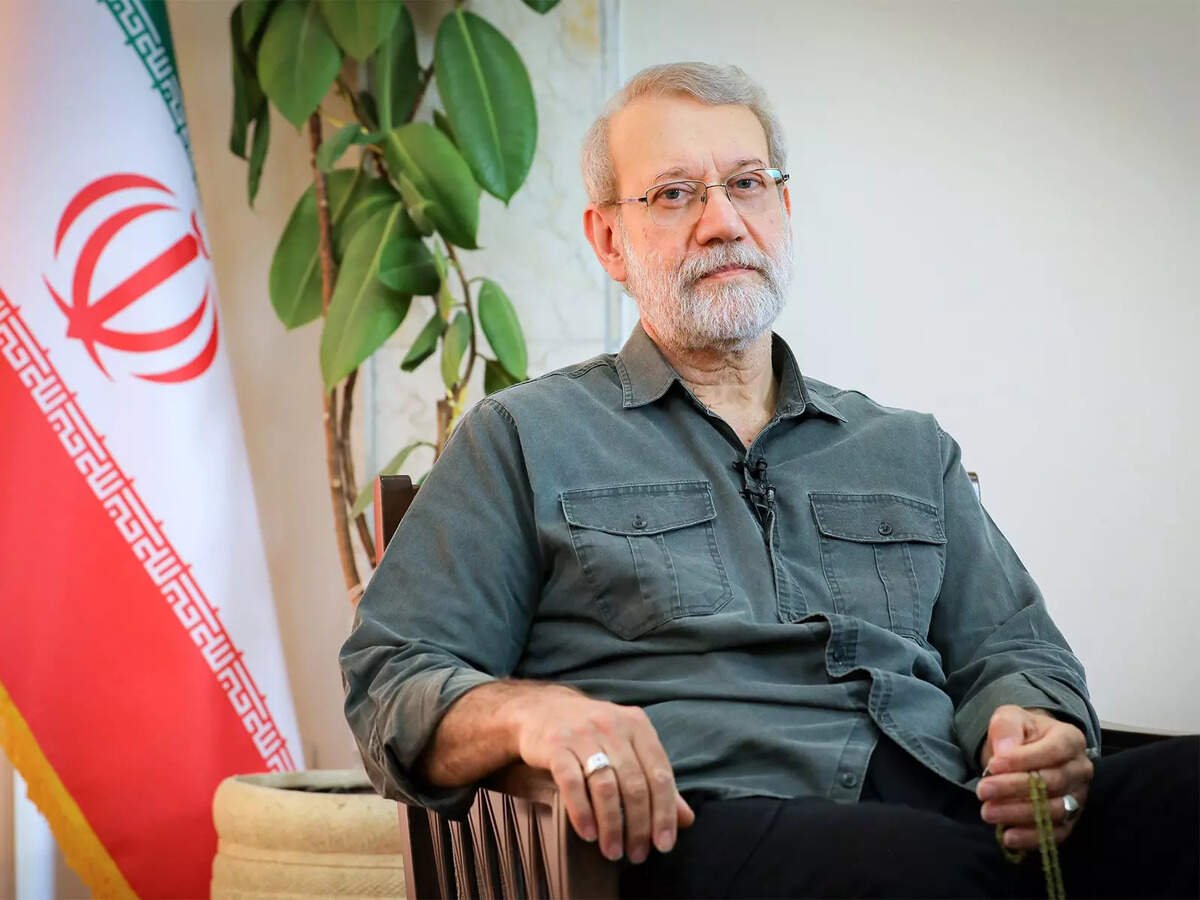
Tehran: In a major escalation of the ongoing conflict in the Middle East, Iran has confirmed the death of its top security official, Ali Larijani, following a series of airstrikes reportedly carried out by Israeli forces.
Larijani, who served as the head of Iran’s Supreme National Security Council, was one of the most influential figures in the country’s political and security establishment. His death marks one of the most significant blows to Iran’s leadership in recent weeks, as tensions with Israel and the United States continue to intensify.
Strike Targets Iran’s Top Leadership
According to Iranian state media, Larijani was killed in a targeted strike near Tehran, with reports suggesting he was at a private residence when the attack occurred. The strike also reportedly claimed the lives of several others, including close aides and security personnel.
Israeli officials have claimed responsibility for the operation, describing it as part of a broader strategy to weaken Iran’s command structure. The killing comes amid a wider campaign of strikes aimed at senior Iranian officials and military leaders.
A Powerful Figure in Iranian Politics
Larijani, 67, had long been a central figure in Iran’s political landscape. Over the years, he held several key positions, including parliament speaker, nuclear negotiator, and senior advisor to the country’s leadership. Known as a pragmatic conservative, he played a major role in shaping Iran’s domestic and foreign policy.
He was also closely associated with Iran’s late Supreme Leader, Ali Khamenei, and remained a trusted figure within the ruling establishment. Following Khamenei’s death earlier this year in separate strikes, Larijani had emerged as one of the most powerful figures guiding Iran through a period of crisis.
Role in Security and Crackdowns
In recent months, Larijani had taken on an even more prominent role in national security matters. He was widely seen as a key architect of Iran’s response to both internal unrest and external threats.
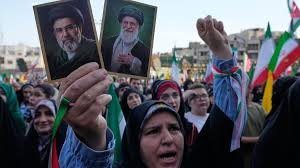
Western governments had previously sanctioned him over his alleged role in suppressing protests earlier this year, which resulted in widespread casualties and international condemnation.
Rising Regional Tensions
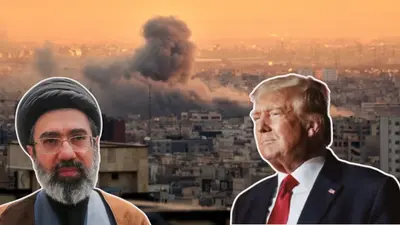
Larijani’s killing comes at a time when the Middle East is witnessing one of its most volatile periods in years. The conflict between Iran and Israel has expanded rapidly, with both sides exchanging missile and drone attacks and targeting strategic assets across the region.
Analysts say the assassination of such a high-ranking official could further escalate the situation, increasing the risk of a broader regional war. Iran has already vowed retaliation, raising concerns over potential disruptions to global energy supplies and security in key waterways like the Strait of Hormuz.
Uncertain Road Ahead
The death of Ali Larijani leaves a significant gap in Iran’s leadership at a critical moment. With several top officials killed in recent weeks, the country faces growing uncertainty over its command structure and future strategy.
As the conflict deepens, the international community has urged restraint, but with tensions continuing to rise, the possibility of further escalation remains high.