


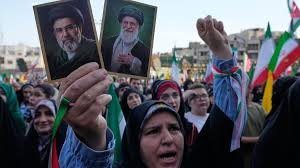

Tehran, Iran — Fresh waves of protest swept Iranian university campuses over the weekend, as hundreds of students took to the streets chanting slogans critical of the country’s leadership and clashing with security forces and pro-government groups.
Videos circulating on social media and shared by independent rights organisations show large crowds gathering across major institutions, including the University of Tehran, Sharif University of Technology and other campuses in Mashhad, Tehran and beyond. Students could be heard shouting “death to the dictator” and other anti-government slogans, expressing deep frustration over ongoing political repression and economic hardship.
The demonstrations come just weeks after a brutal government crackdown on nationwide protests last month. That earlier wave of unrest, sparked by long-standing economic pressure and political discontent, met fierce resistance from authorities, with human rights groups estimating thousands of deaths and thousands more arrests — figures far higher than official counts.
Scenes from campuses
On Sunday, students at the University of Tehran gathered near the central library, chanting “Death to the dictator” and “We will stand to the end, by the blood of our comrades,” according to reports from student networks and videos shared online. Similar scenes played out simultaneously at other universities, including Iran University of Science and Technology and Ferdowsi University in Mashhad.
While many of the protests were initially peaceful, clashes broke out in some locations. Footage from Sharif University showed confrontations between student demonstrators and paramilitary forces, as well as scuffles with pro-government individuals aligned with Iran’s Islamic Revolutionary Guard Corps.
Honouring the fallen and voicing dissent
Students described their demonstrations as both a tribute to those who lost their lives in last month’s unrest and a renewed outcry against the political system they see as unresponsive to their demands. “We swear by the blood of our comrades, we will stand to the end,” was one of the slogans heard in several videos circulating on social platforms
In the western town of Abdanan, known for its history of protest activity, demonstrators also took to the streets after the arrest of a local teacher, amplifying the chant “Death to Khamenei” and other anti-regime refrains.
Government response and wider tensions
State media outlets have largely focused on portraying unrest as the work of “infiltrators” or foreign-backed elements seeking to destabilise the country. Iranian authorities have defended their use of force in previous crackdowns and argue that security measures are necessary to maintain order. Official figures place the death toll from last month’s protests in the low thousands, though independent monitoring groups suggest the true number may be significantly higher.
The resurgent protests also unfold against the backdrop of growing international tensions. The United States and other Western nations have closely monitored the unrest, while Iran’s leadership has accused external actors of encouraging dissent.
A movement far from over?
For many students, the demonstrations are a continuation of a broader movement that has challenged economic stagnation, political repression, and a lack of meaningful reform. While the government has repeatedly tried to quash dissent, the latest round of protests suggests that frustration — particularly among young Iranians — remains high.
As universities continue to serve as flashpoints, what happens next could shape the future trajectory of public opposition in the Islamic Republic — and further influence Iran’s relations with the world