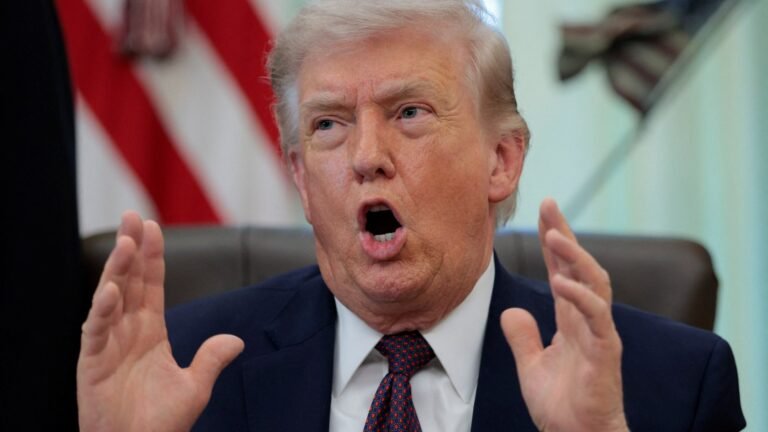



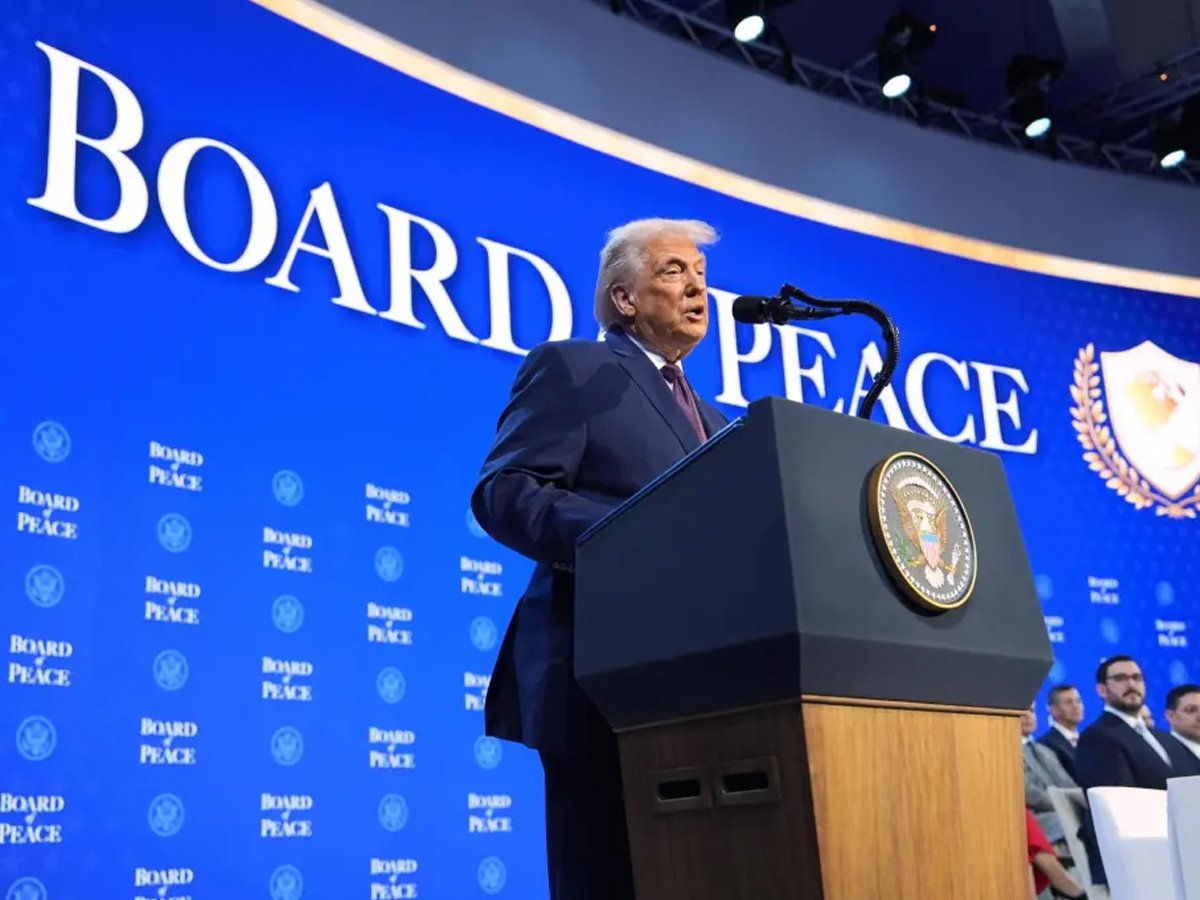
Washington, D.C. — A coalition of more than 20 countries has pledged more than USD 5 billion in aid toward the reconstruction and humanitarian recovery of war-torn Gaza, U.S. President Donald Trump announced Sunday. The commitments come as members of the newly formed Board of Peace prepare to convene for the first official meeting in Washington later this week.
Trump, who chairs the international body, shared the news in a post on his social media platform Truth Social, saying the pledges will be formally unveiled on Thursday, February 19, 2026, at the inaugural gathering. In addition to financial support, he said member states have committed “thousands of personnel” to an international stabilization force and local police efforts in Gaza to help maintain security and order as reconstruction begins.
“The Board of Peace has unlimited potential,” Trump wrote, calling the initiative “the most consequential international body in history” and stressing his pride in serving as its chairman.
A New Forum with Global Ambitions
Launched late last year during international diplomacy efforts to end hostilities between Israel and Hamas, the Board of Peace was designed as a forum to coordinate post-war recovery in Gaza and, according to U.S. officials, address broader conflicts around the world. The initiative was endorsed in a resolution at the United Nations Security Council as part of a U.S.-backed peace plan aimed at cementing a stable ceasefire.
Participating nations include regional powers such as Turkey, Egypt, Saudi Arabia, Qatar, Israel, and Indonesia, among others, although several traditional Western allies have so far expressed reservations or declined membership, citing concerns about the board’s structure, mandate and potential to rival established international institutions like the U.N. Security Council.
Aid Versus Needs: A Large Gap Remains
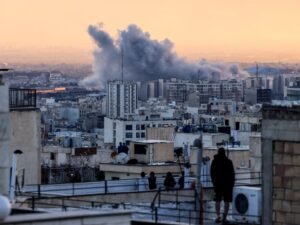
While the $5 billion pledge marks a significant early contribution, international agencies including the United Nations, World Bank and European Union estimate that rebuilding Gaza will cost around $70 billion due to the vast destruction from more than two years of conflict. Most civilian infrastructure — from hospitals and schools to homes — was heavily damaged or destroyed during the fighting.
Sources close to the planning say that although specific donor countries and breakdowns of their contributions have not been publicly detailed, one member nation — Indonesia — has already indicated plans to prepare up to 8,000 troops for deployment later this year as part of the stabilization mission. This would represent one of the first concrete personnel commitments toward the multinational effort.
Ceasefire Fragility and Ongoing Violence
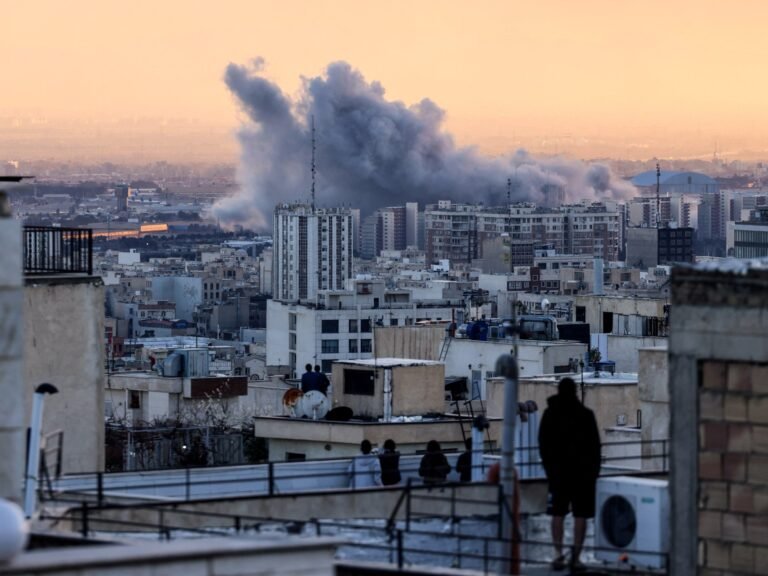
Trump’s announcement comes against the backdrop of a fragile ceasefire that took effect in October 2025, intended to halt hostilities between Israel and Hamas after more than two years of intense conflict. Despite the agreement, reports from Gaza’s health authorities and international monitors indicate that violence has continued sporadically, including Israeli military operations and militant attacks. This ongoing insecurity underscores the challenges ahead for rebuilding and achieving sustainable peace.
Representatives from many of the board’s member states are expected to attend the Washington meeting, although key figures such as Israeli Prime Minister Benjamin Netanyahu are not anticipated to be present. The session is seen as a defining moment to transition from emergency relief to longer-term reconstruction and to solidify the political architecture of this new international initiative.