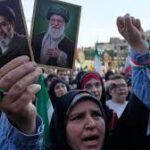

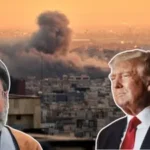

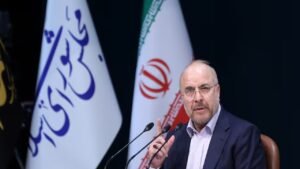
Amid escalating geopolitical tensions and a prolonged standoff with Washington, Iran has declared that the United States is no longer in a position to dictate policies to other nations—a statement that underscores a shifting global power dynamic and deepening divisions between the two countries.
The remarks, made by senior Iranian officials, come at a time when relations between Tehran and Washington are at one of their lowest points in decades. The ongoing conflict, marked by economic sanctions, military posturing, and stalled diplomatic efforts, has pushed both nations into what analysts describe as a prolonged strategic deadlock.
A Challenge to U.S. Influence
Iran’s assertion reflects growing confidence among its leadership that the global balance of power is evolving. Officials in Tehran argue that unilateral decision-making by Washington is increasingly being resisted by other countries, particularly in the context of sanctions and military interventions.
The statement also appears to be a direct response to continued U.S. pressure, including a naval blockade and demands related to Iran’s nuclear and missile programs. Iranian leaders have consistently framed these actions as overreach, describing them as violations of sovereignty and international norms.
Context: A Deepening Crisis
The backdrop to Iran’s comments is a wider conflict that began earlier this year, when tensions between the United States, Iran, and its regional rivals escalated into open confrontation. Since then, both sides have engaged in a mix of military actions and economic warfare.
The United States has maintained a strategy of “maximum pressure,” combining sanctions with efforts to restrict Iran’s oil exports and maritime trade. This includes a naval blockade aimed at limiting Iran’s access to global markets.
Iran, for its part, has resisted these measures while seeking leverage through its strategic position near the Strait of Hormuz—a critical global shipping route. Disruptions in the region have had ripple effects on global energy markets and supply chains.
Diplomatic Stalemate
Despite periodic attempts at negotiations, there has been little progress toward a resolution. Talks have repeatedly stalled, with both sides accusing each other of acting in bad faith.
Recent reports suggest that the U.S. is preparing to extend its blockade strategy rather than pursue immediate diplomatic breakthroughs.
Meanwhile, Iran has signaled that any meaningful progress would require the lifting of sanctions and recognition of its strategic interests—conditions that remain unacceptable to Washington.
A Broader Message to the World
Iran’s statement is not just aimed at the United States but also at the international community. By emphasizing that Washington can no longer dictate global policy, Tehran is appealing to other nations—particularly those in Asia, Africa, and Latin America—that have expressed frustration with U.S.-led sanctions regimes.
Analysts say this messaging is part of a broader effort by Iran to position itself within an emerging multipolar world order, where power is more distributed and regional players have greater influence.
Rising Risks and Uncertain Future
The ongoing standoff has raised concerns about further escalation. Experts warn that without a diplomatic breakthrough, the situation could either harden into a long-term “cold conflict” or spiral into a wider regional war.
At the same time, the economic and humanitarian costs are mounting. Disruptions to trade, energy supplies, and financial systems are affecting not only Iran but also global markets, contributing to volatility and uncertainty.
Conclusion
Iran’s declaration that the United States can no longer dictate policy marks a significant rhetorical escalation in an already tense relationship. It reflects both defiance and a broader geopolitical shift, as global power structures continue to evolve.
Whether this signals a lasting change in international relations—or simply a new phase in a long-running conflict—remains to be seen. For now, the world is watching closely as the standoff between Tehran and Washington shows few signs of easing.