







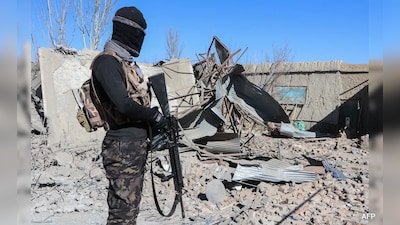
Fresh violence has erupted along the Afghanistan–Pakistan border, threatening to derail fragile diplomatic efforts after Afghan officials accused Pakistan of launching deadly cross-border strikes that killed at least seven people and injured dozens more.
According to Afghan authorities, mortars and missiles fired from across the border struck the northeastern province of Kunar on Monday, hitting residential areas and a university in the provincial capital, Asadabad. Officials said at least 85 people were wounded in the attack, including women, children, and students, with several victims reported from the Sayed Jamaluddin Afghani University.
The assault marks the first major outbreak of violence since peace talks between Afghanistan and Pakistan were held earlier this month under Chinese mediation. Those negotiations had raised cautious hopes of de-escalation after months of deadly clashes, but Monday’s incident underscores how fragile the situation remains.
Conflicting Claims
Afghan officials condemned the strikes in strong terms, describing them as a violation of sovereignty and accusing Pakistan of targeting civilian infrastructure. Government spokespersons labeled the attack “provocative” and warned it could further inflame tensions between the two neighboring countries.
Pakistan, however, has firmly denied the allegations. Its officials rejected claims that a university or civilian areas were deliberately targeted, insisting that any military actions are based on intelligence and aimed at militant threats. Islamabad dismissed Afghan reports as inaccurate and misleading.
A Conflict Rekindled
The latest violence is part of a broader escalation that has gripped the region since early 2026. Cross-border hostilities intensified in February after a series of retaliatory strikes by both sides. Hundreds of people have been killed in the fighting, with civilians often caught in the crossfire.
Tensions between the two countries are rooted in long-standing accusations by Pakistan that Afghanistan harbors militants, particularly the Tehrik-e-Taliban Pakistan (TTP), which Islamabad blames for attacks on its soil. Afghan authorities have repeatedly denied these claims, instead accusing Pakistan of unjustified military aggression.
Fragile Peace Efforts
Earlier this month, delegations from both countries met in Urumqi, China, where they agreed to avoid escalation and explore a peaceful resolution. The talks followed a temporary ceasefire during the Eid al-Fitr period, which had briefly reduced hostilities.
However, analysts say the renewed strikes highlight the deep mistrust between the two sides and the difficulty of sustaining peace. Sporadic clashes had continued even during negotiations, raising concerns that the ceasefire was more symbolic than substantive.
Humanitarian Concerns
The ongoing conflict has also triggered a growing humanitarian crisis. Tens of thousands of civilians have been displaced in recent months, with infrastructure damage and insecurity limiting access to essential services. The latest attack, which reportedly damaged educational facilities and homes, adds to the mounting toll on ordinary Afghans.
What Comes Next
With both sides standing by their narratives and no immediate sign of renewed dialogue, the situation along the border remains volatile. International mediators, including China and regional powers, are likely to face increasing pressure to step in again and prevent further escalation.
For now, the latest strikes serve as a stark reminder that despite diplomatic efforts, the Afghanistan–Pakistan conflict remains far from resolved—and civilians continue to pay the highest price.