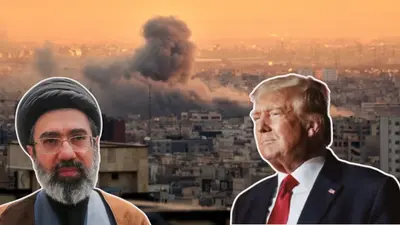






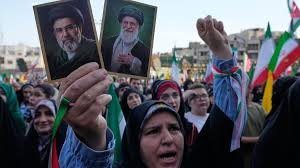


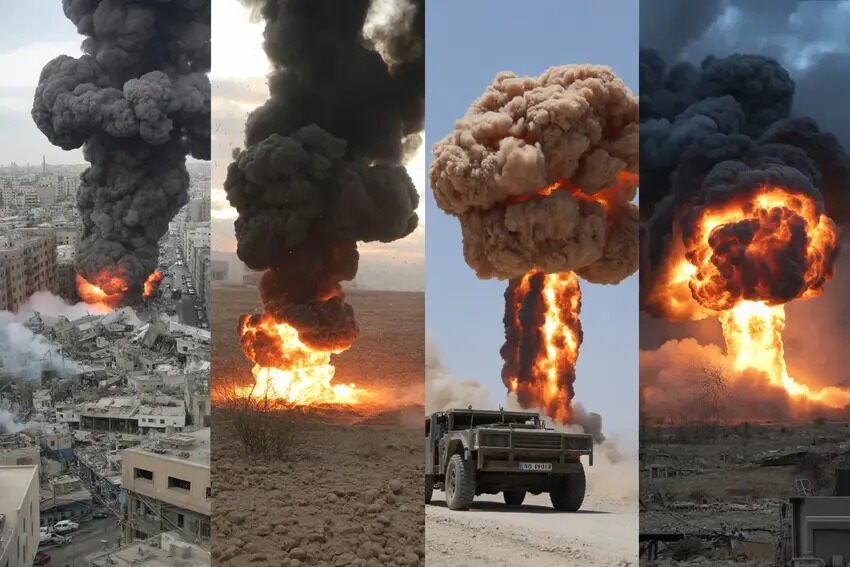
West Asia’s tourism industry is facing one of its most challenging periods in recent years, as escalating geopolitical tensions linked to the Iran conflict ripple across economies heavily dependent on travel, hospitality, and global mobility.
Countries such as Saudi Arabia, Qatar, the United Arab Emirates, Egypt, Turkey, Kuwait, and even destinations beyond the Gulf like Thailand are witnessing a sharp downturn in visitor numbers, job losses, and broader economic strain. The downturn comes amid surging oil prices, disrupted travel routes, and growing concerns over safety in the region.
Tourism Demand Plunges Across the Region
Industry analysts say the crisis has significantly dented global travel confidence. Airspace disruptions, security concerns, and rising travel costs have led to a steep decline in international arrivals.
According to estimates, tourism across the Middle East could see a drop of 11% to 27% in 2026, translating into tens of millions fewer visitors and billions of dollars in lost revenue.
In Gulf Cooperation Council (GCC) countries alone, potential tourism revenue losses could reach $32 billion, highlighting the scale of the crisis.
Hotels across key destinations have already reported performance levels falling to their lowest since the pandemic, signaling a widespread slowdown in travel activity.
Oil Prices Surge, Travel Costs Spike
At the heart of the disruption is the sharp rise in oil prices triggered by the conflict. With key shipping routes such as the Strait of Hormuz severely impacted, global energy markets have experienced what experts describe as one of the largest supply shocks in history.
Oil prices have climbed above $110 per barrel, driving up aviation fuel costs and, consequently, airfare prices worldwide.
For travelers, this has translated into significantly higher travel expenses. In some markets, international travel packages have become 20–25% more expensive, leading to a noticeable drop in outbound tourism demand.
The combination of high costs and safety concerns has caused travelers to reconsider plans, often shifting to alternative destinations perceived as more stable.
Job Losses and Economic Pressure Mount
The tourism slump is now spilling over into labor markets. Hotels, airlines, and tour operators are scaling back operations, leading to job cuts and reduced hiring across the region.
Reports indicate that while some hiring continues, it is selective and cautious, reflecting uncertainty in the sector’s recovery timeline.
More broadly, the economic outlook for Gulf countries has weakened. Growth forecasts have been revised sharply downward, with some projections suggesting regional GDP growth could fall to nearly 1.3% in 2026, compared to stronger growth in previous years.
In worst-case scenarios, economies in the region could even face recession-like conditions if the conflict persists.
Saudi Arabia’s Tourism Ambitions Under Strain
Saudi Arabia, which has been investing heavily in tourism as part of its long-term economic diversification strategy, is particularly affected. The country’s ambitious Vision 2030 plan aims to reduce dependence on oil by turning the kingdom into a global tourism and entertainment hub.
However, the ongoing conflict has disrupted these plans, with infrastructure challenges, reduced visitor inflows, and broader financial pressures complicating progress.
While high oil prices provide some fiscal relief, they also underscore the very dependence Saudi Arabia is trying to move away from—highlighting the delicate balance the country must maintain.
A Regional Crisis With Global Impact
The crisis is not limited to the Middle East. Given the region’s role as a major global transit hub—accounting for a significant share of international air traffic—disruptions are being felt worldwide.
Flight cancellations, rerouted journeys, and higher fuel costs are affecting airlines and travelers across continents. Meanwhile, countries reliant on Gulf tourism and transit traffic are also experiencing secondary economic impacts.
Outlook: Recovery Hinges on Stability
Experts agree that the recovery of the tourism sector in West Asia will depend largely on geopolitical developments. A swift resolution to the conflict could limit losses, while a prolonged crisis risks deeper economic damage.
For now, the region’s tourism-dependent economies are navigating a complex mix of rising costs, falling demand, and uncertain prospects—marking a stark reversal from the growth trajectory seen in recent years.
As governments and businesses adapt to the new reality, the path forward remains closely tied to stability in one of the world’s most strategically critical regions.