




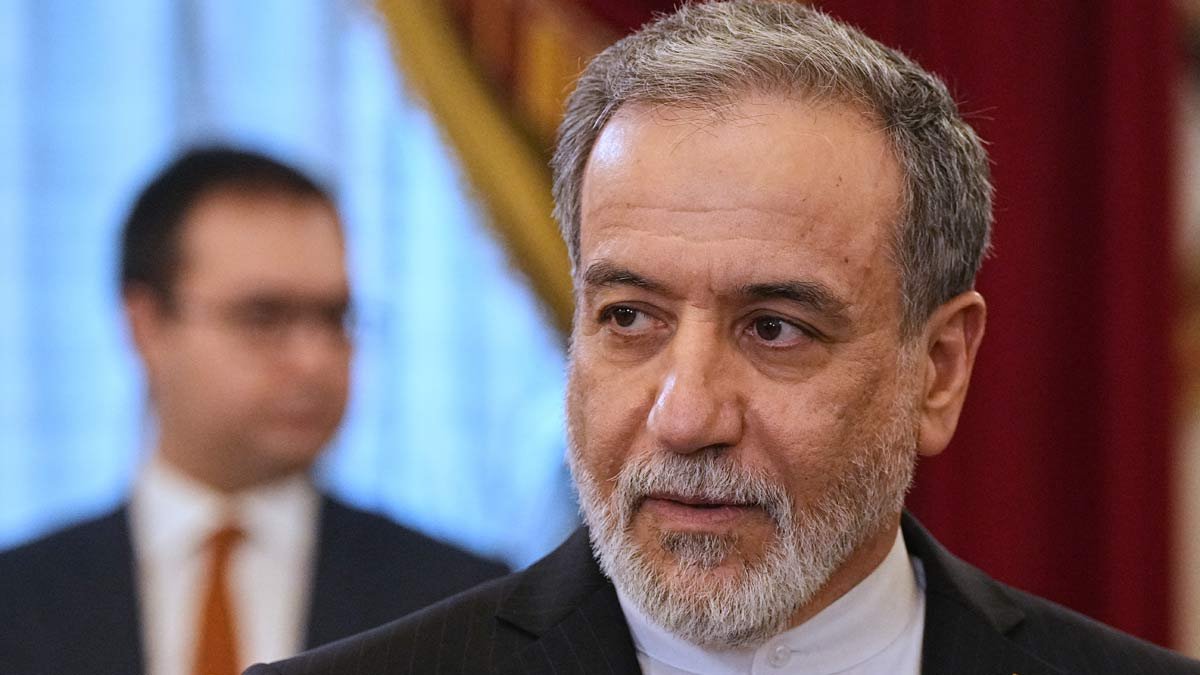
ran’s top diplomat, Abbas Araghchi, has made a whirlwind series of diplomatic moves, returning to Pakistan for the third time in just 48 hours following a high-profile visit to Russia. The rapid travel underscores intensifying efforts by Tehran to navigate a fragile geopolitical moment marked by stalled peace talks and escalating regional tensions.
Araghchi’s latest visit to Islamabad comes at a time when Pakistan is emerging as a key intermediary between Iran and the United States. Diplomatic messages between Tehran and Washington are increasingly being routed through Islamabad, even as direct talks remain elusive.
Shuttle diplomacy amid deadlock
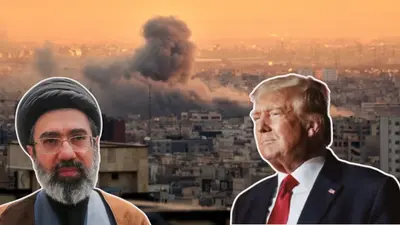
The Iranian foreign minister’s back-and-forth travel reflects the urgency of ongoing negotiations tied to the broader 2026 Iran conflict. The war, which began in late February after joint US-Israeli strikes, has since triggered retaliatory attacks, disrupted global oil flows, and heightened tensions across the Middle East.
Pakistan has attempted to position itself as a neutral mediator, hosting earlier rounds of talks in Islamabad. However, recent developments suggest limited progress. A planned visit by US envoys to Pakistan was cancelled, dealing a blow to hopes for a diplomatic breakthrough.
Despite this, Araghchi’s repeated visits signal Tehran’s continued reliance on indirect channels to keep negotiations alive.
Moscow visit signals strategic alignment
Before returning to Pakistan, Araghchi met Russian President Vladimir Putin in Moscow, highlighting deepening ties between Tehran and Moscow. During the meeting, Putin reaffirmed support for Iran and emphasized the importance of their strategic partnership.
The visit is widely seen as part of Iran’s broader strategy to strengthen alliances amid pressure from the United States and its allies. Analysts note that Russia has positioned itself as both a supporter of Iran and a potential mediator in the conflict.
Diplomacy under pressure
Araghchi’s diplomatic push comes against the backdrop of a worsening standoff between Iran and the United States. Washington has maintained a naval blockade of Iranian ports, while Tehran has signaled willingness to ease disruptions in the Strait of Hormuz if sanctions and restrictions are lifted.
However, major sticking points remain, particularly over Iran’s nuclear program and the terms of any potential ceasefire. US officials have indicated reluctance to engage in further in-person talks, opting instead for remote communication channels.
Regional implications
The fast-paced diplomatic engagements reflect not only Iran’s urgency but also the high stakes for the region. The Strait of Hormuz — a critical artery for global oil shipments — remains a focal point of the crisis, with disruptions already impacting global energy markets.
Meanwhile, competing mediation efforts from countries like Oman highlight the complexity of the diplomatic landscape, potentially limiting Pakistan’s influence as a broker.
Outlook
With tensions still high and negotiations stalled, Araghchi’s repeated trips between Moscow and Islamabad illustrate a broader pattern of “shuttle diplomacy” aimed at preventing further escalation. While no immediate breakthrough appears imminent, the continued engagement suggests that all sides are still exploring pathways to de-escalation — even if progress remains slow and uncertain.