










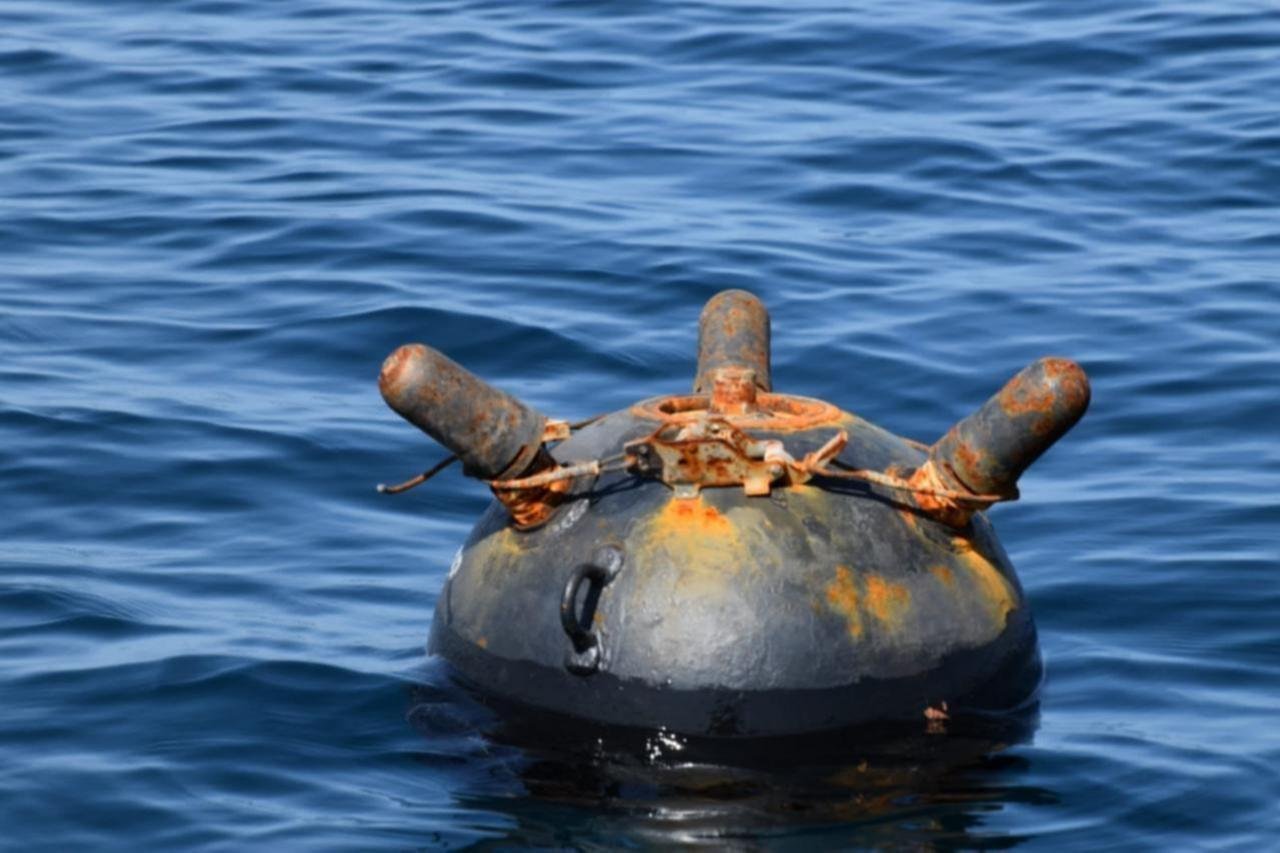
Clearing the strategically vital Strait of Hormuz of sea mines could take as long as six months, according to a recent assessment shared by the Pentagon with U.S. lawmakers, raising concerns about prolonged disruption to global energy supplies and maritime trade.
The warning came during a classified briefing to members of Congress, where defense officials outlined the scale and complexity of the challenge. The Strait of Hormuz — a narrow but crucial waterway linking the Persian Gulf to global markets — carries roughly 20% of the world’s oil supply, making any disruption there a major global concern.
A Slow and Risky Operation
Officials believe that Iranian forces have deployed multiple types of sea mines across the strait, including sophisticated devices that can be remotely controlled or guided using GPS technology. Some mines are thought to have been placed by small boats, while others may drift or remain anchored below the surface, making detection difficult.
Military experts say clearing such mines is not a quick task. The process involves locating each device using sonar or drones, identifying it, and then safely neutralizing it — often with remote-controlled equipment or divers. Each step is time-consuming and potentially dangerous, especially in a conflict zone.
Even with advanced tools like underwater drones, robotic systems, and helicopters, mine clearance remains a painstaking effort. “Finding and destroying mines is very time consuming,” one U.S. naval official noted in earlier assessments.
Impact on Global Energy Markets
The extended timeline has significant economic implications. If mines remain in the strait for months, shipping traffic could stay restricted, keeping oil and gas prices elevated worldwide. Analysts warn that even the threat of mines can deter commercial vessels from passing through the area, amplifying supply concerns.
Shipping insurers, tanker operators, and governments are already closely monitoring the situation, as uncertainty in the region continues to ripple through global markets.
Political and Strategic Fallout
The Pentagon’s estimate has also sparked frustration among U.S. lawmakers, who worry about the broader consequences of a prolonged disruption. The situation comes amid ongoing tensions between the United States and Iran, with intermittent ceasefire efforts and stalled negotiations.
While some political leaders have suggested that mine-clearing efforts are already underway or progressing quickly, defense officials caution that the reality on the ground is far more complicated. In fact, large-scale clearance operations may not fully begin until active hostilities subside.
A Lingering Threat
Experts emphasize that even after a ceasefire or peace agreement, the danger may persist. Mines can remain hidden and active for long periods, posing risks to both military and commercial vessels.
As one analyst put it, the challenge is not just reopening the strait — but ensuring it stays safe. Until then, the Strait of Hormuz is likely to remain a focal point of geopolitical tension and economic uncertainty.