




An Israeli airstrike in southern Lebanon has killed a journalist, wounded another, and sparked renewed international concern over the safety of media workers in conflict zones, according to local officials and reports from the ground.
The incident occurred near the village of al-Tayri, where two journalists were covering the aftermath of earlier strikes. According to Lebanon’s health ministry and eyewitness accounts, a strike first hit a vehicle near the reporters. As they fled and took shelter inside a nearby house, the building itself was struck shortly afterward.
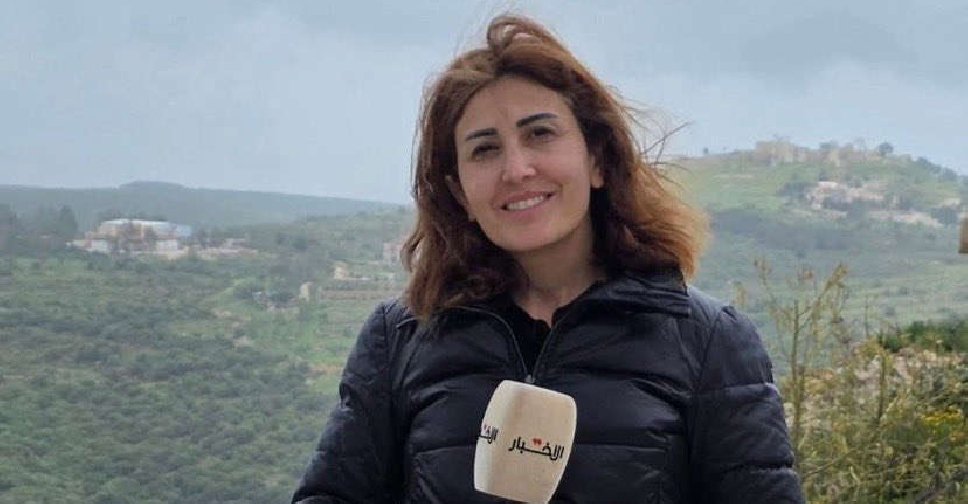
One of the journalists, Amal Khalil, who worked for the Lebanese newspaper Al-Akhbar, was trapped beneath the rubble. Rescue teams reportedly struggled for hours to reach her due to continued shelling and gunfire in the area. She was later found dead.
Her colleague, photographer Zeinab Faraj, survived but suffered serious head injuries and was taken to hospital for treatment.
Rescue efforts delayed
Local officials and media advocates accused Israeli forces of hindering rescue operations, alleging that ongoing fire and the use of sound grenades prevented emergency teams from accessing the site quickly.
The Israeli military acknowledged that journalists may have been injured in the strike but denied deliberately targeting them or obstructing rescue efforts. In a statement, it said the attack was aimed at vehicles linked to Hezbollah that had entered a restricted zone along the border.
Rising tensions despite ceasefire
The strike comes just days after a ceasefire agreement intended to halt escalating violence between Israel and Hezbollah. Wednesday’s attacks marked one of the deadliest days since the truce began, with at least five people reported killed.
The broader conflict, which reignited earlier this year, has already claimed thousands of lives in Lebanon and Israel, according to official figures.
Condemnation and calls for investigation
Lebanese officials, press organizations, and international observers condemned the incident, calling for an independent investigation. Some described the strike as a potential violation of international law, particularly given the targeting of a location where journalists had taken shelter.
Khalil’s death adds to a growing number of journalists killed while covering the conflict, underscoring the increasing risks faced by media workers in the region.
A dangerous environment for reporting
The incident highlights the volatile conditions in southern Lebanon, where ongoing military operations, shifting frontlines, and contested narratives make reporting both essential and perilous. Journalists often arrive at strike sites within minutes to document damage and casualties—placing them at risk of follow-up attacks.
As diplomatic efforts continue, including planned talks in Washington aimed at extending the ceasefire, the latest strike raises fresh doubts about whether the fragile truce can hold—and whether those documenting the war can do so safely.