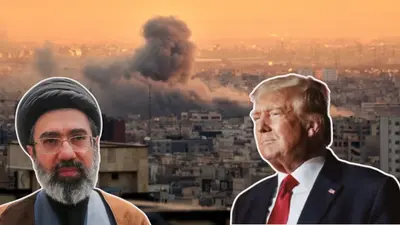






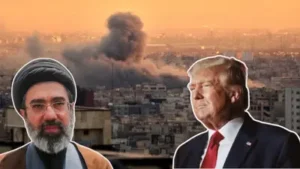


Tensions in the Middle East intensified on Thursday as attacks on oil tankers in Iraqi waters signaled that the ongoing conflict between the United States and Iran is far from over. The latest incidents come despite statements from U.S. President Donald Trump suggesting the war could end soon, highlighting the deep uncertainty surrounding the conflict’s trajectory.
Tanker Attacks Ignite Fresh Crisis
At least two fuel tankers were set ablaze near Iraq’s southern oil ports after being struck by explosive-laden boats believed to be linked to Iranian forces. The vessels caught fire in the Persian Gulf, killing at least one crew member and forcing the evacuation of dozens of sailors.
The attacks occurred near Iraq’s critical oil export terminals, a region vital to global energy supplies. Authorities in Iraq temporarily halted operations at nearby ports as emergency crews worked to contain fires and rescue crew members.
The incidents are part of a broader wave of maritime attacks in the Gulf region in recent days. Several cargo ships and tankers have reportedly been damaged by projectiles or explosive devices as hostilities escalate across the Middle East.
No Clear End to the War
The tanker strikes came as both Washington and Tehran signaled that the conflict may continue. President Trump recently said the war could end quickly and claimed there was “practically nothing left” to target in Iran after weeks of U.S. and Israeli strikes on Iranian military infrastructure.
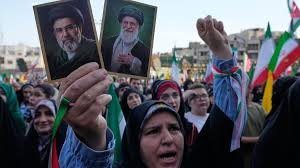
However, Iran has vowed to continue retaliatory actions, particularly against shipping and energy infrastructure linked to the United States and its allies. Iranian officials have warned that global oil markets could face extreme volatility if the conflict continues.
The war began nearly two weeks ago when the United States and Israel launched coordinated strikes on Iranian military sites and facilities tied to its nuclear program. Iran responded with missile attacks, drone strikes, and naval operations targeting shipping routes and regional bases.
Oil Prices Surge Above $100
The attacks have already rattled global energy markets. Oil prices jumped sharply, with Brent crude rising above $100 per barrel amid fears that shipping through the region could be severely disrupted.
The strategic Strait of Hormuz — through which roughly one-fifth of the world’s oil supply passes — has become a focal point of the crisis. Shipping traffic through the narrow waterway has slowed dramatically as companies fear further attacks.
To stabilize markets, the International Energy Agency announced plans to release a record 400 million barrels of oil from global strategic reserves, including a large portion from U.S. stockpiles.
Global Shipping Under Threat
The recent attacks underline how commercial vessels are increasingly caught in the crossfire of the war. Iran’s Islamic Revolutionary Guard Corps has warned that ships linked to the U.S. or its allies could be targeted while passing through the region.
With insurance costs rising and safety risks increasing, many shipping companies have already begun rerouting vessels or suspending operations in the Gulf altogether. Analysts say the disruption could have major consequences for global trade and fuel prices if the conflict continues.
A Growing Regional Conflict
Beyond the maritime attacks, the conflict has spread across the Middle East. Airstrikes, missile launches, and drone attacks have been reported in multiple countries, raising fears that the war could evolve into a wider regional confrontation involving several states.
Despite international calls for de-escalation, both sides appear determined to continue military operations. For now, the burning tankers in Iraqi waters serve as a stark reminder that the war’s economic and humanitarian consequences are spreading far beyond the battlefield.