







The massive sovereign wealth funds built by Gulf countries over decades of oil and gas revenues may soon be called upon for the very purpose they were created for: protecting national economies during times of crisis.
With geopolitical tensions escalating across the Middle East and disruptions affecting key energy routes, analysts say governments in the Gulf could increasingly rely on their enormous financial reserves to stabilize their economies and maintain spending.
These funds—collectively worth an estimated $5 trillion—were originally designed as financial safety nets, allowing oil-rich nations to save surplus energy revenues during boom years and use them when markets turn volatile. Today, the region’s current instability suggests that “rainy day” may have arrived.
Growing Pressure from Regional Conflict
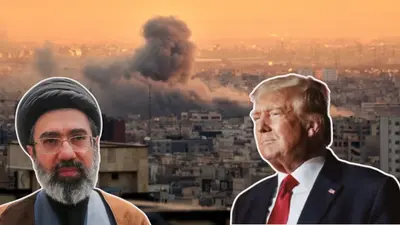
The Middle East has entered a period of heightened uncertainty following military confrontations involving Iran, the United States, and Israel. The tensions have disrupted energy flows across the Strait of Hormuz, one of the world’s most critical shipping routes for oil and liquefied natural gas.
Several energy facilities in the region have faced operational disruptions, and tanker movements have slowed significantly. The instability has pushed global oil prices higher—rising roughly 20% since the conflict escalated—but the economic consequences extend far beyond energy markets.
Rising defense spending, weaker investor confidence, and slower economic activity are adding pressure on Gulf economies that have spent years trying to diversify beyond oil.
The Region’s Financial Safety Nets
Gulf sovereign wealth funds rank among the largest investment vehicles in the world. These state-owned funds manage trillions of dollars in assets ranging from global equities and technology companies to real estate and infrastructure projects.
Major funds include:
-
Abu Dhabi Investment Authority, which manages more than $1 trillion in assets.
-
Public Investment Fund, a key driver of Saudi Arabia’s economic transformation plans.
-
Qatar Investment Authority, with hundreds of billions invested globally in industries such as finance, real estate, and sports.
These funds were built primarily from surplus oil revenues and serve multiple purposes: generating returns, supporting long-term economic diversification, and providing financial stability during economic shocks.
Historically, they have also been used during emergencies. Kuwait, for example, relied heavily on its sovereign wealth assets after the Iraqi invasion in 1990.
Saudi Arabia’s Fiscal Balancing Act
Saudi Arabia—home to the region’s largest economy—faces a particularly delicate situation. While oil prices have risen during the current crisis, the kingdom continues to run fiscal deficits due to large domestic spending programs.
The government has projected a deficit for 2026 while continuing to finance large infrastructure and development projects tied to its Vision 2030 economic reform strategy.
Saudi Arabia’s sovereign wealth vehicle, the Public Investment Fund (PIF), plays a central role in financing these ambitious projects, which range from futuristic cities to major global sports and entertainment investments.
However, analysts warn that the fund may face constraints if geopolitical tensions persist and economic conditions worsen.
Impact on Economic Diversification
Over the past decade, Gulf states have pushed aggressively to reduce their reliance on oil revenues by investing in tourism, technology, renewable energy, and financial services.
But a prolonged regional crisis could slow these efforts.
Financial institutions such as JPMorgan have warned that non-oil economic growth in the region may weaken if investor confidence declines or if capital flows become more cautious.
In particular, higher borrowing costs and market volatility could affect sovereign funds’ ability to finance both domestic projects and international investments.
Limited Asset Sales Expected
Despite the potential need for additional financial support, experts say Gulf sovereign wealth funds are unlikely to undertake large-scale asset sales.
Instead, governments may rely on more subtle adjustments—such as slowing overseas investments, reallocating funds toward domestic priorities, or drawing selectively from reserves.
These funds were built with long investment horizons in mind, meaning their managers typically avoid sudden changes to their portfolios unless absolutely necessary.
A Test of Financial Resilience
For decades, Gulf nations have accumulated enormous wealth from hydrocarbons with the intention of protecting future generations and shielding their economies from shocks.
Now, as regional instability intensifies, those reserves may finally be put to the test.
While the region’s financial buffers remain vast, economists say the coming months will reveal how effectively Gulf governments can balance immediate economic pressures with long-term investment strategies.
The funds were built for difficult times. Whether the current crisis becomes one of those defining moments may depend largely on how long the geopolitical turmoil lasts—and how deeply it affects global energy markets.