





Kathmandu: Nepal has begun counting votes in its highly anticipated 2026 general elections, the first national poll held after last year’s powerful Gen-Z-led protests that toppled the government and reshaped the country’s political landscape. Early trends suggest a strong surge for new political forces, with rapper-turned-politician Balendra Shah emerging as the leading figure in the race.
The election is widely viewed as a turning point for the Himalayan nation, as millions of voters—especially young people—seek political change after months of unrest and frustration with traditional parties.
A Historic Election After Youth-Led Protests
The 2026 election comes less than a year after massive youth protests shook Nepal. The demonstrations, largely driven by Gen-Z activists, erupted over issues such as corruption, unemployment, and government restrictions on social media. The unrest eventually forced the government led by former Prime Minister K.P. Sharma Oli to step down.
The protests were among the largest political upheavals in the country in recent years. At least dozens of people were reported killed during clashes with authorities, intensifying calls for political reform and accountability.
As a result, an interim administration was formed and fresh parliamentary elections were scheduled for March 2026, giving voters the opportunity to decide the country’s political direction.
Millions Vote to Elect 275-Member Parliament
According to election officials, around 18.9 million registered voters were eligible to participate in the election. Citizens voted to elect members of the 275-seat House of Representatives, Nepal’s lower house of parliament.
The electoral system includes two components:
-
165 seats decided through direct constituency voting
-
110 seats allocated through proportional representation
Polling stations across the country opened early in the morning and voting continued until evening. Despite concerns about unrest after the protests, the voting process was largely peaceful.
Ballot boxes from remote mountainous areas were transported to counting centers, in some cases by helicopter due to difficult terrain.
Balendra Shah and RSP Surge Ahead
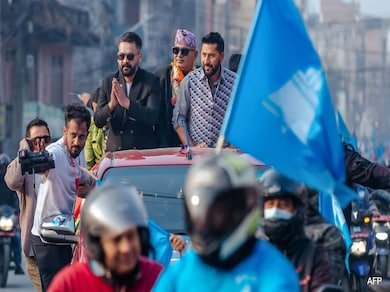
Early counting trends show a strong lead for the Rastriya Swatantra Party (RSP), led by Balendra Shah, a former rapper and ex-mayor of Kathmandu.
Shah, widely known by his nickname “Balen,” gained immense popularity among young voters during and after the protest movement. His campaign focused on anti-corruption measures, economic reform, and breaking the hold of traditional political elites.
Initial reports indicate that:
-
RSP has already won several seats
-
The party is leading in dozens of constituencies
-
Traditional parties are trailing behind in early trends
In some constituencies, Shah is even reported to be leading against veteran leaders, including former Prime Minister K.P. Sharma Oli.
Traditional Parties Face Tough Competition
Nepal’s long-established political parties appear to be struggling in the early results. These include:
-
Communist Party of Nepal (Unified Marxist-Leninist) led by K.P. Sharma Oli
-
Nepali Congress, represented by leaders such as Gagan Thapa
-
Other left-leaning and regional parties
These parties have dominated Nepalese politics for decades but have faced increasing criticism for political instability, corruption scandals, and slow economic progress.
Analysts say the 2026 election reflects growing public frustration with the traditional political establishment.
Youth Vote Shapes the Election
One of the defining features of this election is the influence of young voters, particularly Gen-Z citizens who were at the forefront of last year’s protests.
Many young Nepalis say they want a new political culture that prioritizes transparency, job creation, and modernization. Social media campaigns, online debates, and youth activism have played a major role in mobilizing voters during the campaign season.
Balendra Shah’s rise is closely tied to this youth movement. His strong social media presence and anti-establishment messaging have resonated with first-time voters who feel disconnected from older political leaders.
What Happens Next?
Vote counting is expected to continue for several days as ballots from remote regions arrive at counting centers. Final results will determine whether any party gains a clear majority in parliament or whether coalition negotiations will be required.
Political observers say the outcome could significantly reshape Nepal’s political future. If Shah’s party secures enough seats, it could lead to a historic shift away from traditional parties that have dominated the country for decades.
However, even if new political forces win major gains, analysts warn that governing Nepal will remain challenging due to economic difficulties, regional tensions, and the country’s complex coalition politics.
A Turning Point for Nepal
Regardless of the final results, the 2026 election is already being seen as one of the most consequential in Nepal’s recent history.
The vote represents more than just a contest between political parties—it reflects a broader struggle between an old political system and a younger generation demanding change.
For many voters, the election is an opportunity to transform the country after months of political turmoil and protest.
As counting continues, the world is watching to see whether Nepal’s youth-driven political wave will translate into lasting change in the nation’s government.