







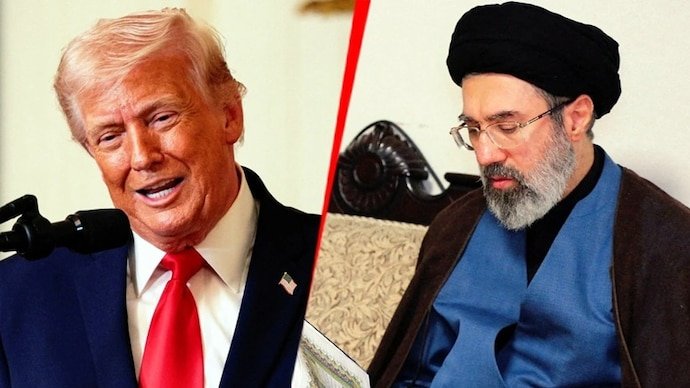
Diplomatic efforts to halt the escalating conflict between the United States and Iran have intensified, with both sides—alongside regional mediators—working toward a proposed 45-day ceasefire that could pave the way for a longer-term peace deal.
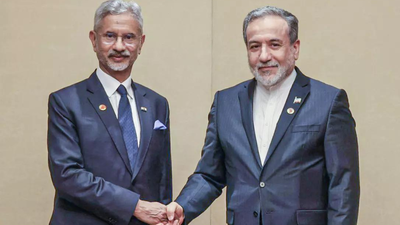
According to reports cited by Reuters, officials from Washington and Tehran are engaged in indirect negotiations, supported by intermediaries from countries such as Pakistan, Egypt, and Turkey. The talks are being described as a last-ditch attempt to prevent a broader regional escalation that could have devastating consequences across the Middle East.
A Two-Phase Plan for Peace
Sources familiar with the discussions say the proposed agreement is structured in two phases. The first phase would involve a temporary 45-day ceasefire, during which both sides would attempt to negotiate a permanent end to hostilities. If progress is made but more time is needed, the truce could be extended.
The second phase would focus on reaching a comprehensive agreement to formally end the conflict.
While the framework offers a potential path toward de-escalation, officials caution that the chances of reaching even a partial deal remain uncertain, given the deep divisions between the two sides.
High Stakes and Tight Deadlines
The urgency surrounding the talks has been heightened by a looming deadline set by Donald Trump. The U.S. president has warned that Iran must reopen the strategically vital Strait of Hormuz—or face potential military strikes on critical infrastructure.
This ultimatum has added pressure on negotiators, who are racing against time to secure at least a temporary pause in fighting. Analysts warn that failure to reach an agreement could trigger wider attacks across the region, including on energy and water infrastructure in Gulf countries.
Key Issues in Negotiations
Beyond the ceasefire itself, the discussions are also tackling several contentious issues, including:
- The reopening of the Strait of Hormuz, a crucial global oil shipping route
- Iran’s uranium enrichment and nuclear stockpile
- Confidence-building measures to reduce immediate military risks
These sticking points have long complicated U.S.-Iran relations, making any agreement difficult to achieve quickly.
A Region on Edge
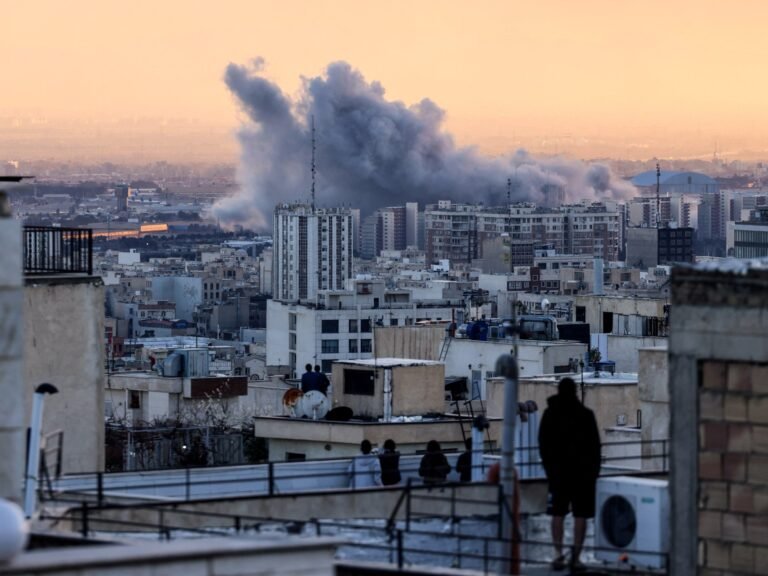
The talks come amid ongoing violence and rising tensions across the Middle East. Recent weeks have seen continued airstrikes, missile attacks, and threats of retaliation, with thousands already affected by the conflict.
Oil markets have also reacted sharply, reflecting fears that disruptions in the Strait of Hormuz could impact global energy supplies.
Diplomats warn that without a breakthrough, the situation could spiral into a much broader confrontation involving multiple countries in the region.
Uncertainty Remains
Despite the diplomatic push, there has been no official confirmation from the White House or the U.S. State Department regarding the ceasefire proposal. Reuters noted that it could not independently verify all aspects of the Axios report.
For now, the proposed 45-day ceasefire remains a fragile possibility—one that could either mark the beginning of peace talks or collapse under the weight of political and military pressures.