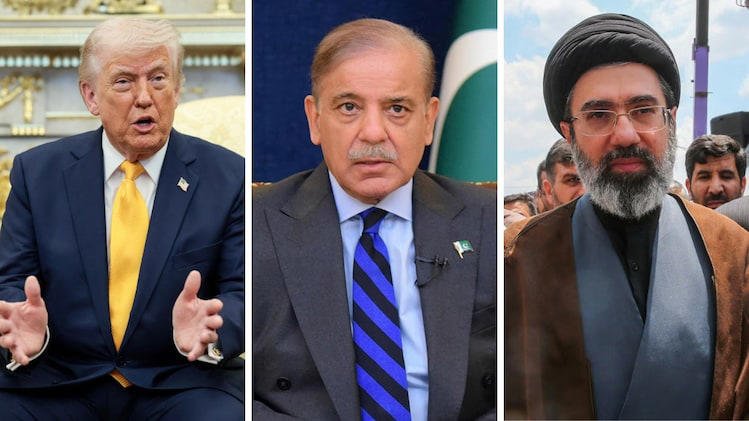


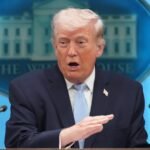
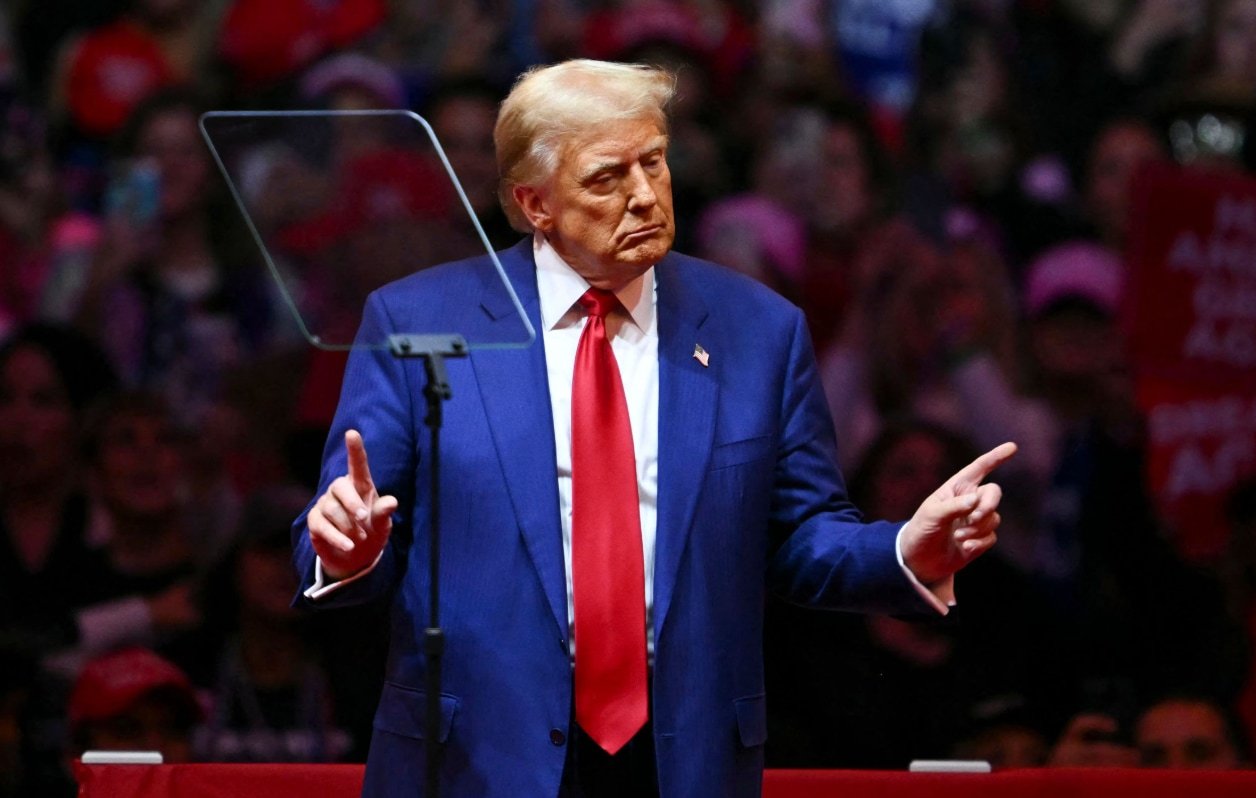
Tensions in the Middle East surged dramatically this week after former U.S. President Donald Trump issued one of his most extreme warnings yet to Iran, declaring that “a whole civilization will die tonight” if the country failed to meet a U.S. ultimatum.
The statement, posted on Trump’s social media platform, came as part of escalating rhetoric during the ongoing conflict involving the United States, Iran, and Israel. It marked a sharp intensification in tone, even as military activity in the region continued to grow.
A Deadline With Global Consequences
According to multiple reports, Trump had set a strict deadline for Iran to comply with U.S. demands—primarily reopening the strategically vital Strait of Hormuz, a key global oil route. Failure to do so, he warned, could result in devastating military action targeting critical infrastructure across Iran.
In his message, Trump said: “A whole civilization will die tonight… I don’t want that to happen, but it probably will.” The comment quickly drew international attention and concern due to its scale and implications.
Escalating Military Activity
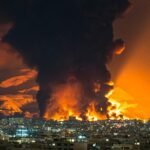
The warning came alongside intensified military operations. U.S. forces reportedly carried out strikes on strategic Iranian locations, including infrastructure tied to transportation and energy. Key sites such as bridges, railways, and facilities linked to Iran’s oil exports were targeted in recent days.
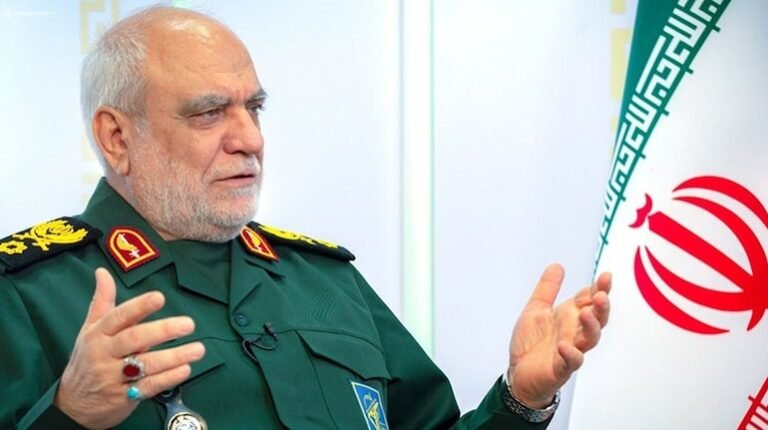
Iran, in turn, signaled it would retaliate if attacked further, raising fears of a broader regional conflict that could impact global energy supplies and stability.
Legal and Ethical Concerns
Trump’s rhetoric has triggered widespread criticism from legal experts and international observers. Analysts warned that threats to destroy civilian infrastructure could violate international humanitarian law, which prohibits attacks on non-military targets.
Some experts suggested that such statements could be interpreted as advocating collective punishment or even war crimes, placing pressure on military officials tasked with carrying out orders.
Last-Minute Diplomatic Shift
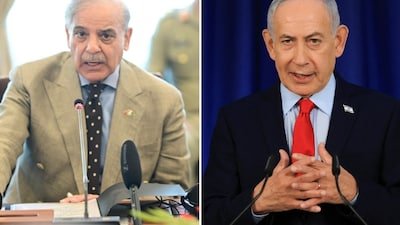
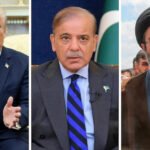
Despite the alarming tone, there were signs of a possible de-escalation. Reports indicate that just hours before the deadline, diplomatic efforts—reportedly involving intermediaries like Pakistan—helped broker a temporary pause in hostilities.
A conditional ceasefire agreement was reached, giving both sides a two-week window to continue negotiations and avoid immediate large-scale escalation.
A Conflict at a Critical Moment
The latest developments come amid an ongoing war that began earlier in 2026, with rising casualties and increasing international concern. The Strait of Hormuz remains a central flashpoint, as disruptions there could affect a significant portion of the world’s oil supply.
Trump described the situation as one of the “most important moments in the long and complex history of the world,” underscoring the high stakes involved.
Global Reactions
World leaders, analysts, and humanitarian organizations have reacted with alarm to both the rhetoric and the risk of escalation. Many have urged restraint and called for renewed diplomatic engagement to prevent further deterioration.
While the immediate threat of large-scale destruction may have eased with the temporary ceasefire, the situation remains volatile. The coming days are expected to be crucial in determining whether negotiations can hold—or whether the conflict will intensify once again.
Conclusion
Trump’s warning that a “whole civilization” could be wiped out has become a defining moment in the current crisis—highlighting both the severity of the conflict and the thin line between diplomacy and catastrophe. As negotiations continue under intense global scrutiny, the world watches closely, aware that the outcome could reshape regional and international dynamics for years to come.