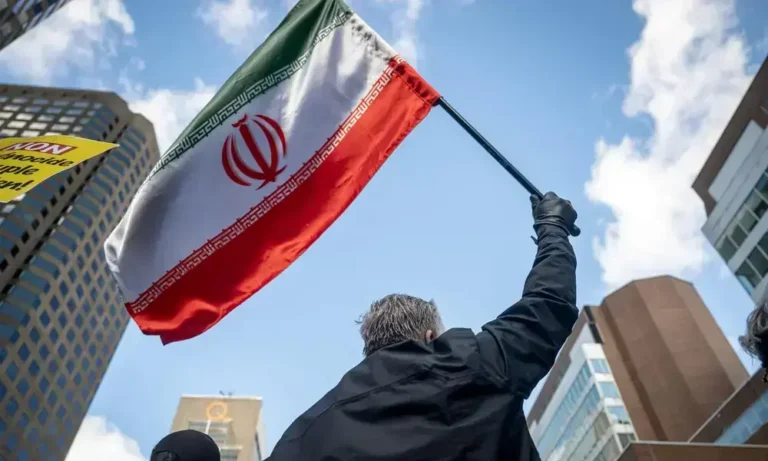







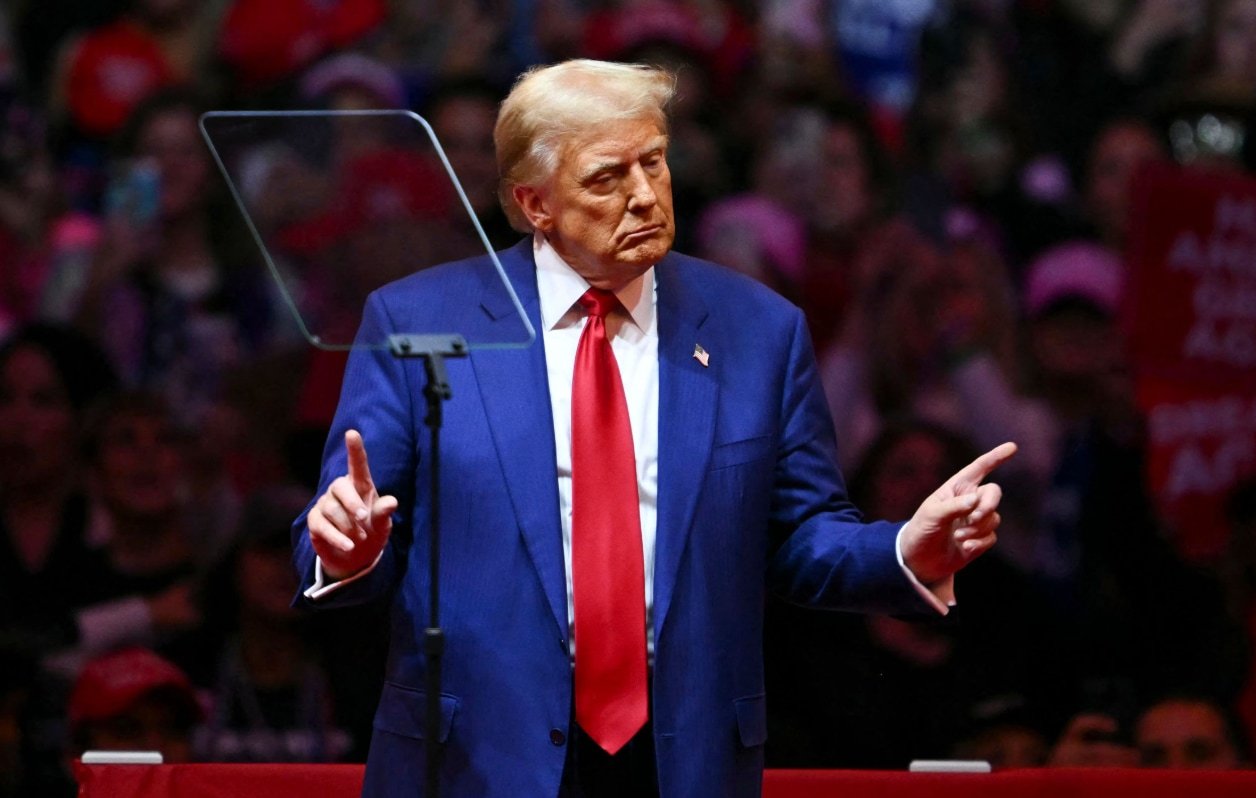
Tensions between the United States and Iran have intensified after former U.S. President Donald Trump reportedly dismissed Tehran’s initial peace proposal, calling it “unserious” and “unacceptable” amid ongoing efforts to negotiate a ceasefire.
According to the White House, Trump and his negotiating team rejected Iran’s 10-point plan outright, with officials describing the proposal as so inadequate that it was “thrown in the garbage.” The blunt response highlights the deep divide between the two sides as they attempt to find common ground in a conflict that has already destabilized much of the Middle East.
Sharp Differences Ahead of Talks
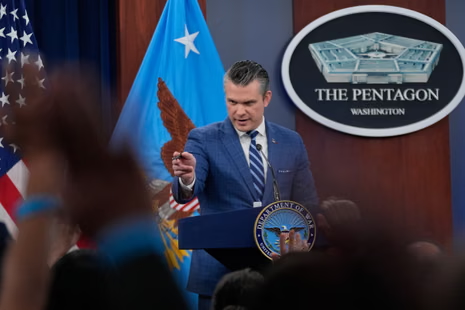
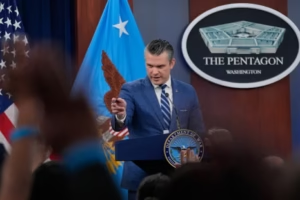
White House Press Secretary Karoline Leavitt confirmed the rejection during a media briefing, emphasizing that the proposal failed to meet U.S. expectations. She also dismissed suggestions that Washington would accept terms dictated by Tehran, calling such an idea “completely absurd.”
Her remarks underscore the fragile state of diplomacy, with both countries entering negotiations with sharply conflicting demands. While Iran has pushed for measures such as sanctions relief and recognition of its nuclear rights, the U.S. has insisted on stricter conditions, particularly around nuclear activity and regional security.
A Moving Target in Negotiations
Interestingly, despite rejecting the initial proposal, U.S. officials संकेत that Iran has since submitted a revised version that may be more workable. Reports suggest that the updated plan removes or modifies some of the more contentious demands, potentially opening the door for further discussions.
Still, the situation remains fluid. Earlier in the week, Trump had indicated that Iran’s proposal could serve as a “basis for negotiation,” only for the White House to later clarify that the original version was unacceptable. This shift reflects the rapidly changing dynamics of high-stakes diplomacy.
Ceasefire Under Pressure
The disagreement comes at a critical moment, as a fragile ceasefire between the U.S., Iran, and regional actors hangs in the balance. The truce, brokered with international mediation, was intended to pause hostilities and create space for negotiations.
However, recent developments — including disputes over the scope of the ceasefire and continued military activity in parts of the region — have raised doubts about its durability.
Iran has accused the U.S. and its allies of violating the spirit of the agreement, while Washington maintains that Tehran’s expectations are unrealistic. These conflicting narratives have only added to the uncertainty surrounding upcoming talks.
High Stakes for Both Sides
The outcome of these negotiations carries significant global implications. The conflict has already impacted oil markets, regional security, and international alliances, with key shipping routes like the Strait of Hormuz remaining a major point of contention.
For the U.S., the priority remains curbing Iran’s nuclear ambitions and ensuring stability in global energy supplies. For Iran, the focus is on sanctions relief, sovereignty, and recognition of its strategic interests.
What Comes Next
With fresh talks expected soon, both sides appear to be recalibrating their positions. While the rejection of Iran’s initial plan signals a hardline stance from Washington, the emergence of a revised proposal suggests that diplomacy is still very much alive.
Whether the two sides can bridge their differences, however, remains uncertain. For now, the rejection of the 10-point plan serves as a stark reminder of how far apart the U.S. and Iran still are — and how fragile the path to peace continues to be.