

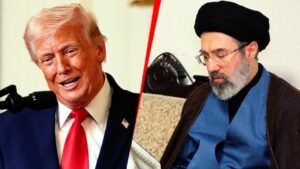
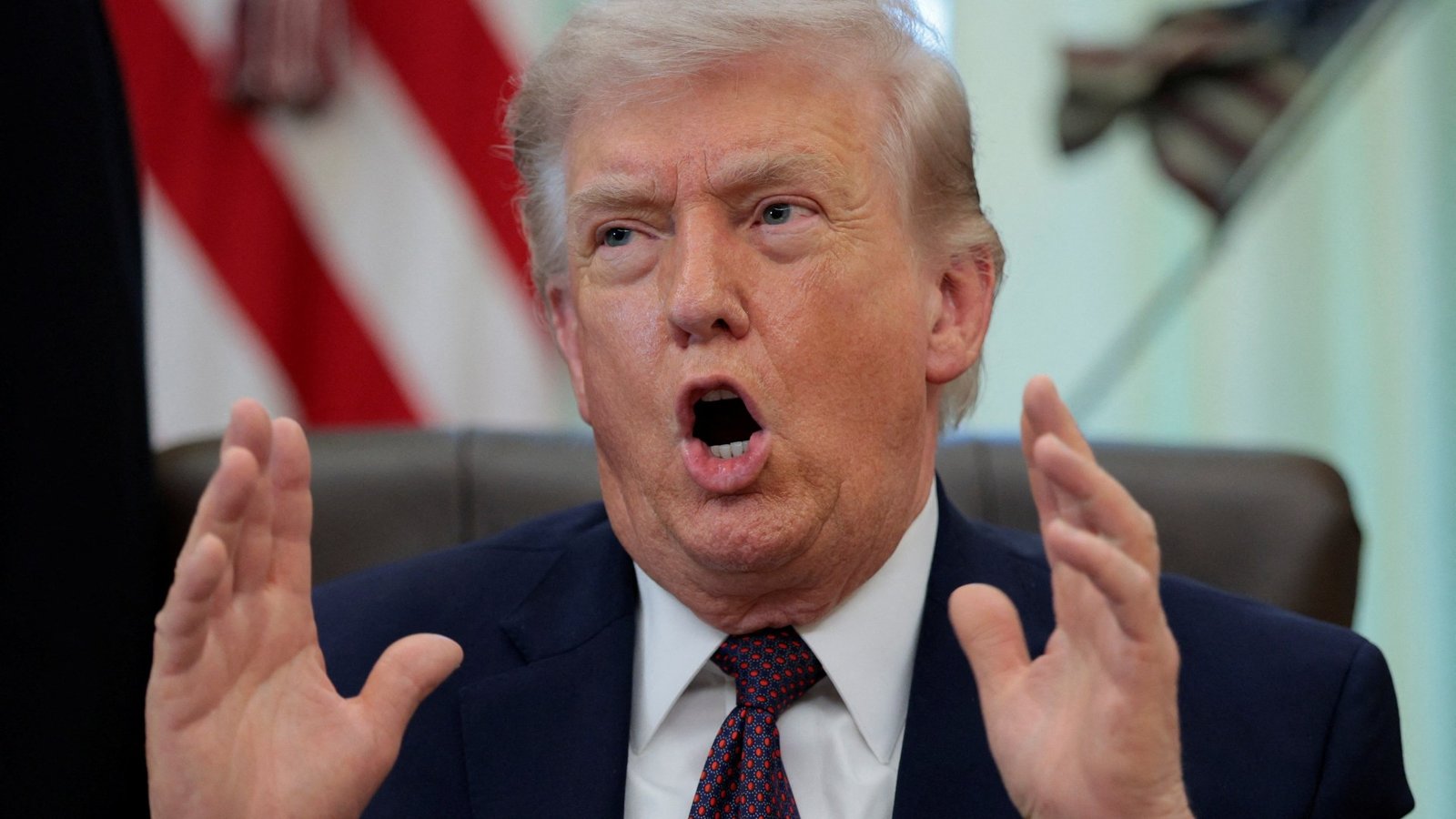
Tensions between the United States and Iran have sharply escalated after U.S. President Donald Trump issued one of his strongest warnings yet—threatening devastating military action if Tehran fails to agree to a deal within days.
In a series of recent statements and media interactions, Trump made it clear that patience is running out. He said that if Iran does not reach a peace agreement with Washington before the deadline—reportedly set for Tuesday—the consequences would be severe.
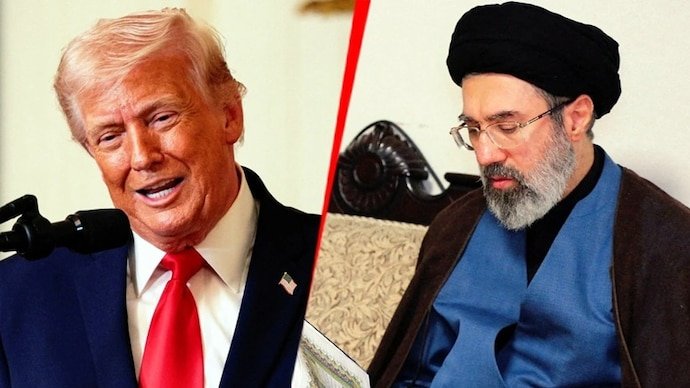
“There is a good chance, but if they don’t make a deal, I am blowing up everything over there,” Trump said, underscoring the gravity of the situation.
A Warning That Raises Global Alarm
Trump’s remarks have sparked widespread concern globally, not only because of their intensity but also due to the potential humanitarian consequences. Reports indicate that the U.S. could target critical Iranian infrastructure, including power plants, bridges, and other civilian facilities.
Experts warn that such actions, if carried out, could amount to violations of international law, as civilian infrastructure is generally protected under the Geneva Conventions.
Despite concerns about civilian casualties, Trump appeared to downplay the risks, suggesting that many Iranians might support such actions if they weaken the current regime.
Strait of Hormuz at the Center of the Crisis
At the heart of the conflict lies the Strait of Hormuz, one of the world’s most critical oil transit chokepoints. The U.S. has demanded that Iran reopen the strait, which has been partially disrupted due to ongoing hostilities.
The closure has already rattled global markets, with oil prices surging and investors growing increasingly nervous about supply disruptions.
Trump’s ultimatum is closely tied to this issue, with the U.S. insisting that failure to restore access will trigger a strong military response.
Iran Responds With Defiance
Iran has reacted sharply to the threat, dismissing Trump’s remarks as reckless and dangerous. Officials in Tehran warned that any attack on their infrastructure would be met with retaliation.
Iranian leaders have even cautioned that escalating the conflict could set the entire Middle East “on fire,” highlighting fears of a wider regional war.
In separate statements, Iranian authorities hinted at a “surprise” response if the U.S. proceeds with military strikes, signaling that Tehran may already be preparing countermeasures.
A Conflict Nearing a Critical Point
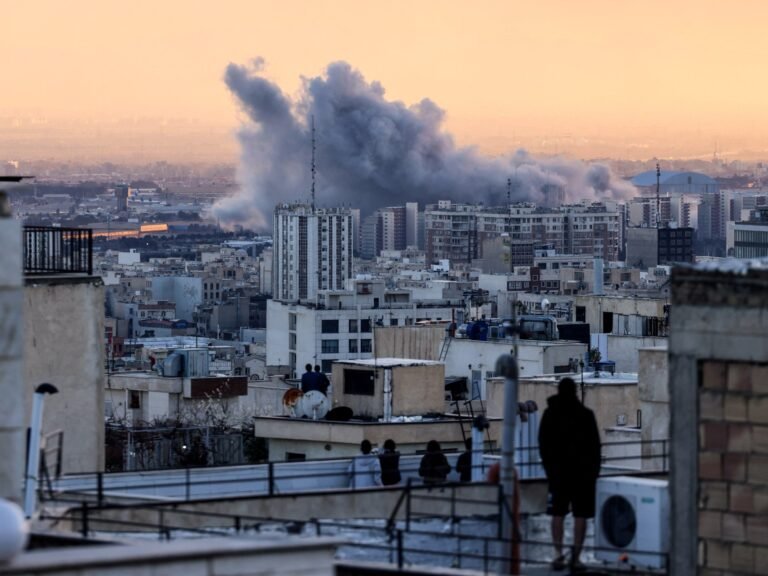
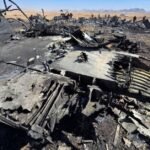
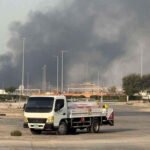
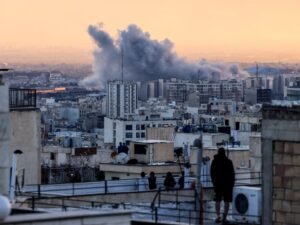
The latest developments come amid an already intense and prolonged conflict involving the U.S., Iran, and regional allies. Military exchanges, including airstrikes and drone attacks, have become increasingly frequent in recent weeks.
Trump has repeatedly emphasized that the U.S. seeks a deal but warned that time is running out. His administration appears to be using a mix of military pressure and diplomatic ultimatums to force Tehran to negotiate.
However, analysts say such aggressive rhetoric could backfire, making diplomacy more difficult and increasing the risk of miscalculation.