
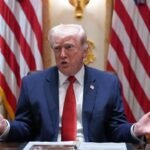




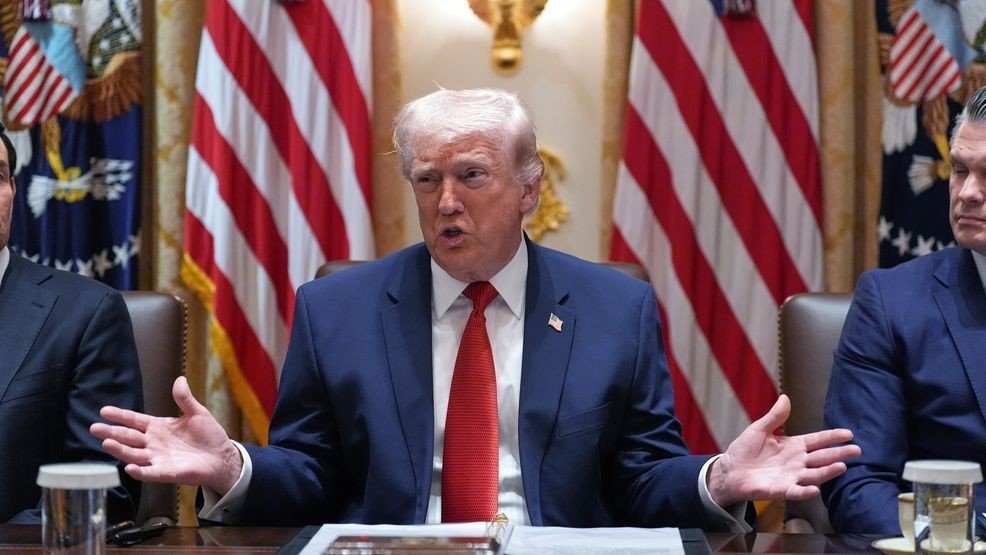
Washington / Tehran — U.S. President Donald Trump has extended a critical deadline for Iran to reopen the strategically vital Strait of Hormuz, temporarily holding off on threatened military strikes against Iranian power infrastructure as diplomatic efforts continue.
The move comes amid escalating tensions in an ongoing conflict that has already disrupted global oil supplies and raised fears of a wider regional war.
A Shift From Immediate Threats to Conditional Restraint
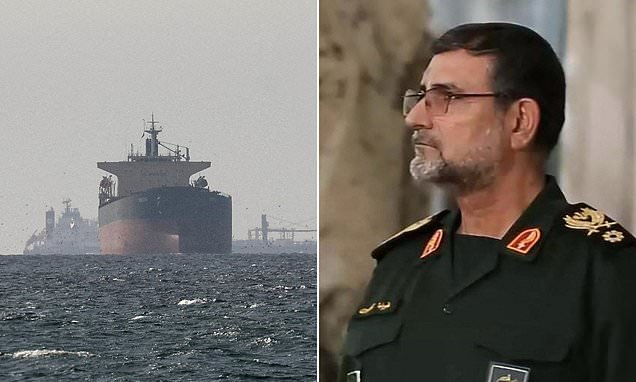
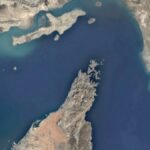
Earlier this week, Trump had issued a stark ultimatum: Iran must reopen the Strait of Hormuz within 48 hours or face U.S. airstrikes targeting its power plants. The waterway is one of the world’s most important oil transit routes, carrying roughly 20% of global supply, making its closure a major economic and geopolitical flashpoint.
However, as negotiations progressed behind the scenes, the U.S. administration opted to delay military action. The deadline has now been pushed back by several days—extended further to early April—giving diplomacy more time to work.
Trump said the decision was based on “very good” progress in talks, signaling cautious optimism that a deal could still be reached without further escalation.
High-Stakes Negotiations Continue
The United States and Iran are currently engaged in indirect negotiations, reportedly facilitated by intermediaries including Pakistan. Washington has proposed a broad peace framework, while Tehran has countered with its own demands, leaving significant gaps between the two sides.
Despite the extension, the threat of military action remains on the table. U.S. officials have made clear that if Iran does not comply with reopening the strait, strikes on energy infrastructure could resume.
At the same time, Trump has emphasized that he is not under pressure to finalize a deal quickly, stating he is prepared to continue military operations if necessary.
Strait of Hormuz at the Center of the Crisis
The Strait of Hormuz has become the focal point of the conflict. Iran restricted access to the passage following earlier U.S. and Israeli strikes, severely disrupting maritime traffic and triggering a surge in global oil prices.
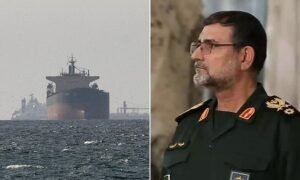
Shipping activity through the strait has dropped sharply, with many vessels avoiding the area due to safety concerns. The disruption has had ripple effects across global energy markets and international trade.
In recent days, Trump claimed that Iran allowed a limited number of oil tankers to pass through the strait as a “goodwill gesture,” though Tehran has disputed that characterization.
Risk of Escalation Still Looms
While the extension of the deadline offers a temporary pause, the situation remains volatile. Both sides have issued strong warnings: Iran has threatened to fully shut down the strait if attacked, while the U.S. has continued limited strikes on selected targets.
Military deployments in the region have also increased, fueling speculation that a broader confrontation could still unfold if talks fail.
The conflict, now weeks old, has already resulted in significant casualties and damage, with concerns growing about its long-term impact on global stability.
A Narrow Window for Diplomacy
For now, the extended deadline represents a narrow window for diplomacy in an otherwise rapidly escalating crisis. Whether it leads to a breakthrough—or simply delays further conflict—remains uncertain.
What is clear is that the Strait of Hormuz, a narrow stretch of water with outsized global importance, has once again become the center of a high-stakes geopolitical standoff.