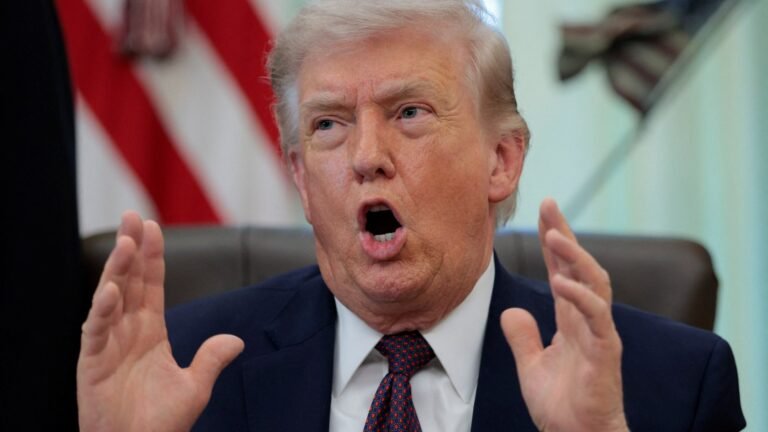

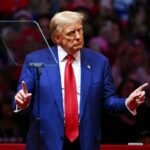


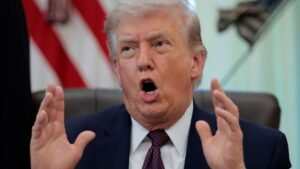

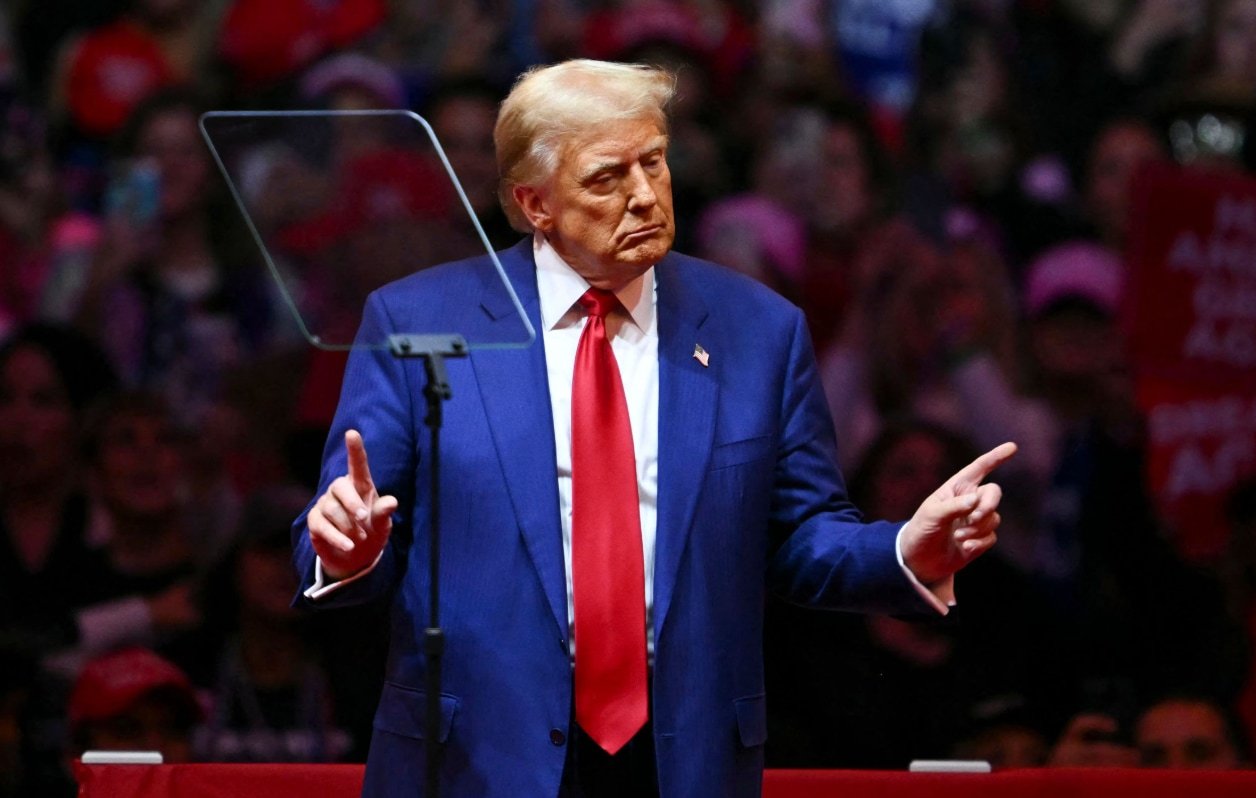
Tensions between the United States and Iran escalated further over the weekend after former U.S. President Donald Trump issued a cryptic and unusually worded message suggesting a possible extension of a key deadline tied to the ongoing conflict.
In a post on his social media platform, Trump hinted that Iran may have been given more time to comply with U.S. demands—particularly regarding the reopening of the strategically vital Strait of Hormuz, a critical global oil shipping route. However, the message stopped short of clearly confirming any formal extension, leaving analysts and global leaders guessing about Washington’s next move.
A Deadline Wrapped in Ambiguity
The original ultimatum required Iran to reopen the Strait or face severe military consequences. But Trump’s latest remarks appeared to blur that timeline, suggesting negotiations might still be ongoing behind the scenes.
While the language of the post was vague, it hinted at a willingness to delay immediate escalation—possibly to allow more room for diplomacy. At the same time, Trump maintained a hardline tone, warning that failure to act could still trigger devastating consequences.
Recent statements from the U.S. administration have included threats of strikes on Iranian infrastructure, including power plants and bridges, if Tehran does not comply.
War and Diplomacy Running in Parallel
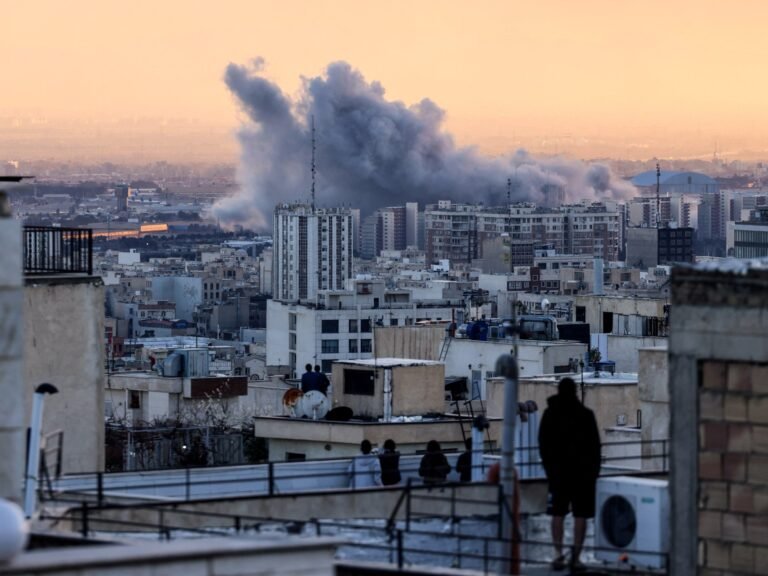
The latest development comes amid a broader military confrontation that has now stretched for weeks. The conflict began with coordinated U.S. and Israeli strikes on Iranian targets and has since evolved into a wider regional crisis.
Iran, for its part, has responded with missile and drone attacks on U.S. interests and its allies in the Gulf. It has also maintained pressure by restricting access through the Strait of Hormuz—through which a significant portion of the world’s oil supply passes.
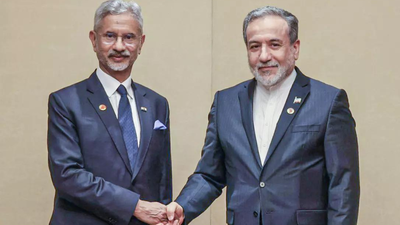
Despite the escalating violence, both sides appear to be keeping diplomatic channels open. Reports indicate that backchannel negotiations—mediated by regional players—are continuing, raising hopes that a temporary ceasefire or broader agreement could still be reached.
Trump himself has repeatedly suggested that a deal is “possible,” even as he simultaneously issues stark warnings of military escalation.
Global Markets and Political Reactions
The uncertainty surrounding Trump’s latest statement has already had ripple effects across global markets. Oil prices have surged amid fears of prolonged disruption in the Strait of Hormuz, while stock markets in countries like India have shown signs of volatility.
Meanwhile, Trump’s rhetoric—often delivered in blunt and sometimes controversial language—has drawn criticism both domestically and internationally. Some political leaders have expressed concern that the unpredictability of U.S. messaging could further destabilize an already fragile situation.
What Comes Next?
For now, the key question remains whether Trump’s “cryptic” message signals a genuine shift toward diplomacy or simply a tactical pause before further escalation.
With no clear confirmation of a revised deadline, the situation remains highly fluid. The coming days will be critical in determining whether the U.S. and Iran move toward negotiations—or deeper conflict.