










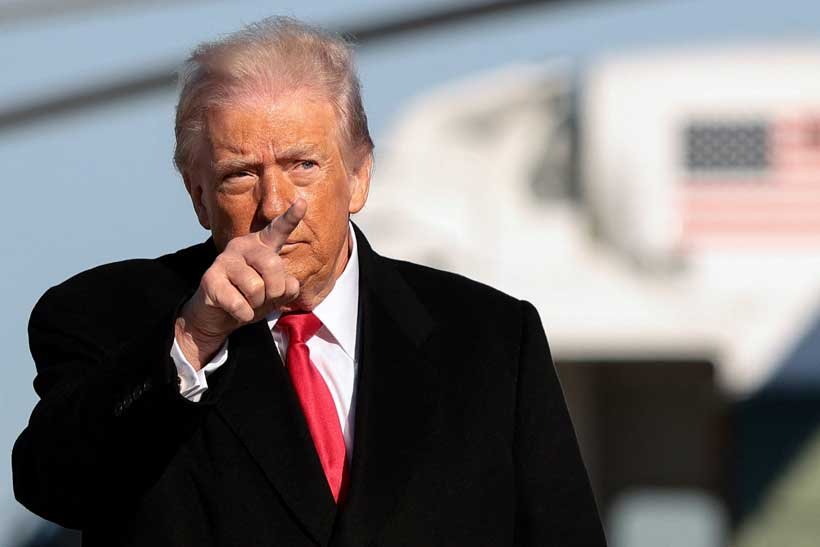
In a dramatic shift that reshapes federal climate policy, U.S. President Donald Trump and officials from the Environmental Protection Agency (EPA) have officially revoked the scientific foundation for decades of greenhouse gas regulation — including vehicle emissions standards that targeted cars and trucks.
The move, announced at a White House event on Thursday, dismantles the so-called “endangerment finding” — a 2009 EPA conclusion that greenhouse gases such as carbon dioxide and methane pose a threat to human health and welfare. That finding had served as the legal basis for nearly all federal climate regulations under the Clean Air Act.
“This marks the single largest deregulatory action in American history,” President Trump declared, framing the decision as relief for American families and industries burdened by what his administration has called costly and overreaching environmental rules. EPA Administrator Lee Zeldin, who joined Trump at the announcement, described the previous climate rule as regulatory overreach that must be overturned.
What’s Changed
By eliminating the endangerment finding, the EPA has effectively ended federal greenhouse gas emissions standards for all vehicles and engines from model years 2012 through 2027 and beyond. These regulations previously required automakers to measure and limit tailpipe emissions, encouraging investment in cleaner technology.
According to the EPA, the rollback will eliminate more than $1.3 trillion in projected regulatory costs for taxpayers and industry — a figure the administration says reflects reduced compliance burdens and increased consumer choice.
Supporters and Critics Clash
Supporters of the move, including some in the fossil fuel and automotive sectors, argue that the regulations were outdated, restrictive, and costly to manufacturers and consumers. But even within industry, reaction has been mixed: some automakers have welcomed the loosening of federal standards, while others have expressed reservations about regulatory uncertainty.
Environmental and public health advocates have denounced the decision as reckless. They warn that removing the legal foundation for climate protections will not only accelerate carbon emissions but also heighten health risks — particularly respiratory and cardiovascular disease linked to air pollution. Many scientists emphasize that climate change remains an urgent global threat, and that this policy reversal undermines years of progress.
Former President Barack Obama weighed in on social media, saying that without the endangerment finding, “we’ll be less safe, less healthy and less able to fight climate change.”
Legal Battles Expected
Legal experts say the repeal is likely to trigger immediate court challenges from environmental groups and several states. They argue the EPA’s reinterpretation of its authority under the Clean Air Act contradicts long-standing scientific evidence and decades of legal precedent, including a pivotal 2007 Supreme Court ruling recognizing the agency’s power to regulate greenhouse gases.
“The administration is effectively inviting prolonged legal battles over whether it can simply erase the foundational science behind climate regulation,” a University of Maryland environmental law professor told reporters.
Broader Implications
The endangerment finding had been the key tool under which the EPA curbed emissions from vehicles, power plants, and industrial sources. Its removal not only clears the way for looser standards on transportation emissions — historically one of the largest contributors to U.S. greenhouse gas output — but could also open the door to further dismantling of pollution regulations across sectors.
For climate advocates, the rollback represents a setback in U.S. efforts to address global warming at a time when extreme weather events and scientific warnings are intensifying. Supporters of the policy argue it will spur economic growth and protect American jobs. The divide highlights the complex balance between environmental stewardship and economic policy in the world’s largest historic emitter of greenhouse gases.