






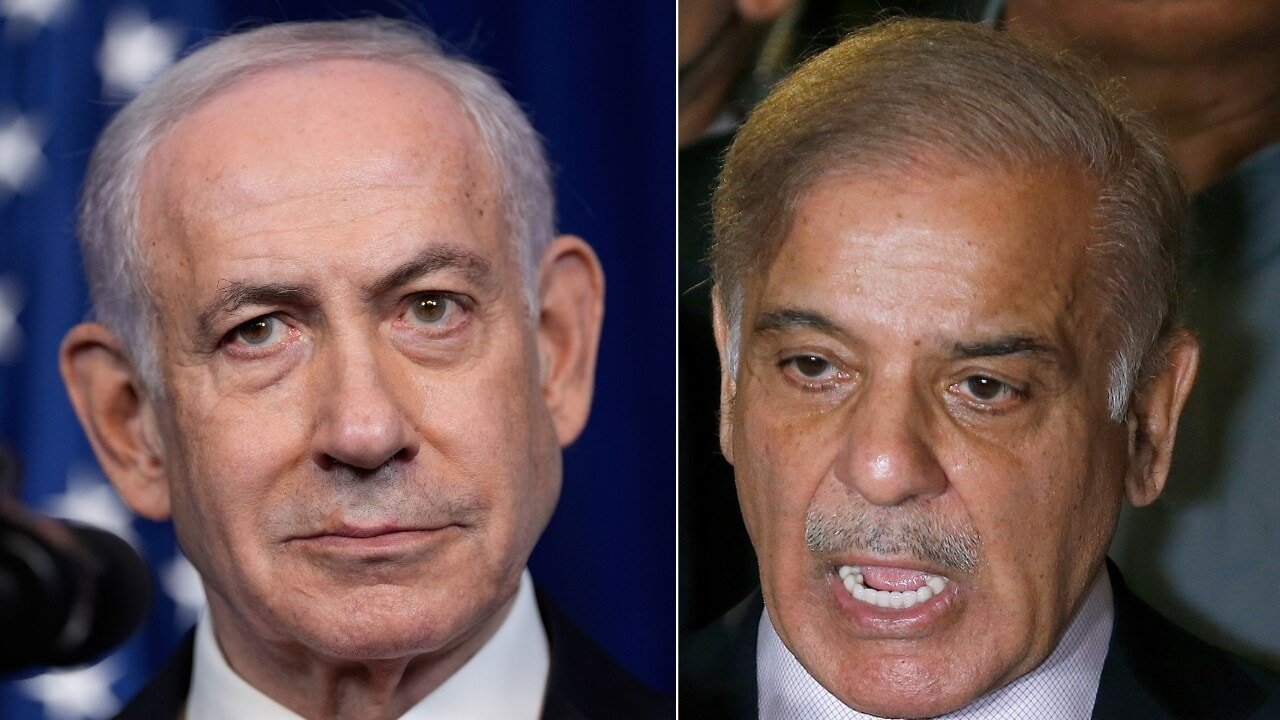
Tensions surrounding the fragile ceasefire between the United States and Iran have taken a new diplomatic turn, with Israel openly questioning Pakistan’s credibility as a mediator in the process.
In a candid statement, Israel’s ambassador to India, Reuven Azar, said that Tel Aviv does not consider Pakistan a “credible player” in the ongoing negotiations. His remarks come at a time when Islamabad has been actively positioning itself as a key intermediary in efforts to de-escalate the conflict.
“We don’t see Pakistan as a credible player,” Azar said in an interview, adding that Washington’s engagement with Islamabad may be driven by its own strategic calculations rather than confidence in Pakistan’s role.
A Ceasefire Under Scrutiny
The comments arrive just days after a two-week ceasefire between the US and Iran was agreed upon, following intense backchannel diplomacy. Pakistan played a central role in facilitating the talks, even proposing a broader peace framework—often referred to as the “Islamabad Accord.”
While several global players have acknowledged Pakistan’s efforts, Israel has remained cautious. Azar emphasized that Israel’s primary objective remains unchanged: countering Iran’s influence and dismantling Hezbollah’s presence, particularly in southern Lebanon.
This divergence highlights a deeper issue—there is no unified interpretation of what the ceasefire actually covers.
Conflicting Interpretations
Pakistan has suggested that the ceasefire could extend across multiple fronts, including Lebanon. However, Israel has firmly rejected this claim, continuing its military operations against Hezbollah despite the truce.
The United States has also clarified that its agreement with Iran does not necessarily bind Israel’s actions in Lebanon, further complicating the situation.
These conflicting positions raise concerns about how long the ceasefire can hold, with analysts warning that ambiguity could quickly lead to renewed escalation.
Why the US Still Engaged Pakistan
Despite Israel’s skepticism, the United States has continued to involve Pakistan in diplomatic efforts. According to Azar, this reflects Washington’s broader strategic approach rather than endorsement of Islamabad’s influence.
Experts suggest the US may see Pakistan as a useful intermediary due to its working relationships with both Iran and Western powers. Pakistan has also been actively engaging multiple stakeholders, including China, to push negotiations forward.
A Fragile Peace
The ceasefire itself remains highly fragile. Even as talks continue, Israel has signaled that it is ready to resume military action if its security objectives are not met.
Meanwhile, diplomatic efforts are ongoing, with international actors—including the United Nations—pushing for a more durable and comprehensive agreement.
For now, the situation remains tense. While Pakistan’s role has been praised in some quarters as a diplomatic breakthrough, Israel’s sharp criticism underscores the deep divisions that still exist among key players.
As negotiations move forward, the success—or failure—of this ceasefire may ultimately depend on whether these competing narratives can be reconciled.