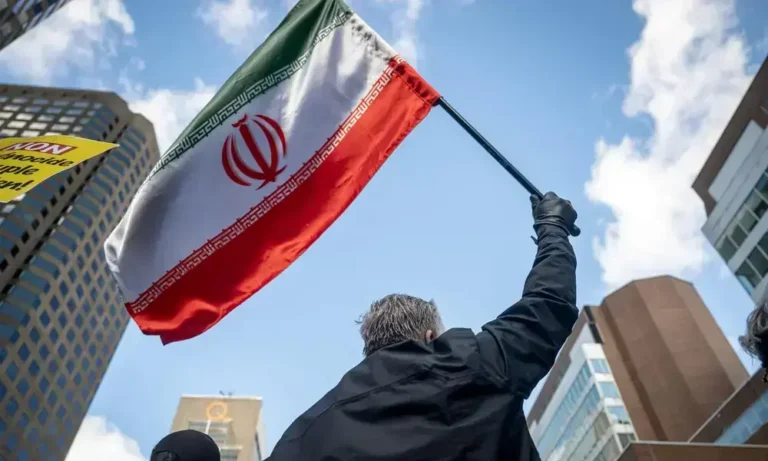





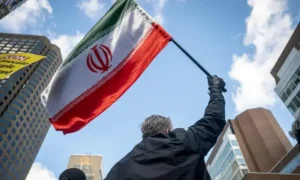

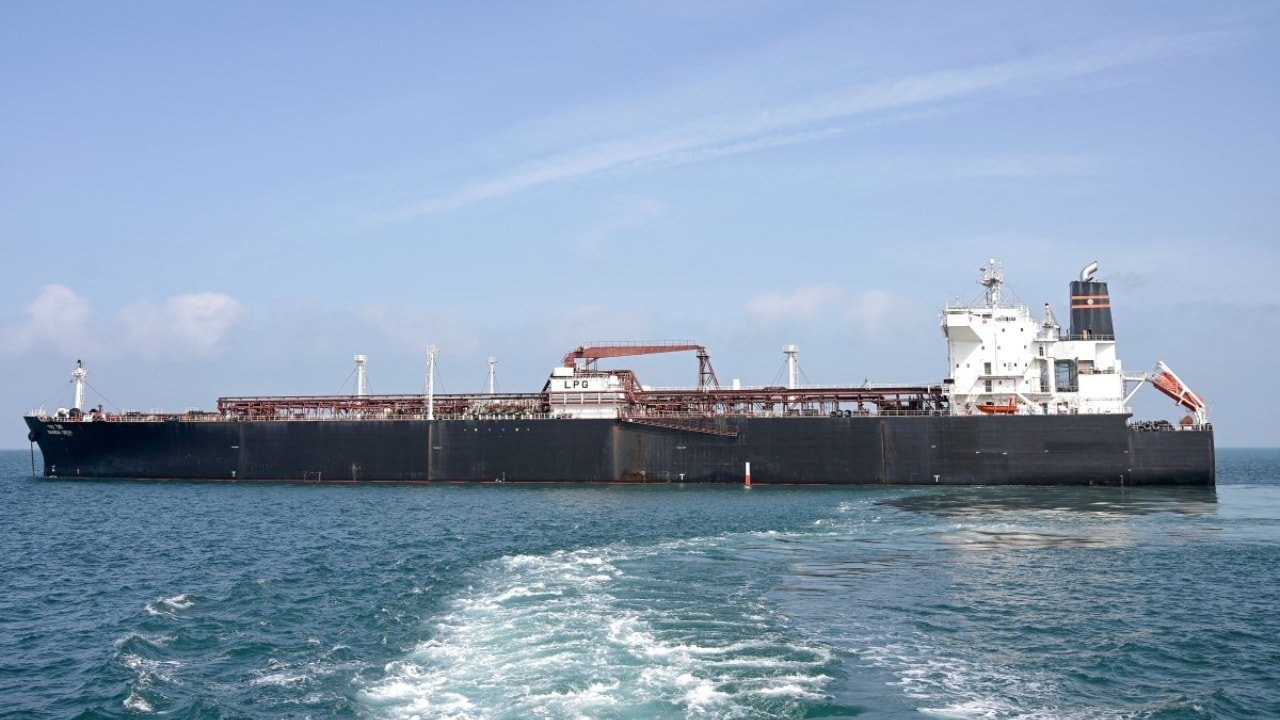
April 9, 2026 — In a move that could reshape global energy trade, Iran is planning to charge oil tankers a $1-per-barrel transit fee, payable in cryptocurrency, for passing through the strategically crucial Strait of Hormuz.
The proposal, first reported by the Financial Times and echoed by multiple global outlets, comes at a time of fragile calm following a temporary ceasefire between Iran and the United States. Tehran appears to be leveraging its control over one of the world’s busiest oil corridors to assert both economic and geopolitical influence.
A New Kind of Toll System
Under the proposed mechanism, shipping companies would be required to submit cargo details to Iranian authorities before entering the strait. Once reviewed, a fee—calculated at $1 per barrel of oil—would be imposed and must be paid in digital currencies such as Bitcoin.
Officials say the payment window would be extremely short, ensuring transactions cannot be tracked or blocked under international sanctions.
Iranian authorities have indicated that empty vessels may be exempt, but all loaded tankers would be subject to the fee and inspection process.
Strategic Pressure Point
The Strait of Hormuz is one of the most vital chokepoints in global trade, handling roughly 20% of the world’s oil shipments. Any disruption or added cost in this narrow waterway has immediate ripple effects across international markets.
Since late February, the region has been at the center of escalating tensions following military strikes involving Iran, the United States, and Israel. Shipping traffic has dropped sharply during the conflict, with many vessels stranded or rerouted.
Even after a temporary ceasefire, uncertainty continues to loom. Iran’s latest move suggests it intends to maintain tight control over maritime traffic, rather than returning to pre-conflict norms.
Crypto Payments Raise Eyebrows
What makes the proposal particularly unusual is the mandatory use of cryptocurrency. Analysts believe this could help Iran bypass international financial restrictions while also challenging the dominance of the US dollar in global oil trade.
Experts warn, however, that large-scale crypto transactions for oil shipments remain relatively untested and could introduce new risks, including price volatility and liquidity constraints.
Global Concerns Mount
The plan has sparked concern among shipping companies, oil traders, and governments worldwide. Critics argue that imposing tolls on an international waterway could set a dangerous precedent and undermine the principle of free navigation.
Recent reports suggest that the total cost for large tankers could run into millions of dollars per voyage, depending on cargo size—potentially driving up global oil prices.
World leaders have also raised objections. Some warn that allowing such fees could encourage similar actions in other strategic maritime routes, disrupting global trade norms.
What Comes Next?
While the toll system has not yet been fully implemented, it is expected to be a key issue in upcoming diplomatic talks. With energy markets already on edge, the international community is closely watching whether Iran follows through on its plan—or uses it as leverage in negotiations.
For now, the Strait of Hormuz remains open under tight scrutiny, but the rules governing one of the world’s most important shipping lanes may be on the verge of a significant shift.