
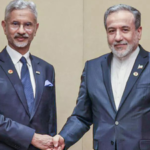



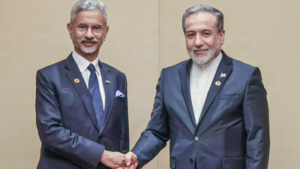
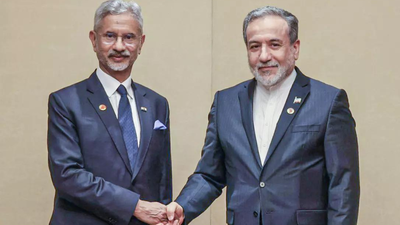
New Delhi, April 6, 2026 — As tensions in West Asia continue to escalate, India has intensified its diplomatic outreach, with External Affairs Minister S. Jaishankar holding a crucial phone conversation with his Iranian counterpart Abbas Araghchi.
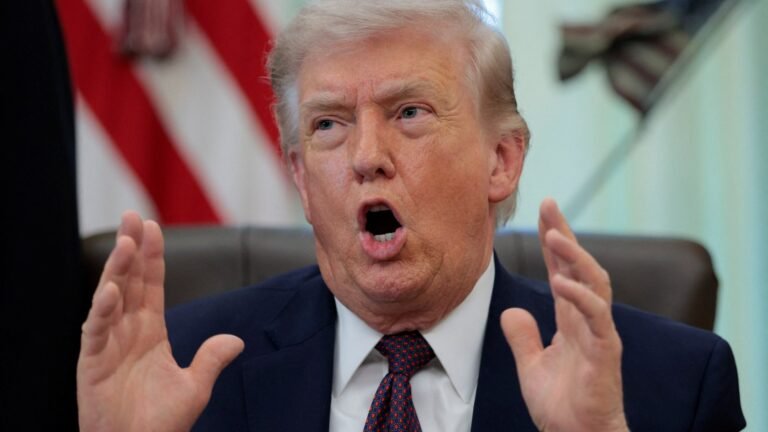
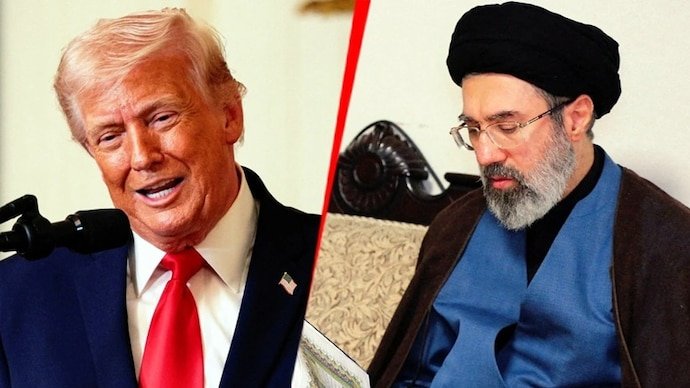
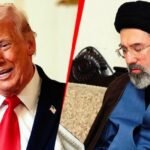
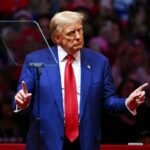
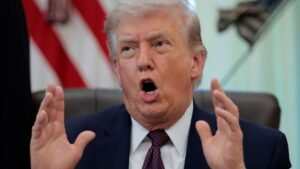
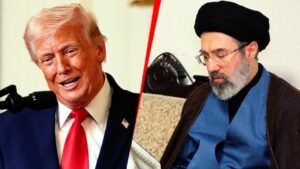
The call comes at a particularly sensitive moment, as former U.S. President Donald Trump has issued a stark 48-hour ultimatum to Iran, warning of severe military consequences if Tehran fails to comply with demands related to the reopening of the strategically vital Strait of Hormuz.
A Timely Conversation Amid Crisis
According to officials, the conversation between Jaishankar and Araghchi focused on the rapidly evolving situation in the Middle East. While the exact details of the discussion were not made public, the timing underscores the urgency of the situation and India’s concern over regional stability.
This is not the first such exchange between the two leaders in recent weeks. India has been actively engaging with multiple countries in the region as the conflict intensifies, highlighting its role as a key diplomatic player seeking to balance relationships while safeguarding its own interests.
The Trigger: Trump’s Ultimatum
The backdrop to this diplomatic exchange is the increasingly aggressive stance taken by Washington. Trump has warned that Iran could face sweeping strikes on its infrastructure if it does not reopen the Strait of Hormuz — a crucial global oil transit route — within a strict deadline.
The ultimatum has significantly heightened fears of a broader conflict, with Iran rejecting the demand and signaling that it would retaliate if attacked.
Why the Strait of Hormuz Matters
The Strait of Hormuz is one of the world’s most important energy corridors, through which a significant portion of global oil and gas supplies pass. Any disruption here has immediate global consequences, including rising fuel prices and supply chain instability.
India, as a major energy importer, has a direct stake in ensuring that this route remains open and secure. This explains New Delhi’s proactive diplomatic outreach not just to Iran, but also to other Gulf nations in recent days.
India’s Strategic Balancing Act
India’s approach reflects a careful balancing act. On one hand, it maintains strong ties with the United States; on the other, it has longstanding economic and strategic relations with Iran.
By engaging directly with Iranian leadership, India appears to be positioning itself as a stabilizing voice, advocating dialogue over escalation. Analysts say such diplomatic efforts are crucial at a time when rhetoric and military posturing are rapidly intensifying.
A Region on Edge
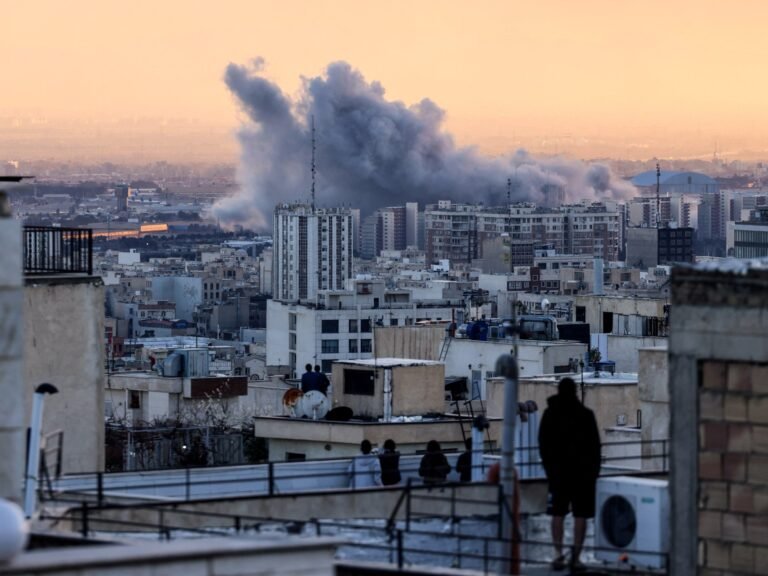
The broader Middle East remains volatile, with ongoing military activity, rising civilian casualties, and increasing threats to critical infrastructure. Trump’s warning has only added to the uncertainty, with global markets and governments closely monitoring developments.
For India, the stakes are high—not just in terms of energy security, but also the safety of its citizens in the region and the stability of global trade routes.
What Comes Next?
While diplomacy continues behind the scenes, the coming days are expected to be critical. Whether tensions escalate into direct confrontation or ease through negotiation will likely depend on how both Washington and Tehran respond to the current crisis.
For now, India’s outreach signals a clear message: in a time of rising conflict, communication remains key.