










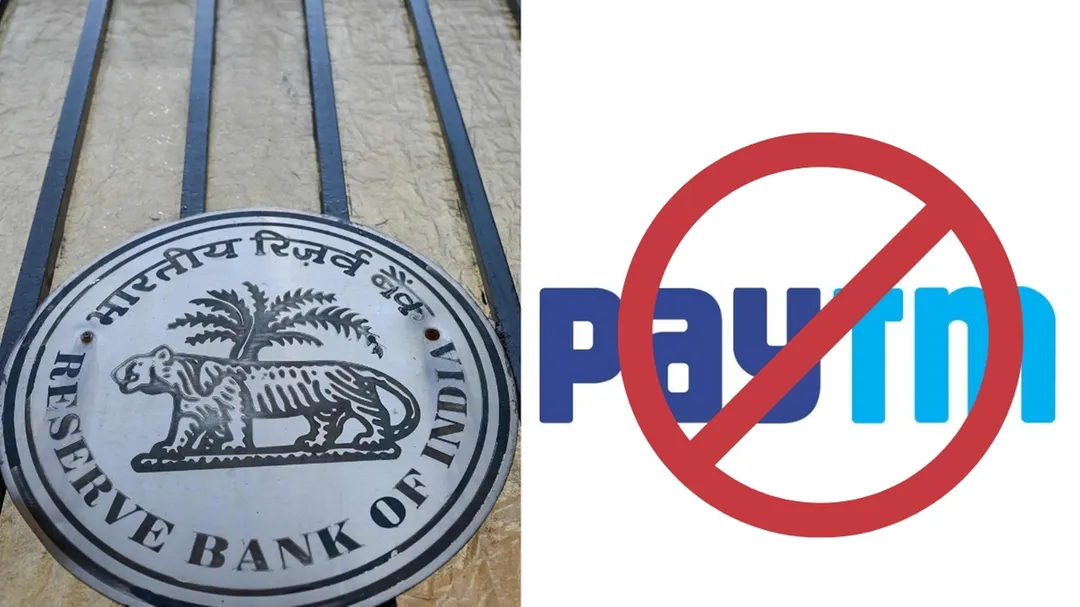
In a decisive regulatory move, the Reserve Bank of India (RBI) has cancelled the banking licence of Paytm Payments Bank, effectively bringing an end to the bank’s operations after years of compliance concerns and restrictions.
The central bank announced that the licence revocation took effect from the close of business on April 24, 2026. With this action, Paytm Payments Bank is no longer permitted to carry out any form of banking activity, marking one of the strongest enforcement steps taken against a fintech-backed banking entity in India.
Why RBI Took This Step
The RBI’s decision follows a long period of regulatory scrutiny dating back several years. Authorities found repeated violations related to customer due diligence, governance standards, and compliance with banking norms.
According to the regulator, the bank’s operations were conducted in a manner “detrimental to the interest of depositors and the public,” raising serious concerns about its management practices.
One of the key issues highlighted was lapses in Know Your Customer (KYC) procedures, including irregularities in how accounts were verified and monitored. Investigations also pointed to weaknesses in the bank’s technology systems and oversight mechanisms.
From Restrictions to Cancellation
This final action did not come suddenly. The RBI had already imposed strict restrictions on Paytm Payments Bank in early 2024, including a ban on accepting new deposits and onboarding customers.
Since then, the bank had been operating in a limited capacity, mainly allowing withdrawals and minimal services. The latest decision effectively ends even that reduced scope of operations and signals that the regulator no longer sees a path for revival.
What Happens Next
Following the cancellation, the RBI will approach the High Court to initiate winding-up proceedings, a legal process through which the bank will formally shut down.
Customers’ funds, however, are expected to remain protected. The regulator has indicated that the bank has sufficient liquidity to repay its depositors as operations are gradually closed.
Impact on Paytm
The development is a major setback for the broader Paytm ecosystem, which had relied on the payments bank for wallet services, FASTag operations, and merchant settlements.
However, Paytm’s parent company, One 97 Communications, has clarified that the cancellation will not materially impact its core business, as the payments bank operates as a separate entity.
Going forward, Paytm is expected to deepen partnerships with other banks to continue offering payment and financial services to its users.
Bigger Picture
The RBI’s action sends a strong signal to India’s fast-growing fintech sector: regulatory compliance is non-negotiable.
While payments banks were introduced to expand financial inclusion, they remain subject to strict oversight. The cancellation underscores the central bank’s willingness to take tough measures when institutions fail to meet required standards.