
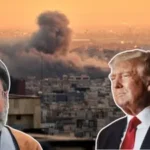

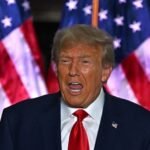

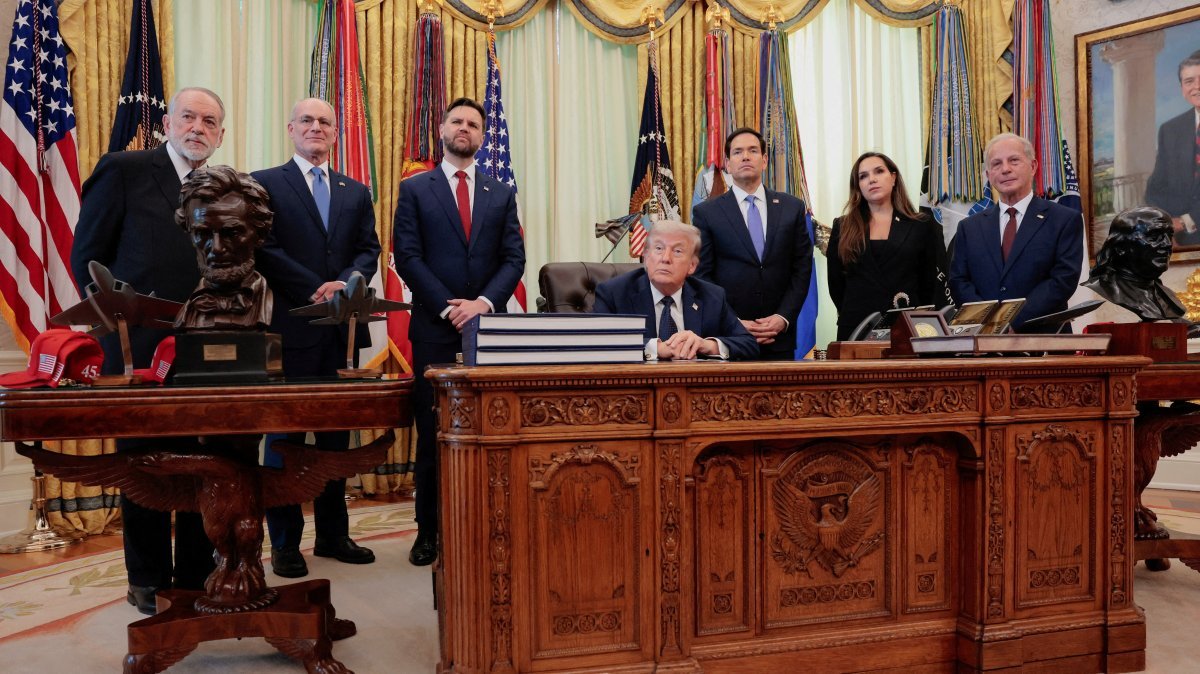
In a renewed diplomatic push to ease tensions in the Middle East, U.S. President Donald Trump has announced a three-week extension of the fragile ceasefire between Israel and Lebanon, aimed at halting ongoing hostilities involving Hezbollah. The extension follows high-level talks held at the White House, where officials from both nations engaged in rare direct negotiations.
The original ceasefire, which began on April 16 as a 10-day truce, was brokered by the United States to curb escalating violence along the Israel–Lebanon border. The agreement marked the first significant diplomatic engagement between the two sides in decades and was intended to create space for broader peace negotiations.
Diplomatic Breakthrough, but Fragile Ground Reality
Announcing the extension, Trump described the discussions as productive and expressed optimism about achieving a longer-term peace agreement. The talks included senior U.S. officials as well as Israeli and Lebanese representatives, with further meetings expected in the coming weeks.
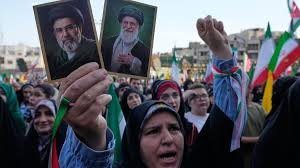
However, the ceasefire remains precarious. Hezbollah—an Iran-backed militant group and a central actor in the conflict—was not part of the negotiations and has rejected the agreement. The group has continued to criticize the truce, insisting on its right to resist Israeli military presence in southern Lebanon.
Continued Violence Despite Truce
Despite the formal extension, clashes have not fully subsided. Reports indicate ongoing Israeli airstrikes and Hezbollah operations, including rocket launches and drone attacks. In some instances, casualties have been reported on both sides, underscoring the fragile nature of the ceasefire.
The United Nations has raised concerns that actions by both Israel and Hezbollah during the conflict may violate international humanitarian law, particularly in relation to civilian casualties and damage to infrastructure.
Humanitarian and Regional Impact
The conflict, which intensified in early March, has already resulted in significant human and material losses. Thousands have been killed in Lebanon, and over a million people have been displaced, creating a deepening humanitarian crisis.
The situation is further complicated by broader regional tensions, particularly involving Iran, which backs Hezbollah. Analysts suggest that any lasting peace between Israel and Lebanon may depend heavily on parallel diplomatic efforts involving Tehran and Washington.
Path Ahead
While the ceasefire extension offers a temporary pause in large-scale hostilities, experts warn that without the inclusion of key actors like Hezbollah and concrete steps toward political resolution, the agreement may struggle to hold.
For now, the international community is watching closely as negotiations continue, hoping that the extended truce can serve as a stepping stone toward a more durable peace in one of the world’s most volatile regions.