









The dramatic drop underscores the growing impact of the ongoing conflict between the United States and Iran, despite an uneasy ceasefire that has technically kept the strategic waterway open.
Traffic collapses amid rising tensions
Between April 23 and April 24, only five ships—including an Iranian oil products tanker—transited the Strait of Hormuz. Before the conflict erupted earlier this year, the narrow passage typically handled around 140 vessels a day.
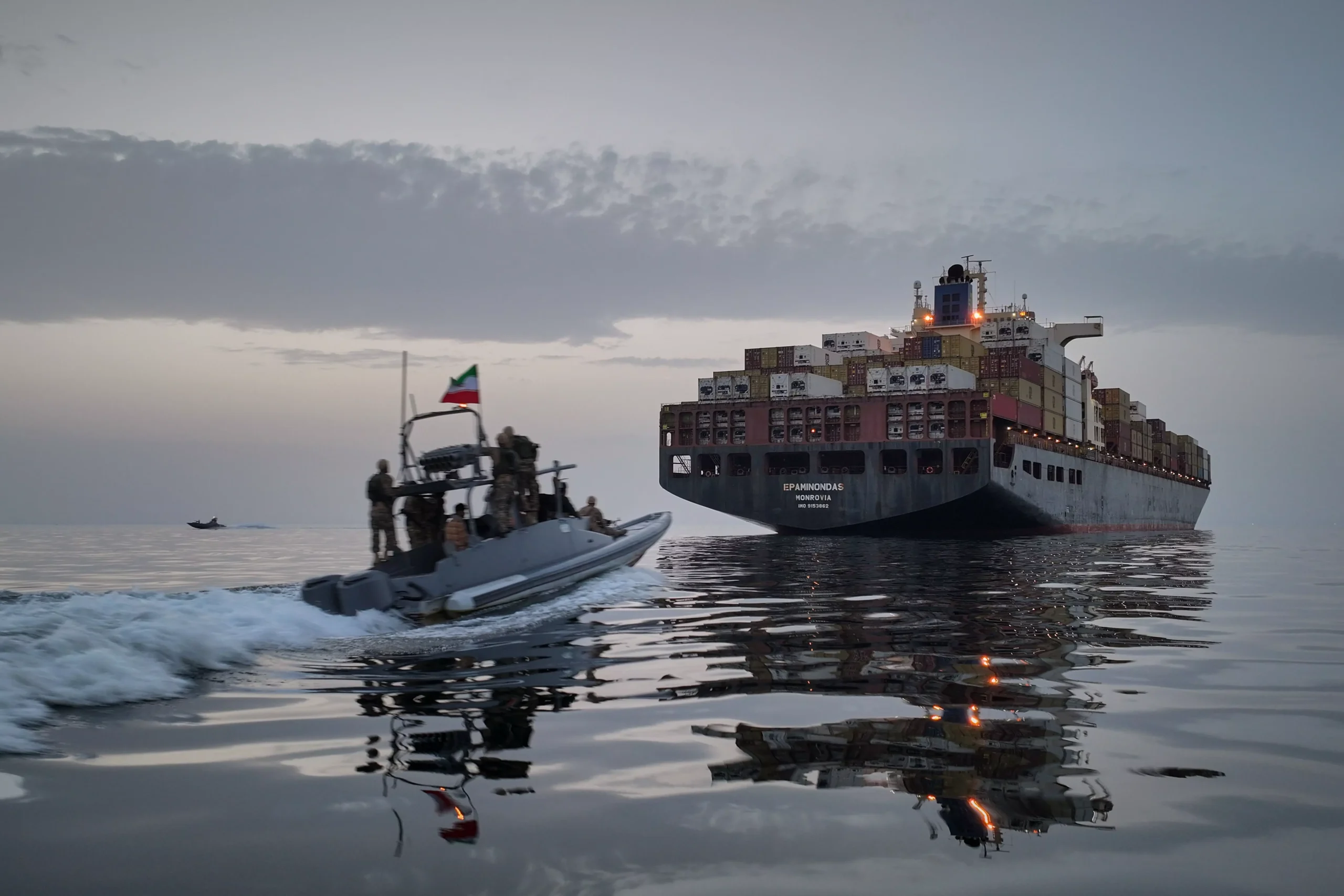
The sharp decline follows a series of escalating incidents at sea. Iran recently seized two container ships, while the United States has maintained a naval blockade targeting Iranian ports. These actions have left shipping companies wary of sending vessels through the region, even with a ceasefire in place.
Security concerns remain high, with reports of Iranian fast-boat activity, mines, and the threat of further confrontations deterring commercial traffic.
A vital artery under strain
The Strait of Hormuz, located at the entrance to the Persian Gulf, is one of the world’s most important energy corridors, responsible for transporting roughly one-fifth of global oil and liquefied natural gas supplies.
With shipping activity severely restricted, the disruption is rippling across global markets. Hundreds of vessels have reportedly been stranded in or around the Gulf, while thousands of seafarers remain stuck at sea or in ports, facing uncertain conditions.
Shipping companies hold back
Industry experts say normal traffic is unlikely to resume anytime soon. Shipping firms are demanding clear security guarantees before re-entering the route in significant numbers.
“Most companies need a stable ceasefire and assurances that the strait is safe,” a maritime security official told Reuters, highlighting the cautious stance adopted across the industry.
In the meantime, some vessels are attempting to navigate alternative coastal routes near Iran and Oman. However, these narrower paths cannot handle the volume of traffic that usually flows through the strait, further compounding delays.
Global economic implications
The slowdown has already contributed to volatility in oil prices and heightened uncertainty in global financial markets. Investors are closely watching developments in the region, as prolonged disruption could strain energy supplies and drive costs higher worldwide.
At the same time, diplomatic efforts to ease tensions appear stalled. Nearly two months into the conflict, there are few signs of meaningful progress toward a lasting resolution.
Uncertain path ahead
Despite the waterway remaining technically open, the Strait of Hormuz is effectively operating at a fraction of its capacity. Analysts warn that until both sides provide credible security guarantees—and reduce military activity in the area—shipping traffic is likely to remain severely limited.
For now, the situation highlights how quickly geopolitical tensions can disrupt a vital global trade route, with consequences felt far beyond the Middle East.