





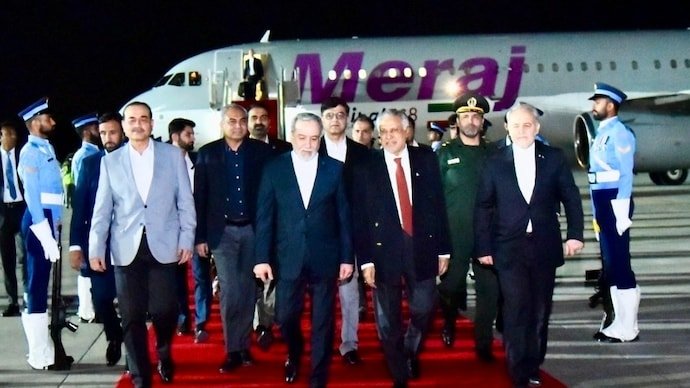
Iran’s Foreign Minister Abbas Araghchi arrived in Pakistan’s capital on Friday, marking a critical moment in ongoing diplomatic efforts surrounding tensions between Tehran and Washington. The visit comes amid renewed international focus on whether a second round of talks between Iran and the United States can be revived after earlier negotiations failed to produce a breakthrough.
Araghchi is leading a high-level Iranian delegation for meetings with Pakistani leadership, including Prime Minister Shehbaz Sharif, as Islamabad continues to position itself as a key mediator in the conflict. His visit follows intense diplomatic activity and growing speculation that indirect or direct engagement between Iran and the U.S. could resume on Pakistani soil.
No Direct Talks — For Now
Despite expectations, Iran has made it clear that no direct talks with the United States are currently scheduled during this visit. Officials in Tehran emphasized that any communication with Washington would be conducted indirectly through Pakistan’s mediation.
This stance contrasts with signals from Washington, where officials have indicated a willingness to re-engage diplomatically. U.S. envoys, including senior figures, are reportedly preparing to travel to Pakistan, raising hopes that dialogue could still take place in some form.
Background: Failed First Round
The latest developments come just weeks after high-stakes negotiations in Islamabad on April 11–12, which marked the most significant direct engagement between the two countries in decades. Those talks, aimed at stabilizing a fragile ceasefire and addressing key disputes such as Iran’s nuclear program and control over the Strait of Hormuz, ended without an agreement.
The failure of that round has left both sides cautious, with lingering mistrust and unresolved geopolitical tensions continuing to complicate diplomatic efforts.
Pakistan’s Central Role
Pakistan has emerged as an unlikely but crucial intermediary, facilitating communication between the two adversaries. Officials in Islamabad have expressed cautious optimism, highlighting ongoing backchannel contacts and their commitment to reducing regional tensions.
However, the diplomatic push has also brought disruptions at home. Parts of Islamabad have faced repeated security lockdowns in anticipation of high-level visits and possible negotiations, affecting daily life and local businesses.
What Comes Next
While Araghchi’s visit does not guarantee immediate progress, it underscores that diplomatic channels remain open. Analysts suggest that even indirect talks could pave the way for a more structured negotiation process in the coming weeks.
The Iranian delegation is expected to continue its regional tour after Pakistan, with planned visits to other countries involved in mediation efforts. Meanwhile, global attention remains fixed on whether these fragile diplomatic steps can evolve into meaningful negotiations — or whether tensions will escalate once again.