



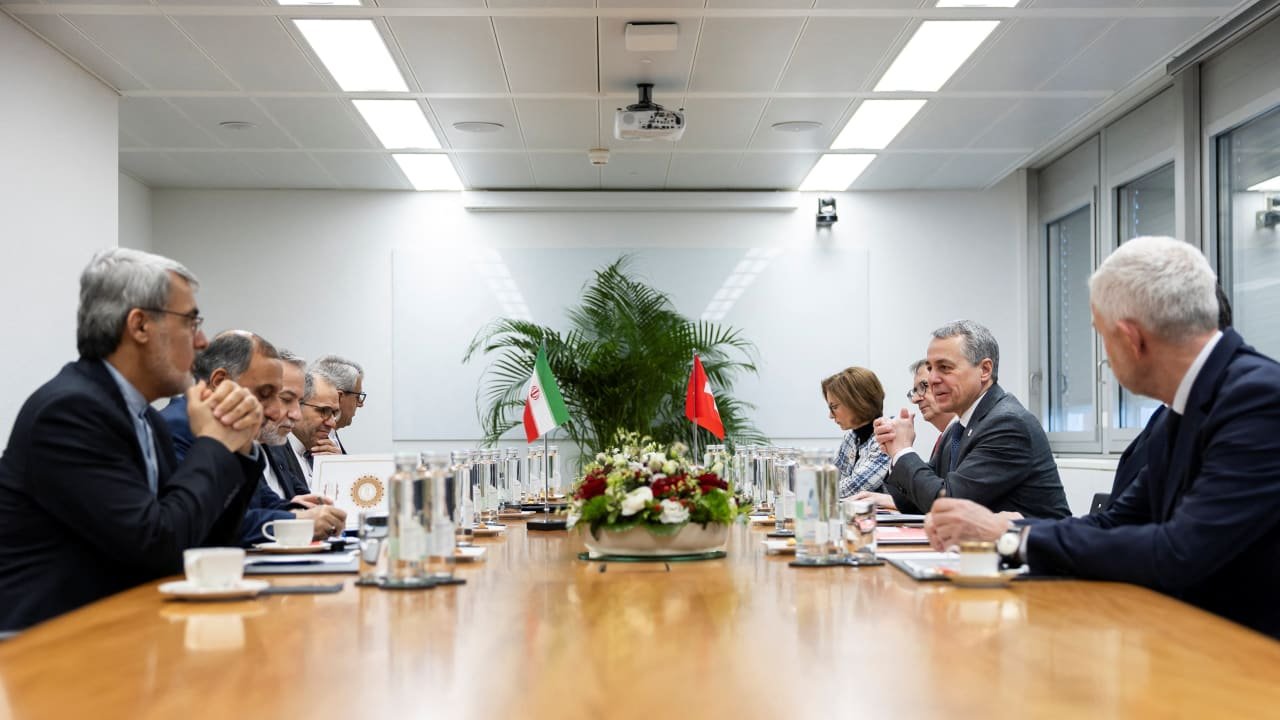
Geneva, Switzerland — Nuclear negotiations between the United States and Iran wrapped up another round of talks this week with contrasting public statements from each side, highlighting both cautious optimism and persistent divisions.
In remarks after the discussions in Geneva, U.S. Vice President JD Vance said Iran still hasn’t acknowledged some of the “red lines” set by President Donald Trump for any diplomatic resolution to the long-running dispute over Tehran’s nuclear program. Vance described the talks as “productive in some ways” but emphasized that key U.S. demands have yet to be fully embraced by Iranian negotiators.
“We agreed to continue talks, and there were positive elements,” Vance told U.S. media. “But it’s also clear that the president has established certain non-negotiable points that the Iranians are not yet prepared to recognise or work through.”
Iran’s Response: Guiding Principles, Not a Final Deal
Iranian officials offered a different framing of the outcome. Foreign Minister Abbas Araghchi said Tehran and Washington have reached an understanding on broad “guiding principles” that can serve as the basis for future negotiations. While stopping short of calling it a formal agreement, Araghchi described the talks as more constructive than previous rounds and suggested that both sides would now begin drafting text toward a potential deal.
“Iran and the United States ultimately found shared ground on a set of guiding principles, and we will use those to move forward,” he told state media after the session. Still, he cautioned that narrowing the remaining differences “will take time.”
Diplomacy Amid Heightened Tensions
The Geneva talks, held under the mediation of Oman, are the latest effort to prevent a broader escalation over Iran’s nuclear ambitions—an issue that has strained relations between Tehran and Washington for decades. Officials from both sides say they hope continued diplomacy can avert a military confrontation, even as tensions persist in the wider Middle East.
The talks come against a backdrop of heightened regional instability. Iran has staged military exercises and warned it could disrupt traffic through the Strait of Hormuz, a strategic waterway through which a significant share of the world’s oil supply transits. Meanwhile, the U.S. has maintained a naval presence in the region and reiterated that diplomacy will remain the preferred path—so long as Tehran shows willingness to meet key U.S. conditions.
What Comes Next
While both parties agreed to reconvene, neither side has indicated that a final agreement is imminent. Iranian officials say the next step will involve exchanging draft texts that reflect the guiding principles discussed in Geneva. U.S. officials have signaled they expect more detailed proposals from Iran in the coming weeks.
For now, the negotiations illustrate a delicate balance: tentative progress shaped by mutual caution, unresolved policy differences, and the deep mistrust that has long defined U.S.–Iran relations.