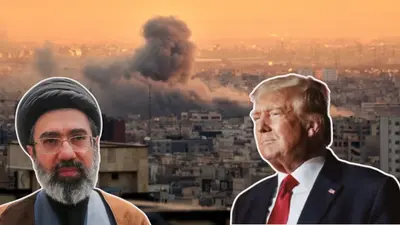

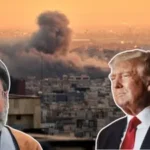



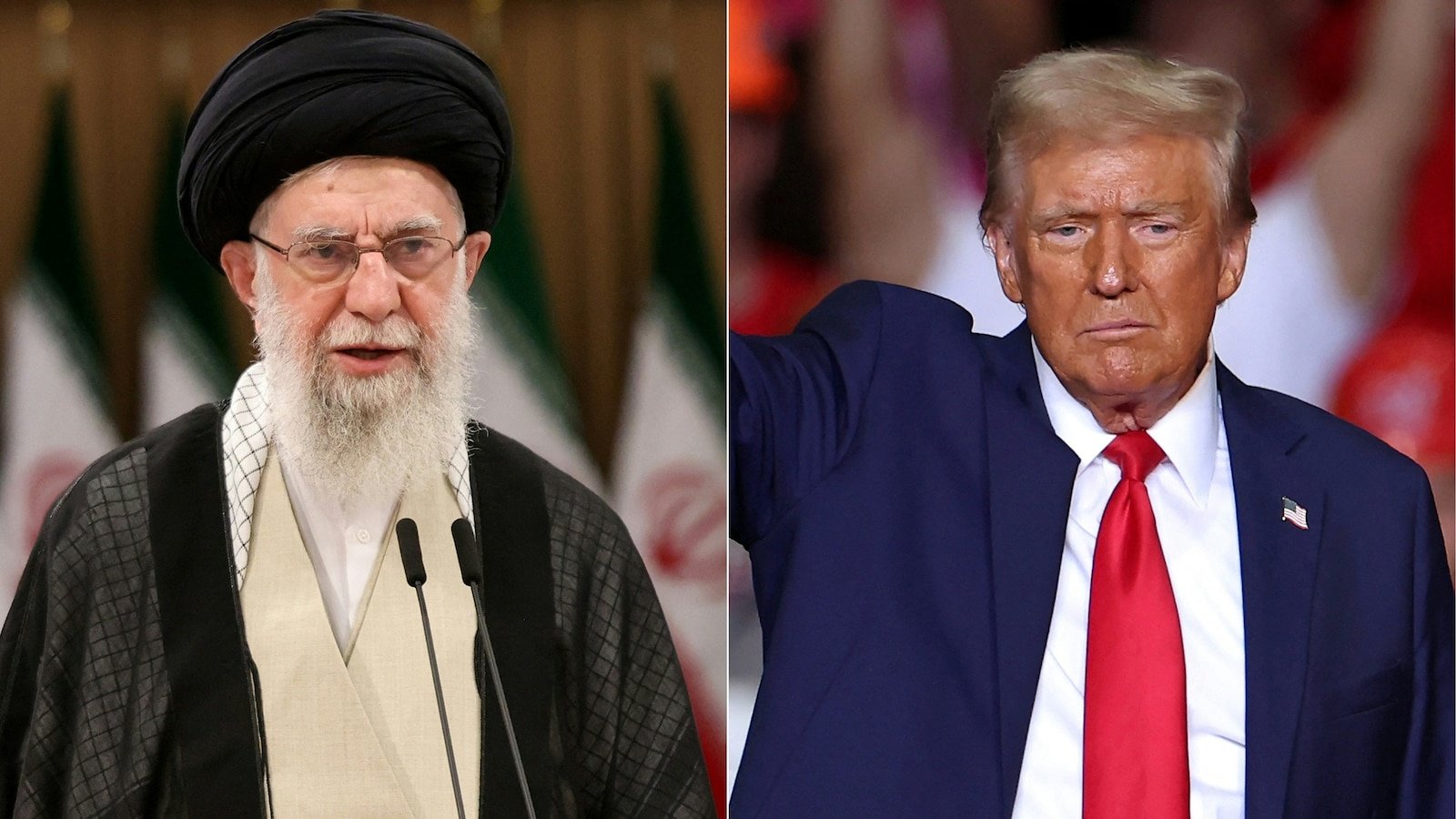
U.S. President Donald Trump has delivered a sharp warning to Iran, saying Tehran must agree to a new nuclear agreement within a short window — or risk “very traumatic” consequences that could reshape the region’s future.
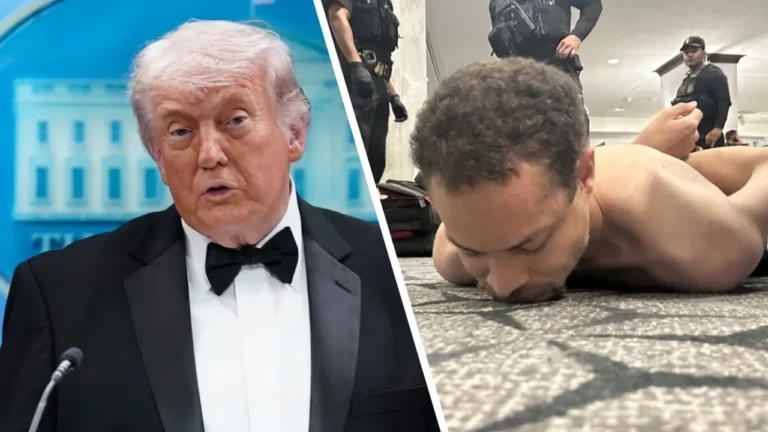
Speaking at the White House on Thursday, Trump underlined the urgency of reviving nuclear diplomacy that has languished since the collapse of the 2015 agreement. He said that while the United States prefers a negotiated settlement, failure to reach terms soon would trigger a harsher approach.
“We have to make a deal,” Trump told reporters. “Otherwise, it’s going to be very dramatic — very traumatic. I don’t want that to happen, but we have to make a deal.”
Setting a Timeline and Raising Pressure
The president suggested that key negotiations with Tehran could conclude within about a month and emphasized that diplomatic talks remain the first choice. However, he made clear that if Iran refuses to compromise, the United States is prepared to move to what he called “phase two” — a tougher stance that could involve significant pressure, potentially including military options.
Trump highlighted past U.S. military action — referring to strikes on Iranian nuclear sites during last year’s outbreak of hostilities — as proof that Washington can act decisively when necessary.
Reaction from Israel
The president’s comments came one day after hosting Israeli Prime Minister Benjamin Netanyahu in Washington. Netanyahu expressed cautious optimism that Trump’s strategy might push Iran back to the negotiating table under terms more favorable to international security — but also voiced skepticism about whether Tehran will compromise.
Netanyahu stressed that any serious deal must not only address Iran’s nuclear program but also its ballistic missile development and support for regional proxy groups — matters of deep concern for Israel’s security.
Tehran’s Position and the Larger Context
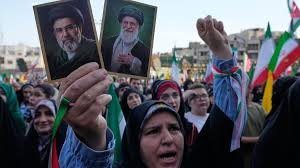
Iranian officials have so far resisted broadening talks beyond the nuclear issue alone and deny seeking nuclear weapons, framing their program as peaceful. In recent months, indirect negotiations have been taking place in Oman, where diplomats from both sides are attempting to bridge differences.
Trump, however, made it clear that he believes the window for diplomacy is narrowing. “We’ll see if we can get a deal with them,” he said. “If we can’t, we’ll have to go to phase two — and phase two will be very tough for them.”
Global Implications
The outcome of these negotiations carries significant implications for stability in the Middle East and beyond. World powers, including European nations and regional stakeholders, have been closely watching developments, hoping for a diplomatic path to rein in Iran’s nuclear ambitions without escalating conflict further.
For now, the U.S. is making its position unmistakably clear: a deal is preferable, but the clock is ticking.