

SYDNEY — Israeli President Isaac Herzog has arrived in Australia for a carefully watched four-day visit that blends official mourning, political diplomacy and widespread public protest, underscoring deep divisions both at home and abroad.
Herzog landed in Sydney on Monday, where he paid tribute to victims of December’s deadly Bondi Beach terror attack, a Hanukkah celebration that left 15 people dead in what authorities and community leaders have described as an antisemitic act. At the Bondi Pavilion memorial, Herzog laid a wreath and placed stones from Jerusalem — a Jewish tradition symbolising enduring memory — and spoke about the need to confront antisemitism nationally and globally.
“Australia, like so many nations, has seen hatred spill into violence,” Herzog said. He urged Australians to stand firm against antisemitism “not merely as a Jewish issue, but as a challenge to the foundations of freedom and tolerance.”
A Visit of Solidarity and Debate
Invited by Prime Minister Anthony Albanese, the visit was officially framed as one of solace and a reaffirmation of ties between the two countries in the wake of the attacks. Albanese and other Australian leaders accompanied Herzog at the memorial and have repeatedly emphasised the visit’s purpose of supporting the Jewish community, which has endured an uptick in antisemitic incidents since the ongoing Israel–Gaza war.
Herzog’s role is largely ceremonial — akin to that of a governor-general — yet his presence carries symbolic weight amid mounting international scrutiny over Israel’s conduct in Gaza. That scrutiny includes a United Nations commission of inquiry that in 2025 concluded some of Herzog’s own comments regarding Palestinians “might reasonably be interpreted as inciting genocide,” a finding the Israeli government rejects.
Protests and Political Pressure
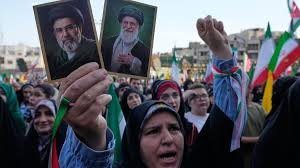
From the moment the visit was announced, it drew strong reactions across Australia. Pro-Palestinian advocacy groups and some human rights organisations have organised nationwide protests in Sydney, Melbourne, Canberra and other cities, arguing Herzog should not be welcomed without accountability for Israel’s military actions in Gaza. They have also lodged legal challenges against special police powers invoked under a “major event” declaration aimed at managing crowds in central Sydney.
In Sydney, thousands of police have been deployed and heightened security measures implemented to prevent clashes between demonstrators and supporters at official events.
“It’s not just about protests here — it’s about deeper questions of justice, international law and the message this visit sends globally,” said one protest organiser. Many activists remain critical of both Israel’s actions in Gaza and Australia’s handling of the visit.
Mixed Reception Within Communities
While many Jewish community leaders have welcomed Herzog’s visit as a gesture of solidarity in a painful period, others within those communities have voiced reservations. More than 1,000 Australians, including some Jewish academics and community figures, signed an open letter opposing Herzog’s visit, citing concerns about conflating Jewish identity with the policies of the Israeli state.
Political figures in Australia also reflect a broad spectrum of opinion. Albanese and other senior ministers have defended the invitation as appropriate in context, emphasising unity and remembrance, while some MPs, activists and legal groups have called for greater scrutiny or even withdrawal of the visit on moral grounds.
A Visit That Reflects Larger Debates
Herzog’s trip — which will also include engagements in Canberra and Melbourne — highlights competing pressures on Australia’s foreign policy and domestic social discourse: balancing grief and solidarity after a horrific attack in Sydney, managing the right to protest and addressing broader debates over Middle East policy and human rights.
As the visit continues, authorities hope security measures and civic dialogue can coexist without escalating tensions further, even as both supporters and critics make their voices heard.