





As the Middle East conflict continues to intensify, fresh details have emerged suggesting that U.S. Vice President JD Vance was not fully convinced by Israel’s early assessment of the war against Iran—raising questions about how the conflict was initially framed at the highest levels of power.
According to recent reports, Vance had expressed skepticism even before the first strikes were launched, particularly regarding claims made by Israeli Prime Minister Benjamin Netanyahu about how the war would unfold.
A War Sold as “Easy”
Sources familiar with internal discussions say Netanyahu presented the conflict to U.S. leadership as relatively straightforward, suggesting that regime change in Iran was achievable and perhaps even likely. However, Vance reportedly viewed these projections with caution.
One insider described the Israeli pitch as overly optimistic, noting that the vice president was “clear-eyed” about the risks and uncertainties involved.
That skepticism now appears significant, as the war has proven far more complex and prolonged than initially anticipated.
Tensions Surface Behind Closed Doors
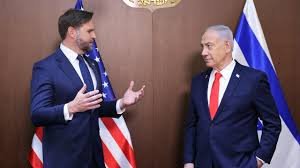
The differences in outlook reportedly came to a head during a recent phone call between Vance and Netanyahu. During the exchange, Vance is said to have challenged Israel’s early assumptions, pointing out that key predictions—such as a quick resolution or internal collapse in Iran—have not materialized.
The conversation highlighted growing friction between Washington and Tel Aviv over the direction and expectations of the war.
While both sides remain publicly aligned, such behind-the-scenes disagreements suggest a more complicated partnership as the conflict drags on.
From Skeptic to Key Negotiator
Despite his early reservations, Vance has now taken on a central role in efforts to de-escalate the situation. He has reportedly held multiple discussions with Netanyahu, engaged with Gulf allies, and participated in indirect communications with Iran as part of broader diplomatic efforts.
His evolving role reflects a shift from cautious observer to active negotiator, as the U.S. looks for a path out of a conflict that has already had far-reaching geopolitical and economic consequences.
War Reality vs. Early Expectations
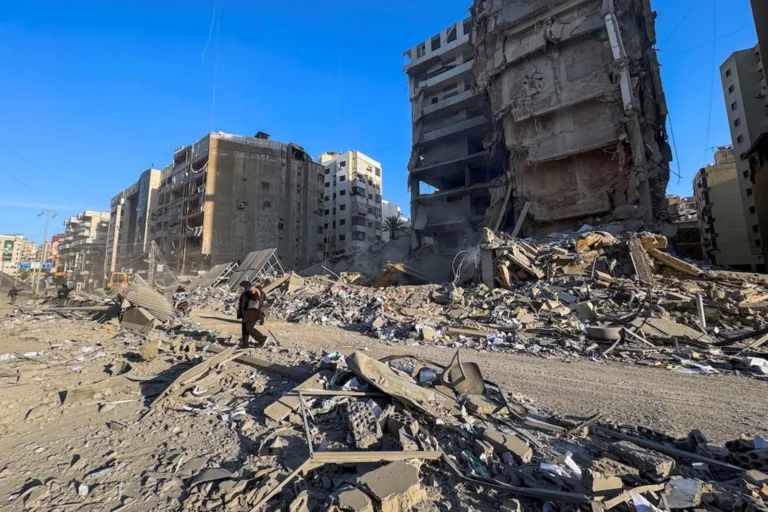
The contrast between initial expectations and current realities is becoming increasingly apparent. What was once portrayed as a potentially swift campaign has instead turned into a prolonged and uncertain confrontation, with no immediate end in sight.
Reports indicate that the war could continue for weeks or longer, challenging earlier assumptions that Iran’s leadership would quickly weaken under pressure.
Broader Implications
The revelations about Vance’s early doubts shed light on internal divisions within the U.S. leadership and raise broader questions about how intelligence and strategic projections are evaluated before major military actions.
They also underscore the risks of overestimating outcomes in complex geopolitical conflicts—especially when decisions carry global consequences.
As diplomatic efforts continue, Vance’s initial skepticism may now shape the U.S. approach moving forward, particularly in seeking a resolution that avoids further escalation.