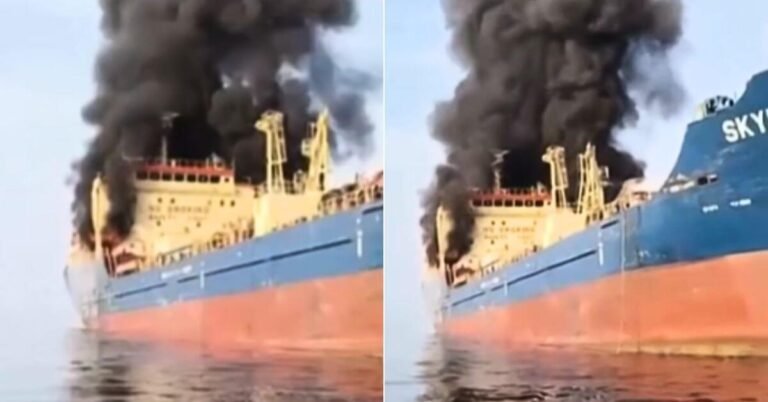








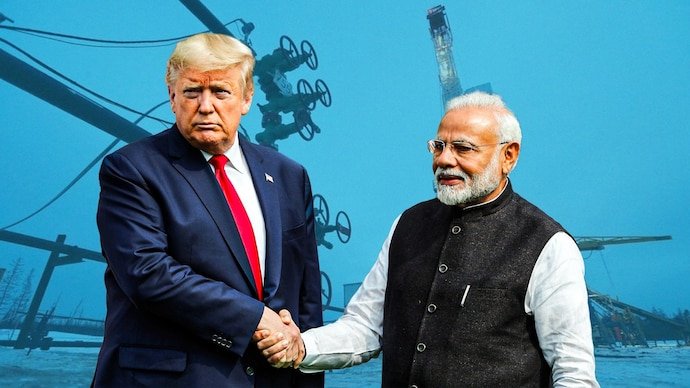
New Delhi: The United States has temporarily allowed India to resume buying certain shipments of Russian crude oil, a move aimed at stabilising global energy markets as geopolitical tensions disrupt oil supplies. The decision comes through a 30-day waiver issued by the US Treasury, permitting Indian refiners to purchase Russian oil cargoes that were already stranded at sea due to sanctions and logistical disruptions.
According to US officials, the waiver is intended as a short-term measure to prevent further instability in global oil prices while ensuring that existing shipments reach buyers. Treasury Secretary Scott Bessent said the decision was designed to “enable oil to keep flowing into the global market.”
Why the US Made the Exception
The temporary relaxation of sanctions comes at a time when the global oil market is facing uncertainty due to rising tensions in West Asia, including conflict affecting shipping routes near the Strait of Hormuz, one of the world’s most important oil transit chokepoints. Concerns over possible disruptions in this region have raised fears of supply shortages and price spikes.
To avoid a sudden tightening of supply, Washington allowed India to purchase Russian crude that had already been loaded onto ships before the waiver was issued. US officials stressed that the move would not significantly benefit Russia financially, as it only covers oil already in transit rather than new contracts.
“Indians Have Been Very Good Actors”
US officials also praised India’s approach to managing energy imports amid sanctions on Russia. In remarks cited in media reports, American policymakers described Indians as “very good actors” in navigating the complex geopolitical situation surrounding Russian oil.
The comment reflects Washington’s view that India has attempted to balance its energy security needs with international pressure over Russia’s invasion of Ukraine.
India’s Dependence on Imported Oil
India is the world’s third-largest importer of crude oil, and it relies heavily on foreign suppliers to meet domestic demand. The country imports nearly 88% of its oil requirements from abroad, making energy security a key policy concern.
After the Russia-Ukraine war began in 2022, India significantly increased purchases of discounted Russian crude, with imports from Russia rising from about 2% to roughly 40% of its oil supply at one point.
In recent months, however, India had reduced Russian purchases under pressure from Western sanctions and trade measures.
A Short-Term Measure
US officials emphasised that the waiver is temporary and limited to 30 days, describing it as a stop-gap solution rather than a change in policy toward Russian energy exports.
Washington has also indicated that it ultimately expects India to diversify its energy imports and potentially increase purchases from the United States and other suppliers.
Political Reactions in India
The decision has sparked political debate in India. Some opposition leaders questioned why the country appeared to require a US waiver to buy oil from another nation, arguing that it raises concerns about India’s strategic autonomy.
Government supporters, however, argue that the waiver reflects pragmatic diplomacy and global economic realities, particularly during a period of volatile energy markets.
What It Means for Global Oil Markets
Analysts say the waiver could help ease pressure on crude prices by allowing millions of barrels of oil that were already stuck in transit to reach buyers. By preventing supply disruptions, the move may provide short-term stability to global energy markets.
However, experts also caution that the underlying geopolitical tensions affecting oil supply routes remain unresolved. If conflicts in the Middle East escalate further, global oil markets could face renewed volatility in the coming months.
✅ In summary: The US decision to allow India to temporarily resume purchases of Russian oil is primarily aimed at stabilising global energy supplies during a period of geopolitical uncertainty. While the waiver offers short-term relief for oil markets and Indian refiners, it does not represent a long-term shift in sanctions policy toward Russia.