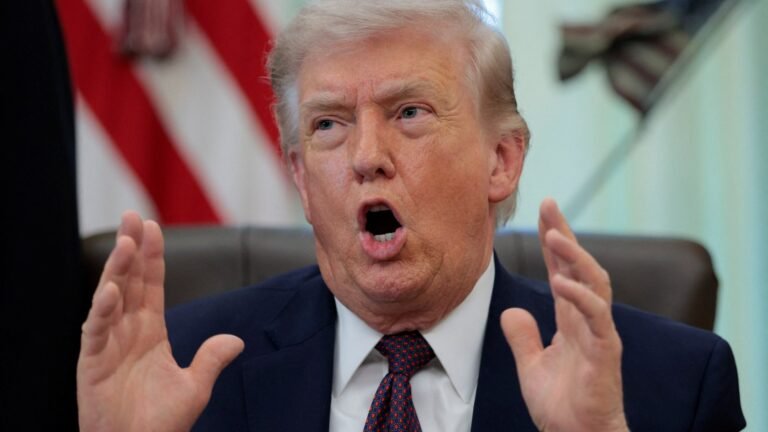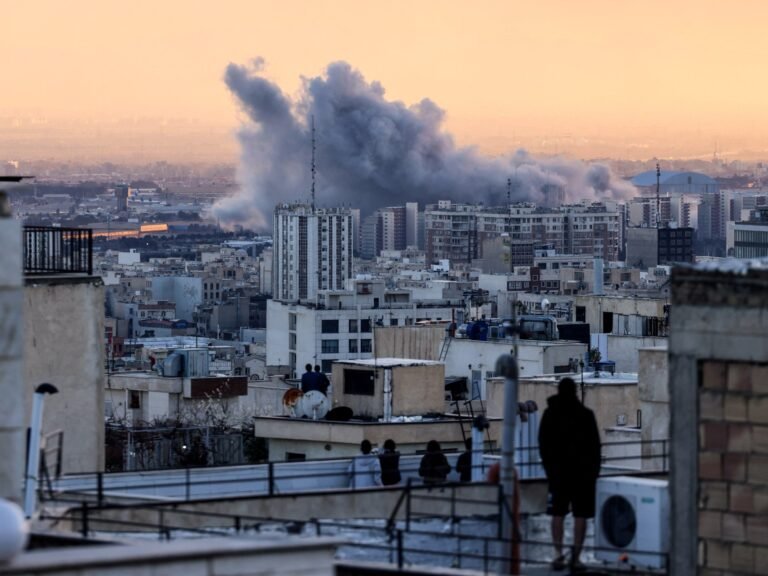


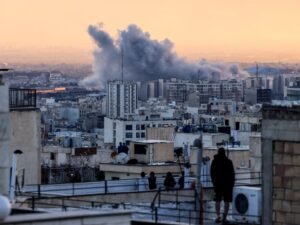
(CNN) — The US military is prepared to launch strikes against Iranian targets as early as this weekend, though President Donald Trump has not yet made a final decision on whether to authorize the operation, sources familiar with the discussions tell CNN.
Senior national security officials presented the President with a range of military options earlier this week following the collapse of indirect nuclear talks in Geneva. While assets are in position and plans have been finalized, sources say Trump remains undecided, weighing the potential for a “massive, weeks-long campaign” against the risks of a wider regional conflagration.
The deliberations inside the White House come at a perilous moment in the Middle East. Tensions have spiked following a deadly crackdown on anti-government protests in Tehran and reports that Iran’s nuclear program has inched closer to weapons-grade enrichment.
According to one administration official, the Pentagon’s proposed plans include strikes on missile storage depots, drone manufacturing facilities, and command-and-control centers. Unlike the limited “Midnight Hammer” operation in 2025—which targeted specific nuclear infrastructure—current contingency planning reportedly envisions a broader campaign designed to degrade the regime’s ability to project power.
“The military is ready to go,” said one source briefed on the matter. “The President has the options on his desk. It is now a question of timing and intent.”
Diplomacy Stalls in Geneva
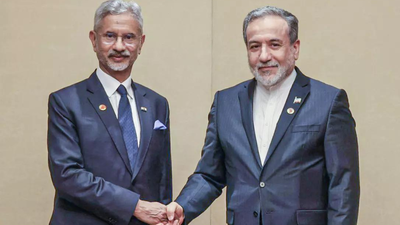
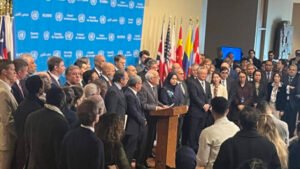
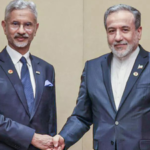
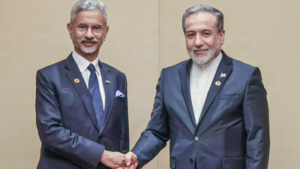
The urgency in the Situation Room follows a disappointing round of diplomacy in Switzerland. Indirect talks between US Special Envoy Steve Witkoff and Iranian Foreign Minister Abbas Araghchi, mediated by Omani officials, ended Tuesday without a breakthrough.
While Iranian state media characterized the discussions as constructive, claiming an agreement on “guiding principles,” US officials offered a bleaker assessment.
“We are not close to a deal,” a senior State Department official told CNN. “The Iranians are trying to buy time while their centrifuges continue to spin. The President has been clear: we will not allow them to run out the clock.”
Trump, who has publicly stated his desire to avoid a “forever war,” is reportedly frustrated by the lack of diplomatic progress. In meetings with advisors this week, he expressed a willingness to use force but also voiced concerns about the economic fallout of a conflict, particularly regarding global oil prices.
‘All Options on the Table’
The US military footprint in the region has expanded significantly in recent weeks. The USS Abraham Lincoln carrier strike group is currently operating in the Arabian Sea, and the USS Gerald R. Ford recently arrived in the Eastern Mediterranean, placing Iranian targets within range of American airpower.
Vice President JD Vance, speaking to Fox News on Tuesday, underscored the administration’s posture. “We do have a very powerful military—the President has shown a willingness to use it,” Vance said. “We are going to end, deter, or degrade Iran’s march towards a nuclear weapon, one way or the other.”
Tehran, meanwhile, has issued its own warnings. Iranian officials have threatened to close the Strait of Hormuz—a chokehold for global energy shipments—if attacked. On Thursday, Iran is scheduled to begin joint naval drills with Russia in the Sea of Oman, a move seen by Western intelligence as a signal of defiance.
Echoes of 2025
The specter of the “12-Day War” of June 2025 hangs heavily over the current standoff. That conflict, sparked by Israeli strikes and joined briefly by the US, damaged Iran’s nuclear program but failed to dismantle it entirely. Intelligence estimates suggest Tehran has since rebuilt key facilities deeper underground.
For Trump, the decision is politically fraught. With the 2026 midterms approaching, he must balance his “peace through strength” rhetoric with his isolationist base’s wariness of foreign entanglements.
“He is listening to everyone,” said a source close to the President. “He’s hearing from the hawks who say strike now, and he’s hearing from the skeptics who say wait for sanctions to bite harder. But the window is closing.”