Islamabad: In a significant diplomatic push to ease escalating tensions in the Middle East, the United States and Iran are preparing to hold crucial peace talks in Pakistan’s capital, Islamabad. The negotiations come on the heels of a fragile, Pakistan-brokered ceasefire and are being viewed as a potential turning point in a conflict that has rattled global stability.
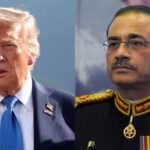
According to officials familiar with the arrangements, the United States will be represented by a high-level delegation led by Vice President JD Vance, signaling Washington’s serious intent to move toward a long-term agreement.
Who is likely to attend?
The upcoming talks are expected to bring together senior representatives from both sides:
- United States: Vice President JD Vance is set to lead the American delegation, supported by top diplomatic and strategic officials.
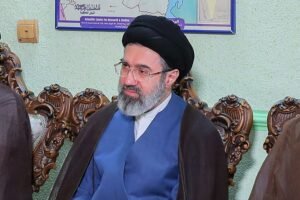
- Iran: Iran is likely to send senior government figures, including key diplomats such as Foreign Minister Abbas Araghchi, who has been central to previous negotiations.
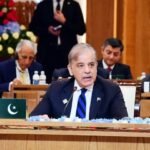
- Pakistan (Host): Prime Minister Shehbaz Sharif and senior military leadership, including Army Chief Asim Munir, are playing a central mediating role.
Pakistan’s involvement has been pivotal, with Islamabad positioning itself as a neutral ground for dialogue amid a rapidly deteriorating regional situation.
A fragile ceasefire sets the stage
The talks follow a temporary two-week ceasefire agreed upon earlier this week after intense backchannel diplomacy.
While the ceasefire has halted immediate hostilities, major issues remain unresolved, including:
- Iran’s nuclear programme
- Regional security dynamics
- Control and access to the Strait of Hormuz
Analysts warn that the ceasefire is only a short-term pause and could collapse without a broader agreement.
Pakistan’s high-risk diplomatic gamble
Pakistan’s role as mediator has drawn global attention. Officials in Islamabad have engaged in round-the-clock diplomacy to bring both sides to the table, even as the risk of renewed conflict looms large.
Security in the capital has been tightened significantly ahead of the talks. Authorities have imposed restrictions, increased military presence, and secured key diplomatic zones to ensure the safety of visiting delegations.
Challenges ahead
Despite the optimism, the path to peace remains uncertain. Differences between the two sides are deep, with disagreements over nuclear restrictions, sanctions relief, and regional influence continuing to pose major hurdles.
Complicating matters further are ongoing tensions involving other regional players, particularly in Lebanon, which could undermine the fragile truce and derail negotiations.
A critical moment for diplomacy
The Islamabad talks mark the first direct, high-level engagement between the US and Iran since the recent escalation of conflict.
Diplomatic observers say the outcome of these discussions could determine whether the region moves toward lasting peace—or slips back into confrontation.
For now, all eyes are on Islamabad, where a breakthrough—or breakdown—could reshape the geopolitical landscape of the Middle East.