





In a major escalation of the ongoing Middle East conflict, the United States has carried out a series of airstrikes on Iranian military positions near the strategically vital Strait of Hormuz, deploying some of its most powerful conventional weapons.
According to US Central Command, American forces used multiple 5,000-pound “bunker buster” bombs to target hardened Iranian missile installations along the country’s southern coastline. These deep-penetration munitions are specifically designed to destroy fortified underground facilities.
Targeting Strategic Threats
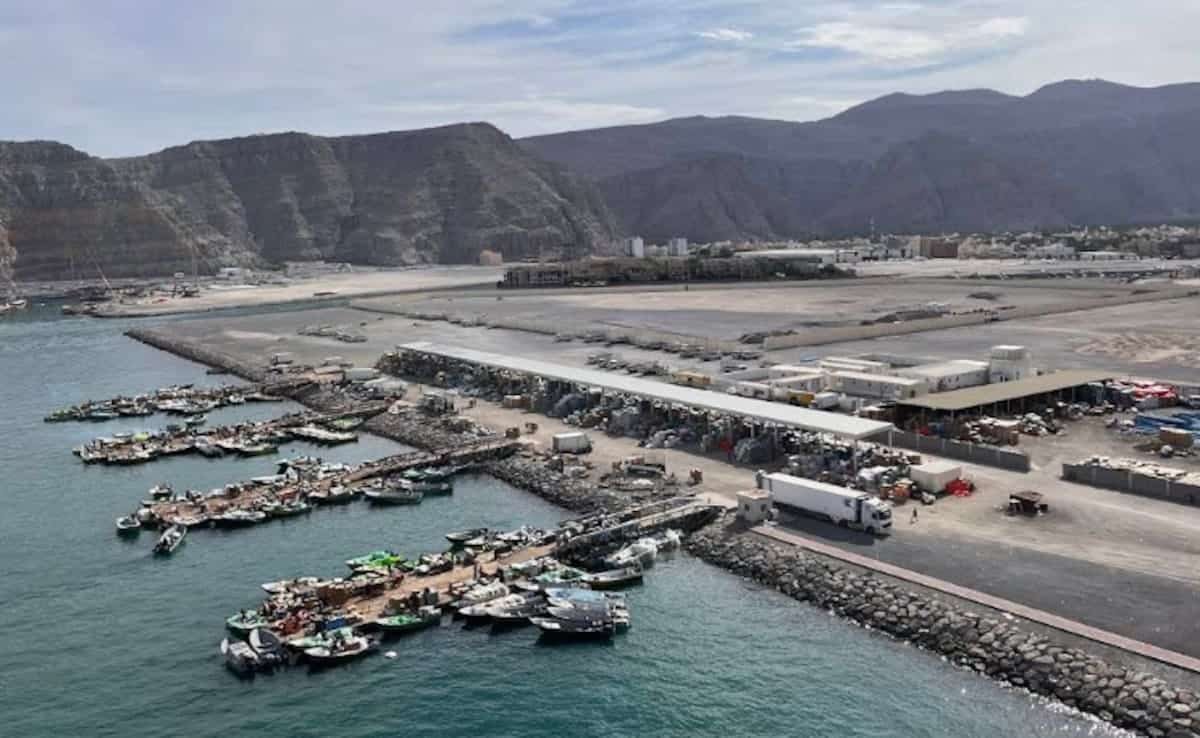
US officials said the strikes were aimed at neutralizing Iranian anti-ship missile systems that posed a serious risk to international shipping passing through the Strait of Hormuz — one of the world’s most critical oil transit chokepoints.
Roughly one-fifth of global oil supply moves through the narrow waterway, making it a focal point of geopolitical tensions. The latest military action comes after Iran effectively shut down or restricted traffic through the strait amid the ongoing conflict, triggering disruptions in global energy markets and pushing oil prices higher.
Part of a Wider Conflict
The airstrikes are part of a broader and rapidly intensifying confrontation involving the United States, Iran, and regional actors. In recent weeks, the conflict has expanded across multiple fronts, with missile and drone attacks reported in several Gulf countries and beyond.
US military officials emphasized that the objective of the operation is to restore freedom of navigation in the Strait of Hormuz and reduce threats to commercial and military vessels operating in the region.
Rising Global Concerns
The situation has raised alarm worldwide, as the Strait of Hormuz remains a lifeline for global energy supplies. Disruptions in the region have already led to sharp increases in oil prices and fears of a prolonged energy crisis.
At the same time, the strikes risk further escalation, with Iran warning of potential retaliation and tensions continuing to rise across the Middle East. International observers have cautioned that the conflict could widen, drawing in more countries and deepening economic and security challenges globally.
Uncertain Path Ahead
While US officials describe the strikes as necessary to counter immediate threats, the broader implications remain unclear. Diplomatic efforts to de-escalate the crisis have so far struggled to gain traction, and divisions among global powers persist over how to respond.
As the situation continues to evolve, the world watches closely, with the Strait of Hormuz once again at the center of a high-stakes geopolitical confrontation that could shape global stability in the weeks ahead.