
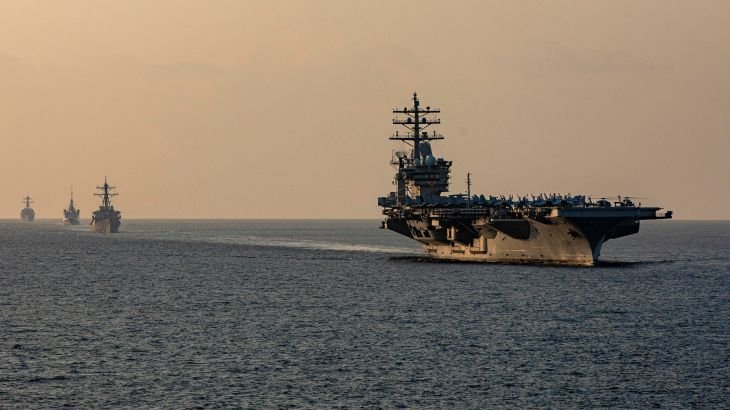
In a significant diplomatic move amid the escalating Iran–Israel conflict, the United Kingdom and France have joined other major global powers in expressing readiness to help secure safe passage through the strategically vital Strait of Hormuz—one of the world’s most critical oil transit routes.
The announcement came as part of a joint statement issued by Britain, France, Germany, Italy, the Netherlands, and Japan, all of whom strongly condemned recent Iranian actions targeting commercial shipping and energy infrastructure in the Gulf region.
A Coordinated Global Response
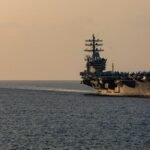
The group of nations said they are prepared to contribute to “appropriate efforts” to ensure the uninterrupted flow of maritime traffic through the narrow waterway, which carries roughly a fifth of global oil supplies.
Their statement underscored growing international concern that continued disruptions could destabilize global energy markets and threaten economic stability worldwide. The countries also signaled their willingness to work together on measures to stabilize oil supplies and mitigate the broader economic fallout.
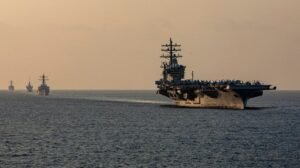
While no immediate military deployment was confirmed, the declaration is widely seen as a step toward a coordinated international security presence in the region.
Strong Condemnation of Iran
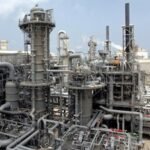
The joint statement sharply criticized Iran for attacks on unarmed commercial vessels and key energy facilities, calling such actions a threat to international peace and security.
This aligns with broader global reactions, as multiple nations and organizations have raised alarm over Iran’s alleged attempts to disrupt shipping lanes and effectively restrict access to the Strait of Hormuz.
Tehran, however, has maintained that the strait remains open under certain conditions, even as tensions continue to rise.
Strategic and Economic Stakes
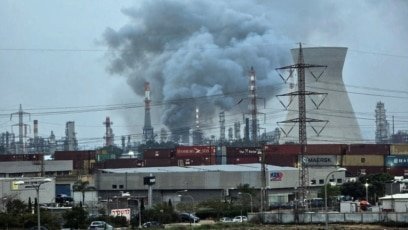
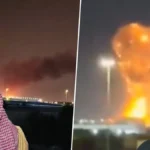
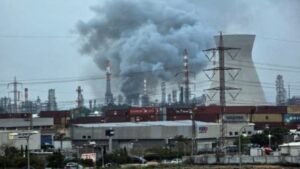
The Strait of Hormuz has once again become the focal point of geopolitical tensions following weeks of military escalation between Iran and Israel, including strikes on energy infrastructure across the region.
Any prolonged disruption in the strait could have far-reaching consequences, including spikes in global oil prices, supply chain disruptions, and increased economic uncertainty—particularly for energy-dependent nations.
Growing Calls for De-escalation
Amid fears of a broader regional conflict, global leaders are urging restraint and a return to diplomatic channels. European leaders have emphasized the importance of maintaining freedom of navigation under international law, warning that further escalation could have severe humanitarian and economic consequences.
At the same time, discussions are ongoing among allied nations about potential coordinated actions—ranging from naval support to energy market interventions—to prevent further destabilization.