





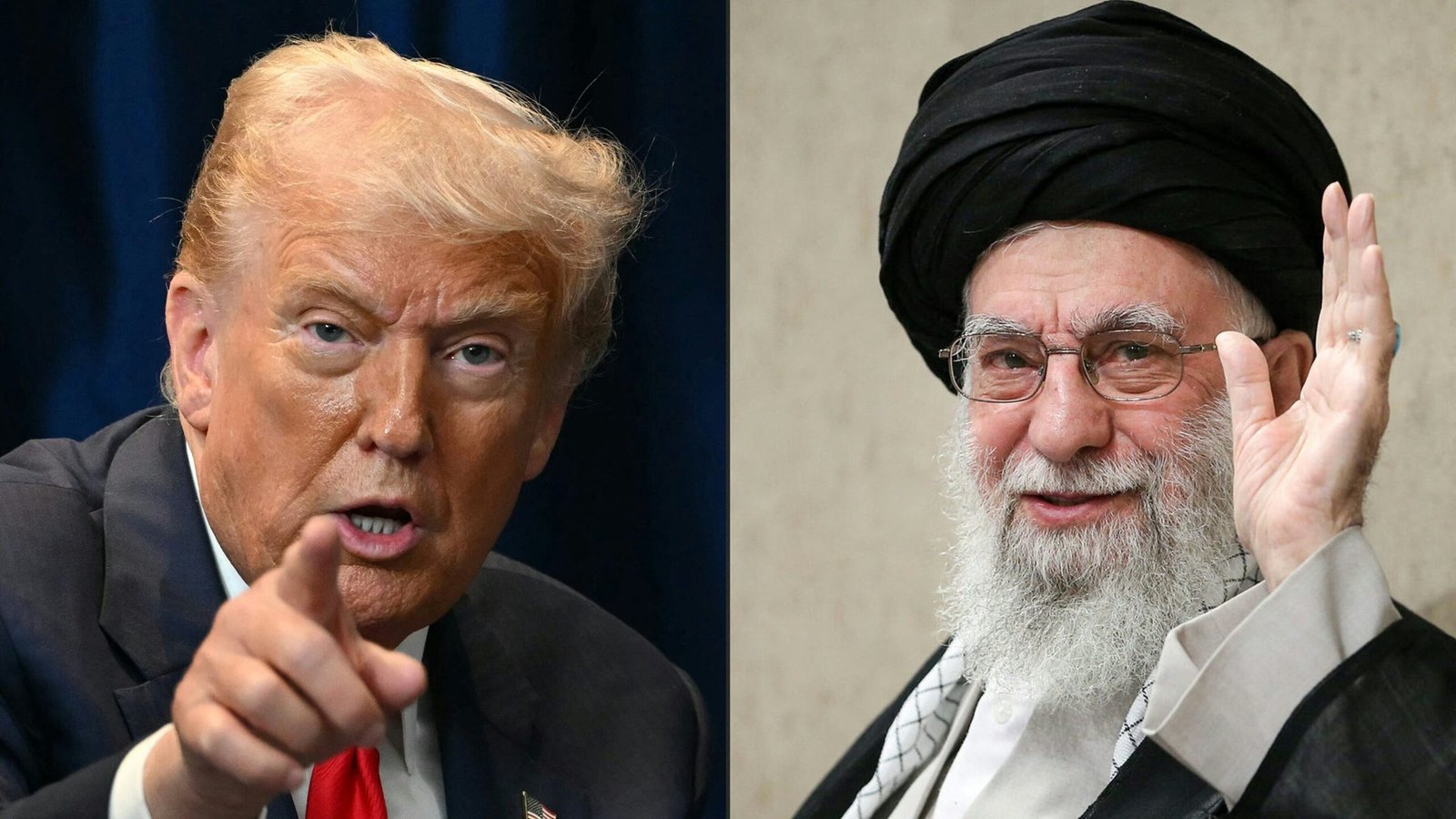
In an interview published Sunday, U.S. President Donald Trump said Iran’s new leadership has signalled a willingness to engage in dialogue with the United States — and that he has accepted that invitation, potentially opening a new chapter in relations between the long-time adversaries.
Speaking with The Atlantic magazine from his residence in Florida, Trump said, “They want to talk, and I’ve agreed to talk, so I will be talking to them.” He added that Tehran should have sought negotiations sooner, calling previous delays a missed opportunity.
What Trump Actually Said
Trump did not provide specific details about who he plans to speak with in Iran or when those conversations might take place. But he acknowledged that the landscape in Tehran has changed — including the loss of several Iranian figures previously involved in diplomatic discussions — and suggested that these talks could take place in the near future.
While emphasising the United States’ strength, Trump also painted the outreach as a sign that Iran’s interim leaders — following recent major events in the region — are willing to reconsider their approach.
Context: Conflict and Leadership Change in Iran
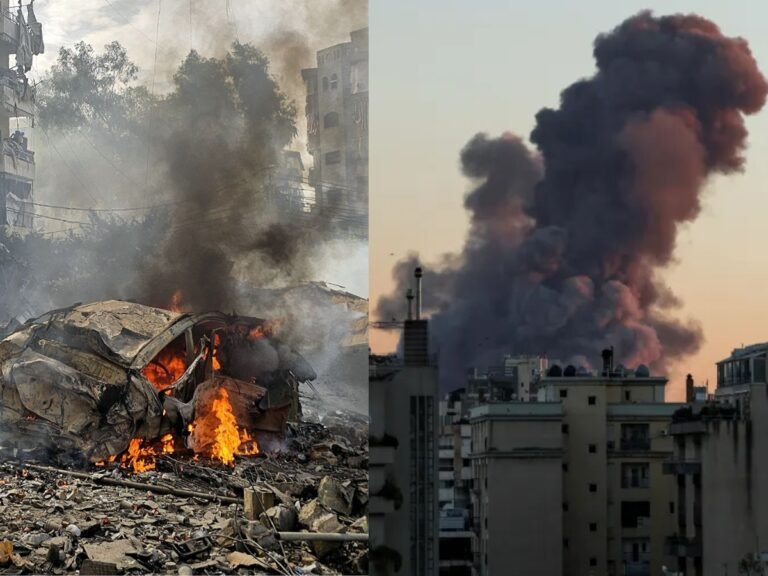
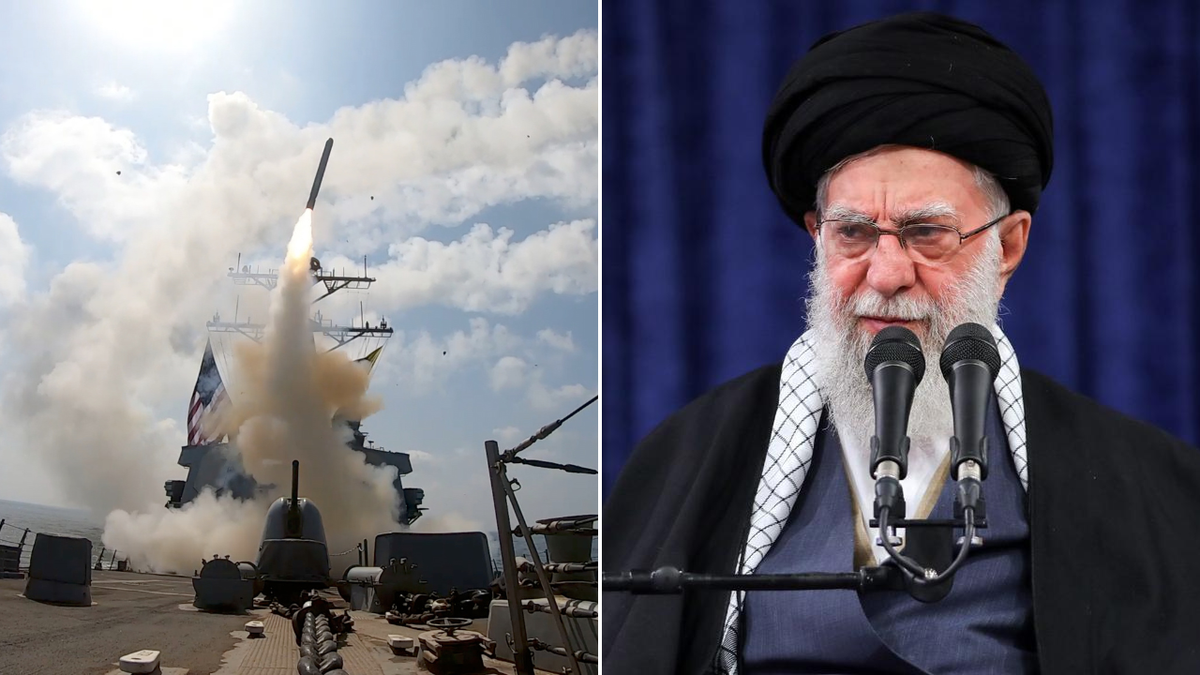
These remarks come amid ongoing tensions between Washington and Tehran, particularly after a recent military strike killed Iran’s Supreme Leader and other senior officials — an attack that has dramatically reshaped political dynamics inside Iran.
In Iran, a temporary leadership council has been formed, and officials have so far responded cautiously to the idea of direct negotiations. It remains unclear how much authority this new governing body has, or whether its statements truly reflect Tehran’s position on U.S. overtures.
Diplomacy or Strategy?
Trump’s comments suggest a blend of diplomatic openness and continued pressure. While agreeing to talks, he has stopped short of outlining clear objectives or timelines, and past negotiations with Tehran — including those earlier this year — have often been indirect or mediated through third parties.
Experts caution that even if both sides express willingness to talk, deep-seated mistrust and geopolitical complexities could make sustained diplomacy difficult. Previous rounds of U.S.–Iran talks focused on curbing Tehran’s nuclear ambitions and reducing regional tensions, but progress has been slow and uneven.
Reactions and Unanswered Questions
The reaction from around the world has been mixed. Some foreign policy analysts see the possibility of dialogue as a positive step that could defuse one of the Middle East’s most dangerous flashpoints. Others warn that mere talk without a clear framework could fall apart under pressure.
Critics also note that Tehran has not yet confirmed Trump’s account of its outreach, and the truth of these claims may only emerge once both governments make formal statements or begin negotiations.
For now, Trump’s remarks are being closely watched in capitals from Washington to Tehran, as policymakers and citizens alike debate whether this moment could be the start of meaningful diplomacy — or simply the latest chapter in a long, fractious relationship.