






The conflict in the Middle East intensified this week after U.S. President Donald Trump declared that the United States would not engage in negotiations with Iran unless Tehran agrees to an “unconditional surrender.” His statement came as Israel expanded its military operations, carrying out fresh airstrikes in Lebanon and targeting positions linked to the Iran-backed militant group Hezbollah.
The developments mark a dramatic escalation in a regional conflict that has already drawn in several countries and raised fears of a broader war across the Middle East.
Trump’s Hardline Message to Iran
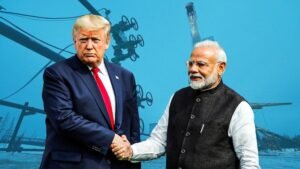
President Trump delivered a blunt message to Iranian leaders, stating that the United States would not negotiate any deal with Tehran unless it first accepts “unconditional surrender.” The remark reflects the administration’s increasingly hardline approach as military operations against Iran and its allies continue to intensify.
In a social media statement, Trump said there would be “no deal” without such a surrender and suggested that after Iran accepts defeat, the U.S. and its allies could help rebuild the country and support new leadership.
The statement also hinted that Washington could play a role in shaping Iran’s future political leadership, a suggestion that Iranian officials quickly rejected as interference in their internal affairs.
Airstrikes Intensify Across the Region
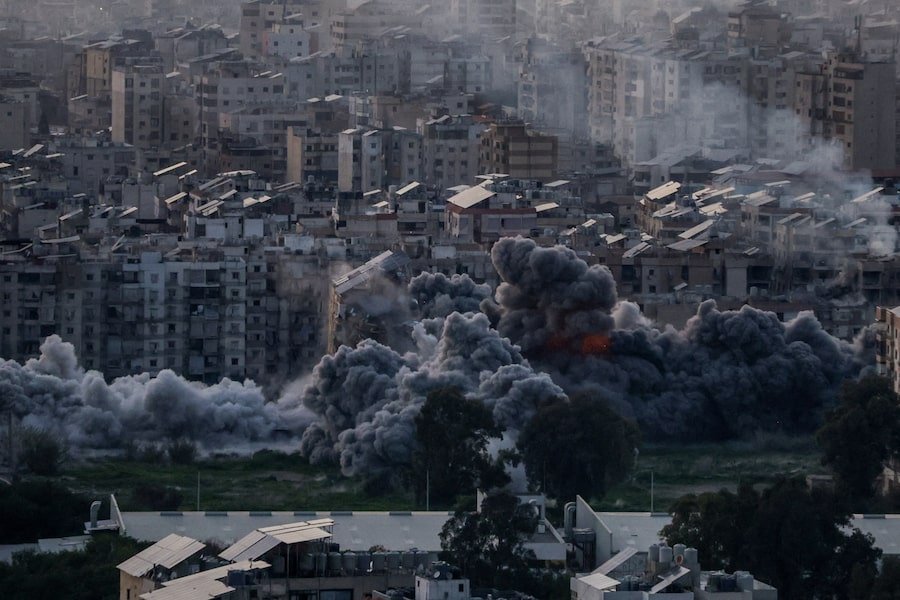
While the political rhetoric escalated, the fighting on the ground also intensified. Israeli forces launched new airstrikes on targets in Lebanon, particularly in areas believed to be controlled by Hezbollah. The strikes were among the heaviest since a previous ceasefire in the region collapsed amid rising tensions.
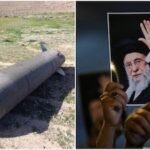
At the same time, explosions were reported in the Iranian capital Tehran, as U.S. and Israeli forces continued coordinated attacks on Iranian military infrastructure. Iran responded by firing missiles toward Israeli territory, further widening the conflict.
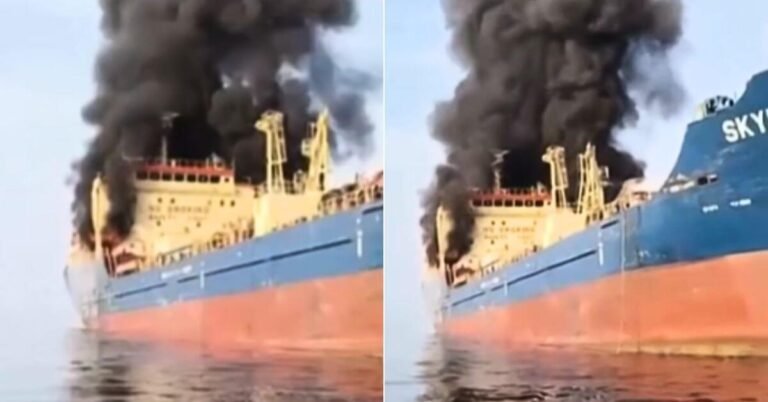
The violence has spread beyond the main battlegrounds. Air-raid sirens were reported in several Gulf states, while drones and missiles linked to the conflict were intercepted over strategic oil facilities in the region.
Growing International Concern
The rapid escalation has alarmed governments around the world, with many warning that the conflict could spiral into a wider regional war. Analysts say the involvement of multiple actors — including the United States, Israel, Iran, and Hezbollah — significantly increases the risk of further destabilization in the Middle East.
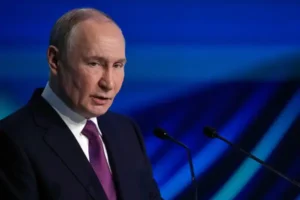
There are also concerns about possible geopolitical repercussions. Intelligence reports suggest that Vladimir Putin’s Russia may have provided Iran with information that could help Tehran target U.S. military assets in the region, although officials say there is no evidence that Moscow is directly directing Iranian operations.
Economic Impact and Global Repercussions
The conflict has already begun to affect global markets. Oil prices have surged amid fears that fighting could disrupt shipping routes and energy exports from the Gulf, a region responsible for a significant share of the world’s oil supply.
Economists warn that prolonged instability could push energy prices even higher and create ripple effects across the global economy, particularly if the conflict disrupts the Strait of Hormuz, a key route for international oil shipments.
No Clear Path to Diplomacy
Despite the growing violence, diplomatic efforts appear stalled. Previous attempts to negotiate a nuclear agreement between the United States and Iran had already broken down earlier in 2026, and the latest statements from Washington suggest that talks are unlikely anytime soon.
Iranian officials have rejected Trump’s demands and vowed to defend the country against what they describe as foreign aggression. Tehran’s representatives at the United Nations have also criticized the U.S. stance, saying Iran will take “all necessary measures” to protect its sovereignty.
A Region on Edge
As airstrikes, missile launches, and political threats continue, the Middle East remains on edge. With both sides signaling little willingness to compromise, analysts warn that the conflict could intensify further in the coming days.
For now, the possibility of negotiations appears distant, with Washington insisting that Iran must first surrender — a demand Tehran has firmly rejected.