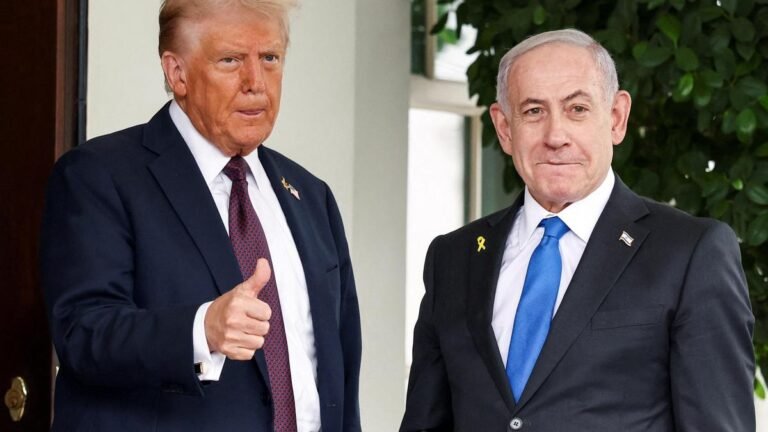






Washington, D.C.: In a notable shift in tone, U.S. President Donald Trump has said he is not planning to deploy American ground troops in the ongoing conflict with Iran, stepping back from earlier signals that suggested such an option was under consideration.
Speaking amid intensifying military operations, Trump made it clear that the United States would avoid putting “boots on the ground,” emphasizing that no troop deployment is currently planned. This marks a significant change from previous reports indicating that his administration had been weighing the possibility of sending thousands of troops to the Middle East as the war escalated.
A Shift in Strategy
The apparent U-turn comes as the conflict, now weeks old, continues to expand in scope. While earlier discussions within the administration included options such as securing key oil routes or even targeting strategic sites inside Iran, Trump’s latest remarks suggest a preference for limiting direct ground involvement.
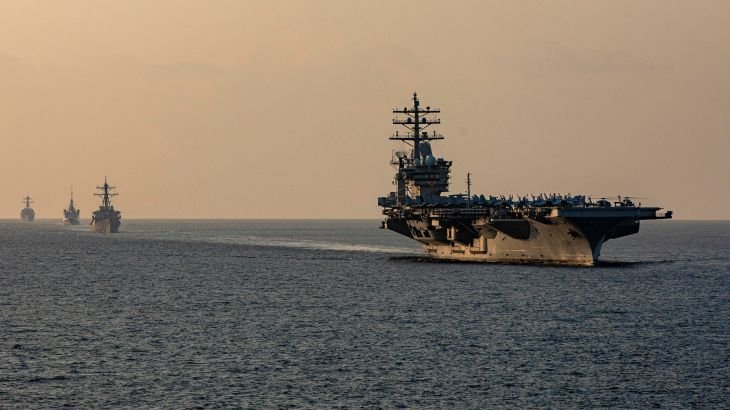
Instead, the U.S. strategy appears to rely heavily on airpower, naval operations, and targeted strikes. American forces have already carried out extensive attacks on Iranian military infrastructure, part of a broader effort to weaken Tehran’s missile capabilities and military networks.
Analysts say the decision to avoid ground troops reflects both political and military considerations. A full-scale ground invasion would likely require a large deployment, carry significant risks, and potentially draw the U.S. into a prolonged conflict—something Trump has repeatedly said he wants to avoid.
War Intensifies Despite Restraint
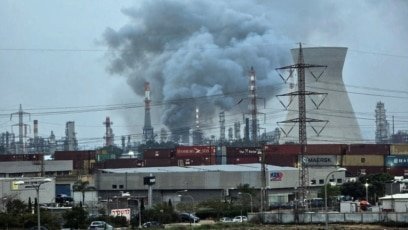
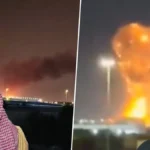
Even without troop deployment, the conflict has continued to escalate sharply. The United States and its allies have conducted widespread strikes, while Iran has retaliated with attacks on energy infrastructure across the Gulf region.
The fighting has disrupted global energy markets, with oil prices surging and key shipping routes like the Strait of Hormuz coming under threat. Military activity in the region has expanded, including airstrikes, naval engagements, and cyber operations, raising fears of a broader regional war.
Meanwhile, Israeli leadership has hinted that a “ground component” may eventually be necessary to achieve strategic goals, highlighting differences in approach between Washington and its allies.
A Delicate Balancing Act
Trump now faces a difficult balancing act: maintaining pressure on Iran while avoiding deeper military entanglement. Experts note that some objectives—such as securing nuclear material or fully dismantling Iran’s military infrastructure—could ultimately require ground operations, despite current reluctance.
For now, however, the administration appears committed to a limited-war approach, relying on precision strikes and regional partnerships rather than large-scale troop deployments.
What Comes Next
The situation remains highly fluid. While Trump’s statement rules out immediate troop deployment, officials have not entirely closed the door on future escalation if conditions change on the ground.
As tensions continue to rise and global economic impacts deepen, the coming weeks will likely determine whether the conflict remains contained—or evolves into a broader and more dangerous confrontation.