



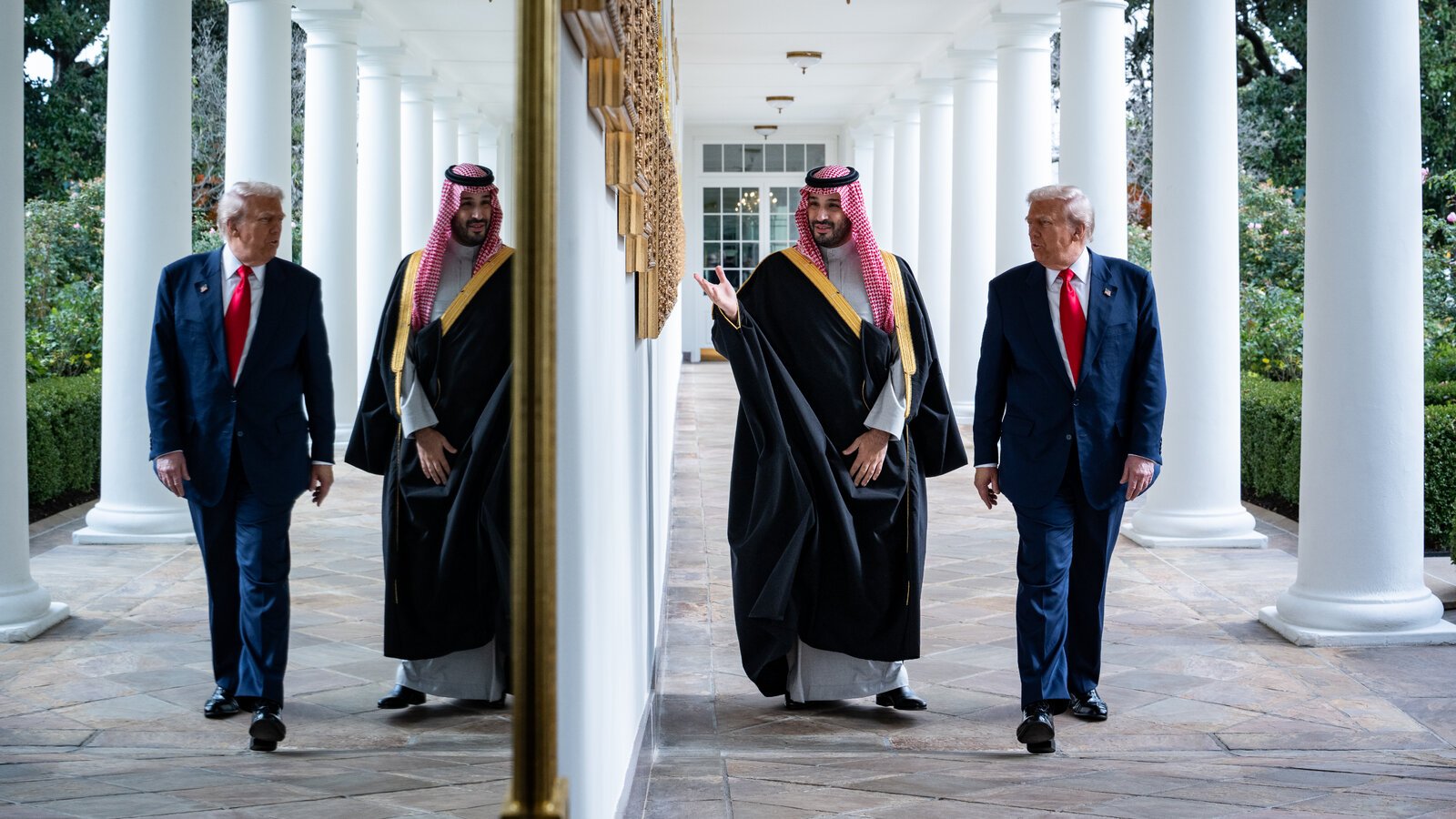
As the conflict between the United States and Iran intensifies, new reports suggest that Saudi Arabia’s Crown Prince, Mohammed bin Salman, has been actively encouraging Washington to stay the course militarily—arguing that Tehran poses a serious long-term threat to the region.
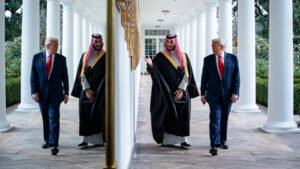
According to a report citing sources familiar with high-level discussions, the Saudi leader has held multiple conversations with former US President Donald Trump in recent days, urging him not to scale back operations against Iran. Instead, he reportedly framed the ongoing war as a rare opportunity to fundamentally reshape the Middle East’s geopolitical landscape.
A Push for Prolonged Military Pressure
At the heart of Saudi Arabia’s position is a deep-rooted concern over Iran’s regional influence. Mohammed bin Salman is said to believe that Iran’s current leadership represents a persistent and growing threat—not just to Saudi Arabia, but to the wider Gulf region.
Sources indicate that he has advocated continued military pressure until Iran’s ruling system is significantly weakened or even dismantled. In these discussions, he reportedly emphasized that only a major political shift in Tehran could eliminate the long-term risks posed by the country.
Some accounts also suggest that Saudi Arabia has supported targeting Iran’s strategic infrastructure, while floating broader military options during private talks.
War Nears One-Month Mark Amid Uncertainty
The US-Iran conflict, which began following joint US-Israeli strikes, is now approaching its one-month mark. While Washington has recently hinted at possible de-escalation—including a temporary pause in attacks—there appears to be little consensus among key allies on how the war should proceed.
Even as diplomatic channels remain open, Iran has signaled strong resistance to negotiations, with officials expressing distrust toward US leadership and warning against continued aggression.
Saudi Arabia Denies Direct Role
Despite these reports, Saudi officials have publicly denied claims that the crown prince is pushing for an extended war. The kingdom has maintained that it supports regional stability, even as tensions with Iran continue to escalate.
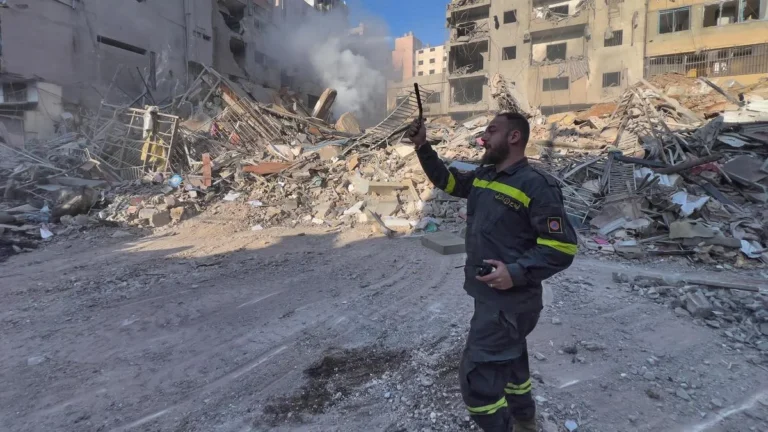
Still, analysts note that Saudi Arabia and other Gulf nations have increasingly aligned with Washington’s strategic objectives, particularly as Iranian missile and drone attacks have targeted key energy infrastructure across the region.
A Region on Edge
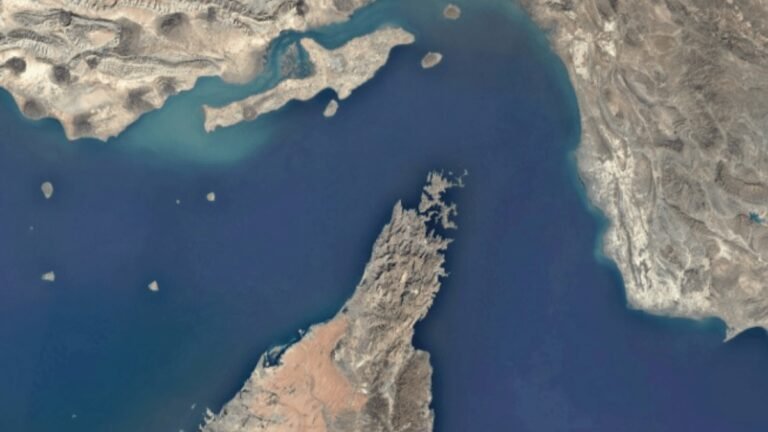
The broader Middle East remains on high alert. Rising hostilities have disrupted global energy markets and raised fears of a wider regional conflict. Gulf nations, heavily reliant on stable oil exports, view Iran’s military capabilities and influence as a direct threat to both economic and national security.
For Saudi Arabia, the stakes are especially high. While Israel may see a weakened Iran as a strategic win, Saudi leadership reportedly fears that an unstable or partially weakened Iran could create even greater risks on its doorstep.
As the war continues, the role of influential regional players like Mohammed bin Salman is likely to remain a key factor in shaping its direction—and its eventual outcome.