


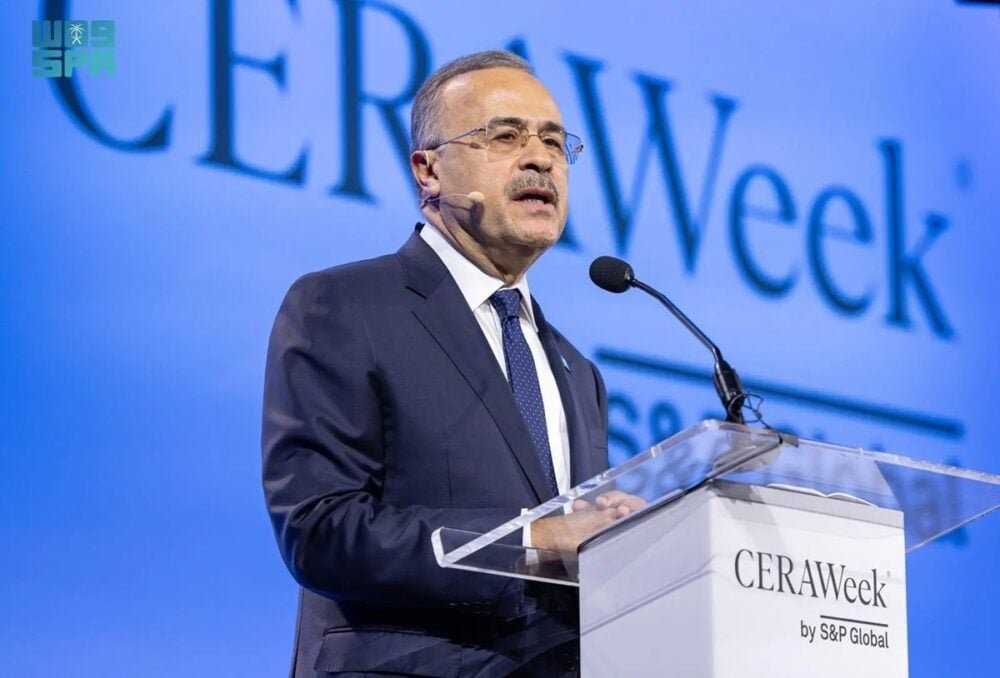
The intensifying conflict in the Middle East is beginning to reshape the global energy landscape in visible ways, with top industry leaders altering plans amid growing uncertainty. In one of the clearest signs yet, Saudi Aramco’s chief executive, Amin Nasser, has pulled out of this year’s CERAWeek energy conference in Houston, choosing instead to remain in Saudi Arabia as tensions with Iran deepen.
Nasser, who typically plays a prominent role at the annual gathering of global energy leaders, cancelled his appearance due to the rapidly evolving security situation in the Gulf. According to sources familiar with the matter, his decision reflects the urgency of managing operations at home during what is being described as one of the most serious crises for the Saudi oil giant in recent years.
A Conflict Reshaping Energy Priorities
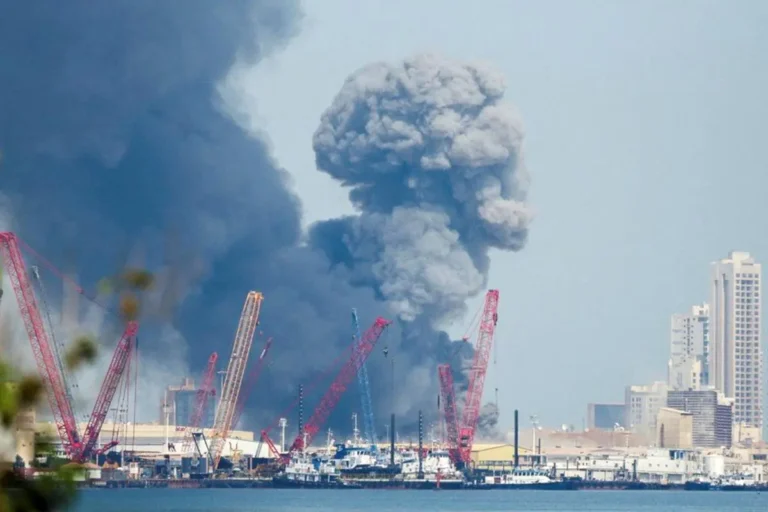
The ongoing Iran conflict has already caused widespread disruption across the region, with attacks targeting key oil and gas infrastructure and raising fears over supply shortages. Saudi Aramco, the world’s largest oil exporter, is at the center of these developments, facing operational challenges reminiscent of past crises such as the 2019 attacks on its facilities.
The situation has forced the company to make significant adjustments, including rerouting shipments and cutting production. In recent weeks, energy flows have been redirected toward Red Sea export routes as traditional pathways through the Strait of Hormuz—one of the world’s most critical oil chokepoints—face ongoing threats.
The broader impact is being felt globally. Oil prices have surged sharply, and governments as well as corporations are scrambling to respond to what analysts describe as one of the most severe energy disruptions in decades.
Ripple Effects Across the Industry
Nasser is not the only executive reconsidering travel plans. Other regional energy leaders have also scaled back their participation in international events, signaling how deeply the crisis is affecting decision-making at the highest levels of the industry.
CERAWeek, which draws thousands of policymakers, executives, and analysts from around the world, is taking place against this volatile backdrop. Discussions this year are expected to focus heavily on energy security, supply diversification, and the long-term implications of geopolitical instability.
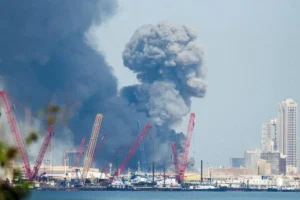
Meanwhile, ongoing attacks and counterattacks in the region continue to threaten critical infrastructure. Recent strikes on refineries and energy facilities have underscored the vulnerability of the global energy system, raising concerns about prolonged disruptions.
A Defining Moment for Global Energy
The absence of one of the industry’s most influential figures highlights just how serious the situation has become. For Saudi Arabia and its flagship oil company, the priority has shifted firmly toward managing immediate risks and ensuring the continuity of supply.
As the conflict shows no clear signs of easing, the global energy sector is entering a period of heightened uncertainty—one that could have lasting consequences for markets, geopolitics, and the future of energy security worldwide.