






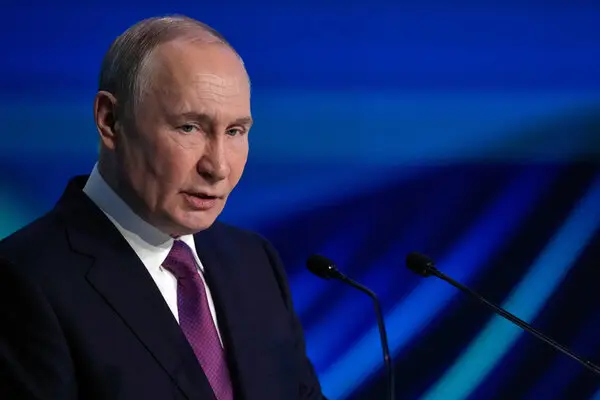
Tensions in the Middle East have intensified after reports emerged that Russia may be providing Iran with sensitive military intelligence during the ongoing conflict involving the United States and Israel. According to multiple reports citing U.S. officials, Moscow has allegedly shared information about American military positions in the region, potentially allowing Tehran to better target U.S. assets.
The development marks a potentially serious escalation in the geopolitical struggle surrounding the war, which has already drawn global attention and raised fears of a wider regional conflict.
Reports of Russian Intelligence Support
U.S. intelligence officials say Russia has supplied Iran with data on the locations and movements of American military forces in the Middle East. The information reportedly includes details about U.S. warships, aircraft, and other military assets operating in the region.
Officials familiar with the intelligence claim the data could help Iran plan attacks or coordinate missile and drone strikes against American or allied forces. The intelligence-sharing reportedly began after the latest round of hostilities erupted between Iran and the U.S.–Israel alliance.
While the exact scale of Moscow’s involvement remains unclear, analysts say the move suggests Russia may be quietly supporting Iran as the conflict intensifies.
Background: The Growing Iran War
The current war began after a coordinated military strike by the United States and Israel against Iranian targets in late February 2026. The operation targeted military installations and infrastructure across Iran, marking one of the most significant direct attacks on the country in recent years.
In response, Iran launched retaliatory attacks across the region, including missile and drone strikes targeting U.S. military bases and strategic facilities. These actions have expanded the conflict across several Middle Eastern countries and heightened concerns about regional instability.
According to military analysts, Iran’s ability to identify American assets may have been weakened by earlier strikes. That is why the alleged Russian intelligence support could be strategically valuable for Tehran.
U.S. Reaction to the Reports
The White House has declined to comment directly on the intelligence reports, saying it does not discuss classified information publicly. However, American officials have indicated that U.S. forces remain confident in their operational security and military capabilities.
Some U.S. officials have also suggested that even if Russia is sharing information with Iran, it has not significantly changed the battlefield situation. Washington maintains that its military operations against Iranian forces have been largely successful so far.
Still, security experts warn that foreign intelligence support could complicate the conflict and potentially increase risks for American personnel deployed in the region.
Russia’s Position
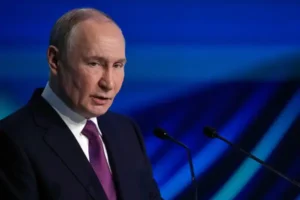
The Kremlin has not confirmed the allegations but acknowledged that it remains in communication with Iranian leadership. Russian officials have previously criticized the U.S. and Israeli military campaign against Iran, calling it destabilizing for the region.
Moscow has also positioned itself as a potential mediator in the conflict, though its close political and strategic ties with Tehran have drawn scrutiny from Western governments.
Russia and Iran signed a strategic partnership agreement in 2025 aimed at strengthening economic, political, and security cooperation. While the agreement does not constitute a formal military alliance, it has deepened collaboration between the two countries.
Global Concerns Over Escalation
The possibility of Russian intelligence assistance has raised concerns that the conflict could widen beyond the Middle East. Analysts warn that the involvement of additional major powers could transform the war into a larger geopolitical confrontation.
Some experts also point out that rising tensions between the U.S., Russia, and Iran could complicate existing conflicts elsewhere, including the war in Ukraine and broader security challenges in Europe and Asia.
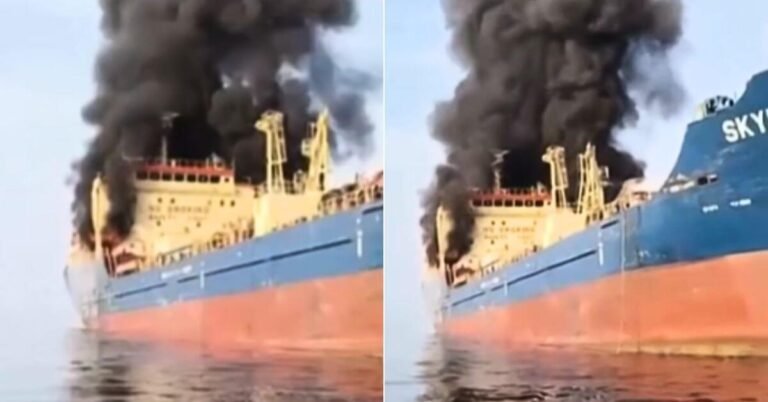
Energy markets and global shipping routes are also being closely monitored, as instability in the region could disrupt oil supplies and international trade.
Uncertain Path Ahead
For now, much about Russia’s alleged intelligence role remains unclear. Officials say investigations are ongoing to determine how extensive the cooperation may be and whether it will continue as the conflict evolves.
What is clear, however, is that the war between Iran and the U.S.–Israel alliance is entering a more complex and dangerous phase. With major powers increasingly involved—either directly or indirectly—the stakes for regional and global security continue to rise.
Diplomatic efforts to contain the crisis are ongoing, but with tensions high and military operations continuing, the prospect of a quick resolution remains uncertain.