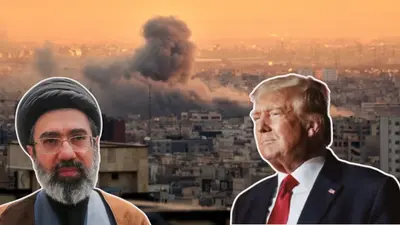






In a significant diplomatic development amid weeks of escalating tensions, Iran has reportedly presented a fresh proposal to the United States aimed at ending hostilities and reopening the strategically vital Strait of Hormuz, one of the world’s most important oil transit routes.
According to multiple reports, the proposal—delivered through Pakistani intermediaries—focuses on immediate de-escalation, including a ceasefire and restoration of maritime traffic, while deferring contentious nuclear negotiations to a later stage.
A Shift in Strategy
The new offer signals a tactical shift by Tehran after earlier rounds of peace talks, including those held in Islamabad, failed to produce a breakthrough. Negotiations had stalled largely over disagreements on Iran’s nuclear programme, with both sides refusing to compromise on key demands.
Under the revised framework, Iran is prioritising what it sees as urgent issues—ending military conflict and reopening the Strait of Hormuz—before tackling more complex geopolitical disputes. The waterway handles a substantial share of global oil shipments, and its disruption has already sent shockwaves through energy markets worldwide.
Pakistan’s Role as Mediator
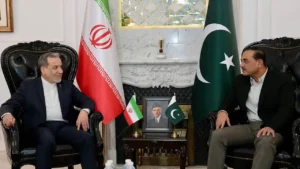
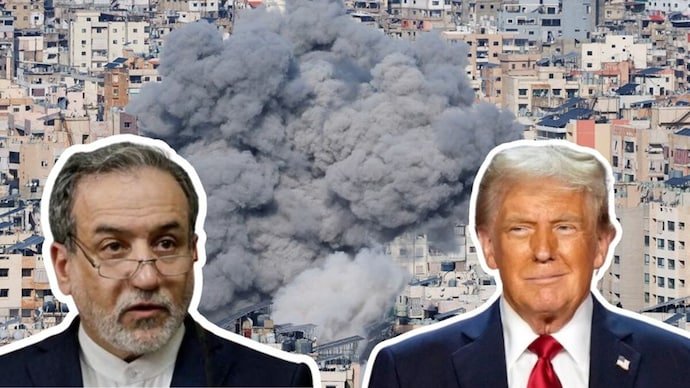
Pakistan has emerged as a key diplomatic bridge in the crisis, facilitating communication between Washington and Tehran. Iranian Foreign Minister Abbas Araghchi has been actively engaged in shuttle diplomacy across the region, including visits to Pakistan, Oman, and Russia, in an effort to build consensus and revive stalled talks.
The involvement of Islamabad highlights the increasingly complex regional dimension of the conflict, with multiple countries attempting to prevent further escalation that could destabilise global trade and energy supplies.
High Stakes for Global Economy
The Strait of Hormuz remains central to the crisis. Its partial closure and ongoing disruptions have already pushed oil prices higher, reflecting fears of prolonged supply constraints.
Industry analysts warn that any continued instability in the region could deepen economic uncertainty, particularly for countries heavily dependent on Gulf oil exports. Recent incidents involving ship seizures, naval blockades, and military standoffs have underscored how fragile the situation remains.
Uncertain Response from Washington
While the White House has acknowledged receiving Iran’s proposal, it remains unclear how the United States will respond. American officials have consistently maintained that any agreement must ensure Iran does not develop nuclear weapons, a sticking point that has derailed past negotiations.
The proposal is expected to be reviewed at the highest levels, with policymakers weighing the immediate benefits of de-escalation against long-term strategic concerns.
Fragile Ceasefire, Ongoing Risks
Despite talk of diplomacy, the situation on the ground remains volatile. A fragile ceasefire is in place, but sporadic clashes and mutual distrust continue to threaten stability. The broader regional conflict—including tensions involving Israel and Lebanon—adds further complexity to already delicate negotiations.
Outlook
Iran’s latest proposal could mark a potential opening for renewed dialogue, particularly if both sides are willing to prioritise short-term stability over entrenched disagreements. However, deep divisions—especially over nuclear policy—mean that a lasting resolution remains uncertain.
For now, the world watches closely, as developments in the Gulf continue to carry far-reaching implications for global security, diplomacy, and the economy.