





Jerusalem / Tehran — Israeli Prime Minister Benjamin Netanyahu has claimed that Iran no longer has the capability to enrich uranium or produce ballistic missiles, following weeks of intense military strikes by Israel and its allies. The statement comes amid a rapidly escalating conflict that is reshaping the geopolitical landscape of the Middle East.
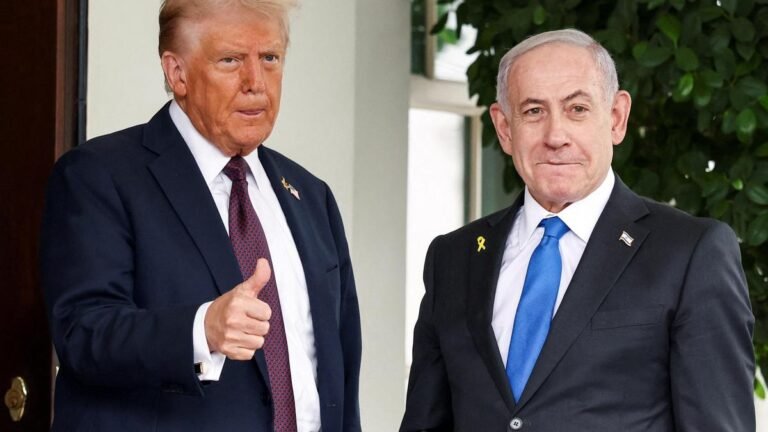
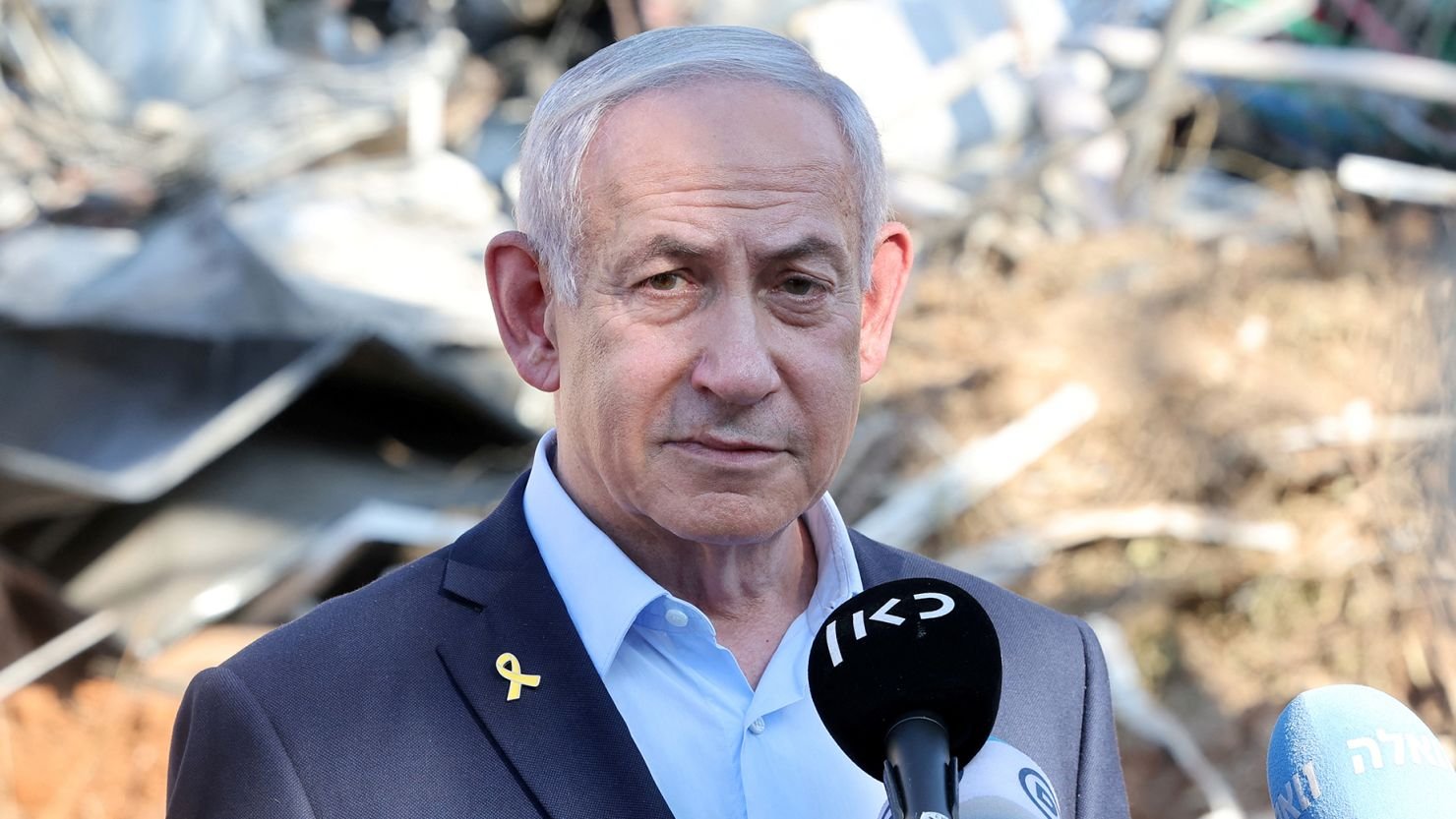
Speaking at a press conference on March 19, Netanyahu said Israel’s ongoing military campaign had dealt a decisive blow to Iran’s nuclear and missile infrastructure. He asserted that Tehran’s long-standing ambitions to develop advanced nuclear capabilities had been effectively neutralized.
The Israeli leader framed the operation as a major strategic success, suggesting that the strikes had removed what he described as a critical threat to Israel’s security. According to him, the coordinated attacks targeted key nuclear facilities, missile production sites, and energy infrastructure across Iran.
However, Netanyahu’s claims have not gone unchallenged. International observers and nuclear experts have urged caution, with some indicating that Iran may still retain elements of its nuclear program despite the damage inflicted. Reports suggest that while facilities have been hit, complete elimination of technical capability is difficult to verify in the short term.
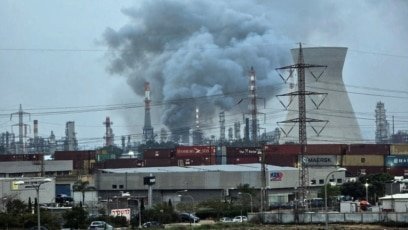
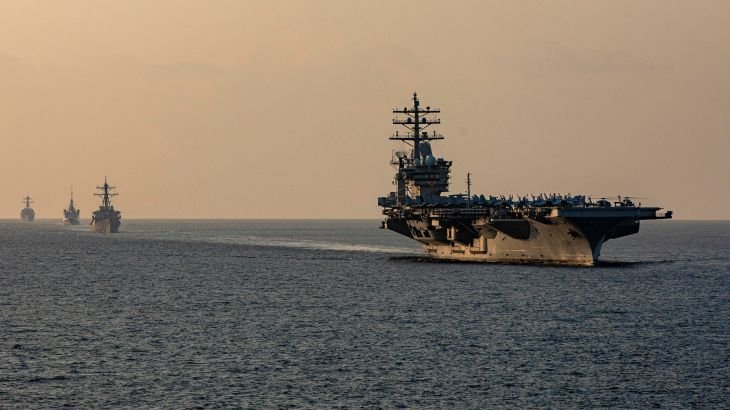
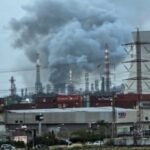
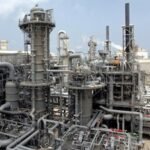
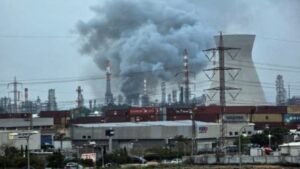
The developments come after nearly three weeks of sustained conflict involving Israeli and U.S. strikes on Iranian territory. Key targets have included energy hubs such as the South Pars gas field, a vital component of Iran’s economy.
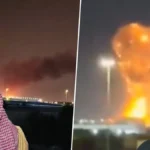
In response, Iran has launched retaliatory missile and drone attacks against Israeli positions and several Gulf countries, widening the scope of the conflict. The escalation has triggered fears of a broader regional war, with oil prices surging and global energy markets experiencing significant volatility.
Despite the military gains claimed by Israel, Netanyahu indicated that the conflict may not be over. He suggested that airstrikes alone may not be sufficient to achieve long-term objectives, hinting at the possibility of further military action, including a ground component if necessary.
The situation remains highly fluid, with world powers closely monitoring developments. While Israel maintains that it has significantly weakened Iran’s strategic capabilities, the broader implications for regional stability—and the true extent of the damage to Iran’s nuclear program—are still unfolding.