




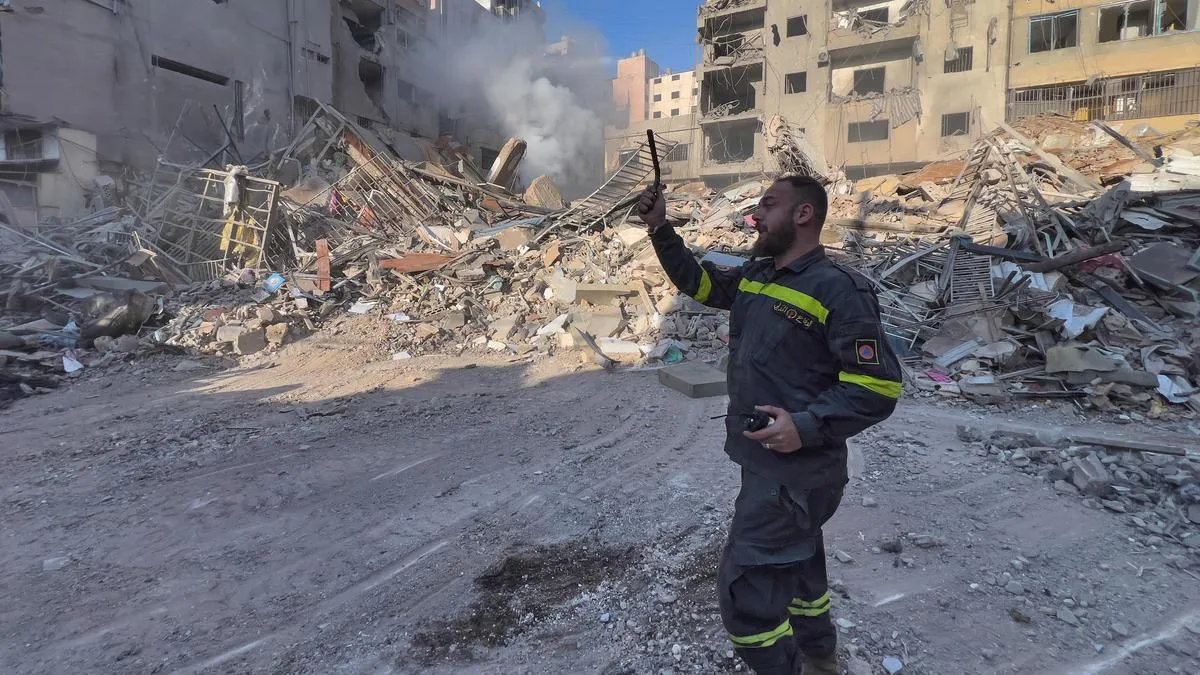
Beirut, March 25, 2026 — In a dramatic escalation of diplomatic tensions, Lebanon has declared Iran’s ambassador persona non grata, ordering him to leave the country within days. The move comes as Israeli airstrikes intensify across Lebanese territory, further entangling the country in the widening regional conflict.
Lebanon’s Foreign Ministry announced the decision on Tuesday, saying it had withdrawn recognition of the Iranian envoy and demanded his departure by the end of the week. Officials cited what they described as violations of diplomatic norms and unacceptable interference in Lebanon’s internal affairs.
Foreign Minister Youssef Raggi confirmed that the Iranian chargé d’affaires in Beirut had been summoned and formally informed of the decision. The ambassador-designate, Mohammad Reza Shibani, has been instructed to leave Lebanese territory no later than March 29.
A Move Shaped by War
The expulsion comes against the backdrop of escalating violence between Israel and Iran-aligned forces in the region. Lebanon has been increasingly drawn into the conflict, largely due to the involvement of Hezbollah, the Iran-backed armed group that operates within the country.
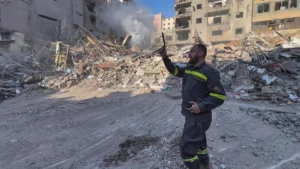
Israeli forces have carried out heavy strikes across Lebanon in recent weeks, targeting Hezbollah positions and infrastructure. The attacks have caused widespread destruction, killed civilians, and displaced large numbers of people, deepening Lebanon’s already fragile situation.
At the same time, Lebanese authorities have grown more vocal in their criticism of Hezbollah’s military activities, arguing that they risk dragging the country into a broader war. Public frustration has also been mounting, with many citizens blaming the group’s actions for triggering Israeli retaliation.
Diplomatic Signal to Tehran
By expelling Iran’s ambassador, Lebanon appears to be sending a clear message to Tehran: it will not tolerate external influence that could further destabilize the country.
The government has recently taken additional steps to curb Iranian involvement, including restrictions on individuals linked to Iran’s Revolutionary Guard and tighter controls on foreign activities within Lebanon.
Analysts say the decision reflects a broader shift in Lebanese policy, as authorities attempt to reassert state control over security matters and distance themselves from regional power struggles.
Regional Implications
The move also highlights the growing diplomatic fallout from the wider Middle East conflict, which has seen multiple countries reassess their ties with Iran. Lebanon’s action mirrors similar steps taken elsewhere in the region amid rising tensions.
Israel welcomed the decision, calling it a justified response to Iran’s role in supporting armed groups in Lebanon.
However, the expulsion risks further straining relations between Beirut and Tehran at a time when the region is already on edge. With fighting continuing and no clear path to de-escalation, Lebanon finds itself navigating an increasingly complex and dangerous geopolitical landscape.
A Country Under Pressure
For Lebanon, the decision underscores the difficult balancing act it faces — attempting to maintain sovereignty and stability while caught between powerful regional actors.
As Israeli strikes continue and diplomatic tensions rise, the coming days are likely to test whether this bold move can help Lebanon regain control of its internal affairs — or push it deeper into the crisis unfolding across the Middle East.