




Tehran/Washington, April 6, 2026 — In a major setback to ongoing diplomatic efforts, Iran has formally rejected a United States-backed ceasefire proposal, instead outlining its own conditions for ending the conflict through a detailed 10-point plan.
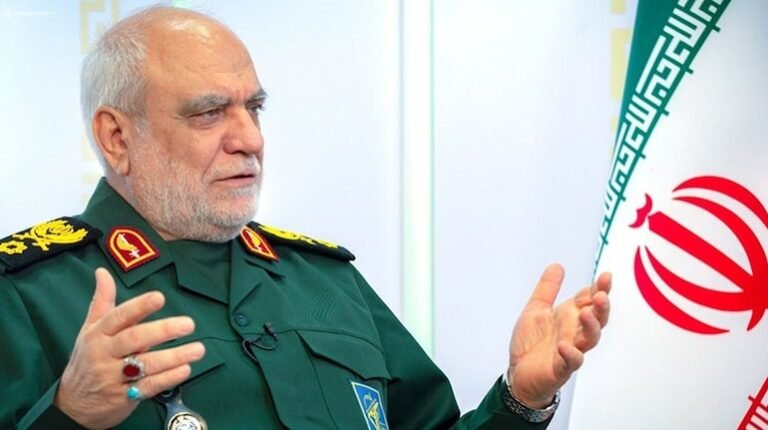
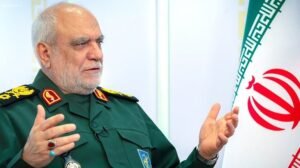
According to Iran’s state news agency IRNA, Tehran communicated its response via mediators, including Pakistan, making it clear that a temporary ceasefire is not acceptable. Instead, Iranian officials are pushing for what they describe as a “permanent end” to the war—one that addresses deeper political and security concerns.
A Shift From Ceasefire to Long-Term Resolution
The US proposal reportedly focused on an immediate halt to hostilities, but Iran dismissed it as unrealistic and overly demanding. Iranian officials argued that short-term ceasefires have failed in the past and do not guarantee lasting peace.
Instead, Tehran’s counterproposal emphasizes structural changes, including an end to all regional hostilities and firm guarantees against future attacks.
Among the key demands outlined in the 10-point plan are:
- A permanent cessation of war, not a temporary truce
- Lifting of international sanctions imposed on Iran
- Reconstruction support for damage caused by ongoing strikes
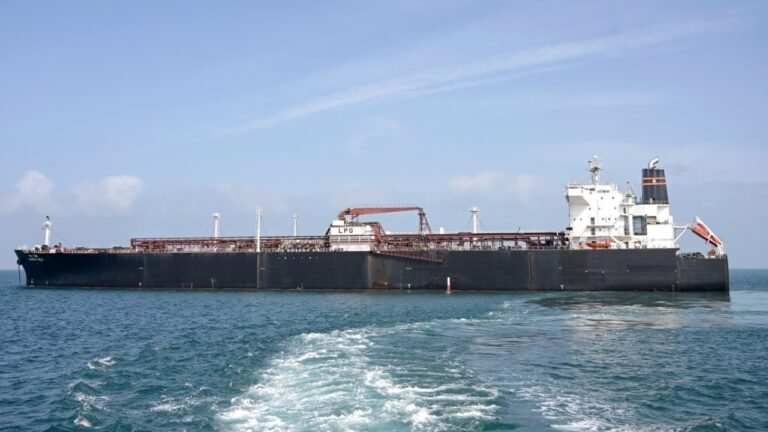
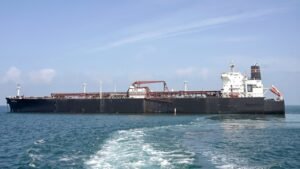
- A formal agreement ensuring safe navigation through the Strait of Hormuz, a critical global oil route
- Broader commitments to regional stability and non-aggression
Iran has also stressed that any agreement must include guarantees that it will not face renewed military action in the future, reflecting deep mistrust of US intentions after previous escalations.
Rising Tensions Ahead of US Deadline
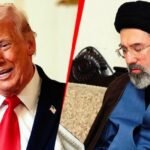
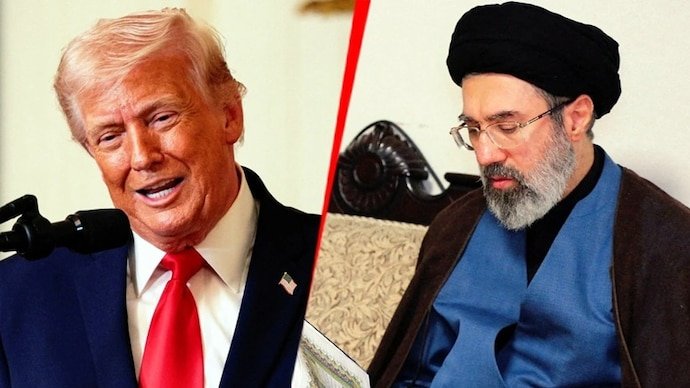
The rejection comes at a tense moment, with US President Donald Trump setting a deadline for Iran to agree to terms or face potential military escalation. Reports indicate that Washington has warned of possible strikes on key infrastructure if negotiations fail.
Despite acknowledging Iran’s proposal as a “significant step,” Trump has said it falls short of US expectations.
Meanwhile, diplomatic efforts led by countries such as Pakistan, Egypt, and Turkey continue, though optimism is fading as both sides remain far apart.
Conflict Continues Amid Diplomatic Deadlock
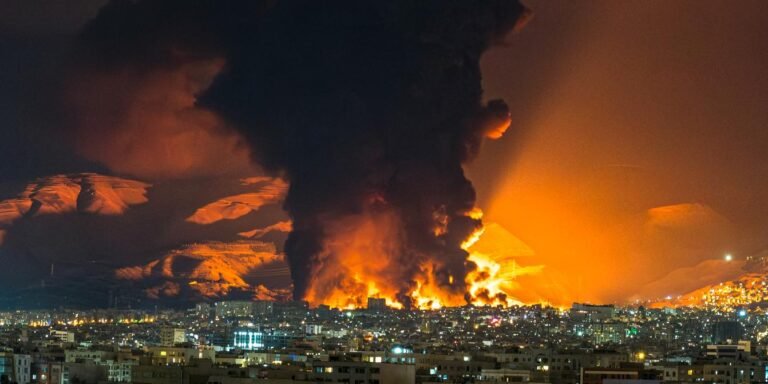
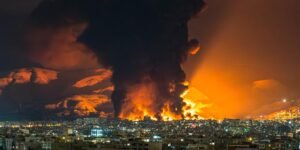
The ongoing war—now stretching into weeks of intense fighting—has already caused widespread damage and civilian casualties across the region. Military strikes, including attacks on infrastructure and energy facilities, have further escalated tensions.
The Strait of Hormuz, a vital artery for global oil shipments, remains a central issue in negotiations. Its closure has disrupted energy markets and heightened global economic concerns.
Uncertain Path Forward
Iran’s rejection of the ceasefire proposal signals a hardening stance and underscores the challenges facing international mediators. By insisting on a comprehensive settlement rather than a temporary pause, Tehran appears to be betting on long-term leverage rather than immediate de-escalation.
With both sides standing firm and deadlines looming, the chances of a quick diplomatic breakthrough remain uncertain—raising fears that the conflict could intensify further in the coming days