



Gulf officials said the effort was intended to prevent a rapid slide toward military confrontation.
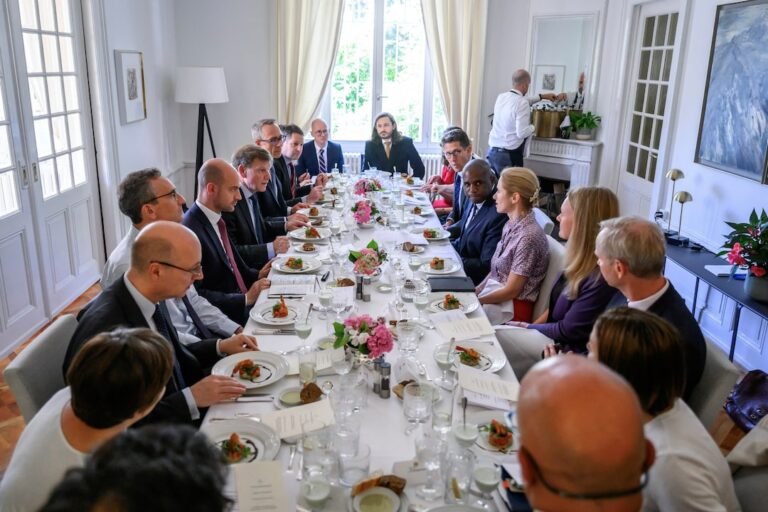
Saudi Arabia, Qatar and Oman mounted a last-minute diplomatic push to dissuade the United States from launching a military strike on Iran, with senior Gulf officials saying they urged Washington to give Tehran time to step back from escalation.
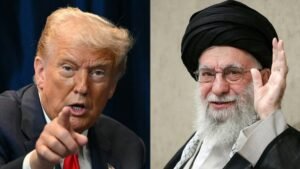
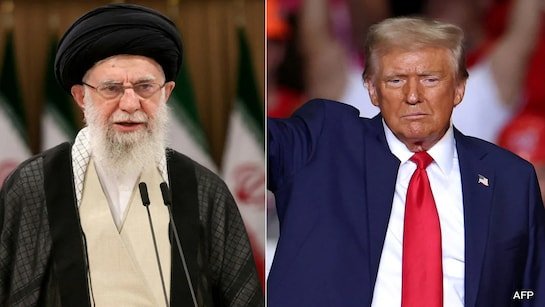
A senior Saudi official told Agence France-Presse on Thursday that the three countries led what he described as an intense effort to convince US President Donald Trump not to attack Iran amid rising tensions over Tehran’s crackdown on protests. Another Gulf official confirmed the discussions while speaking to the news agency.
“The Gulf trio led a long, frantic, diplomatic last-minute effort to convince President Trump to give Iran a chance to show good intention,” the unnamed Saudi official was quoted as saying.
Earlier in the day, Iran’s envoy to Pakistan said Trump had conveyed to Tehran that he did not intend to attack and had urged restraint, a claim that pointed to parallel diplomatic efforts to prevent escalation.
The Iranian envoy, Reza Amiri Moghadam, said the message indicated that Trump did not want war and had asked Iran not to target US interests in the region, according to a report by Pakistan’s Dawn.
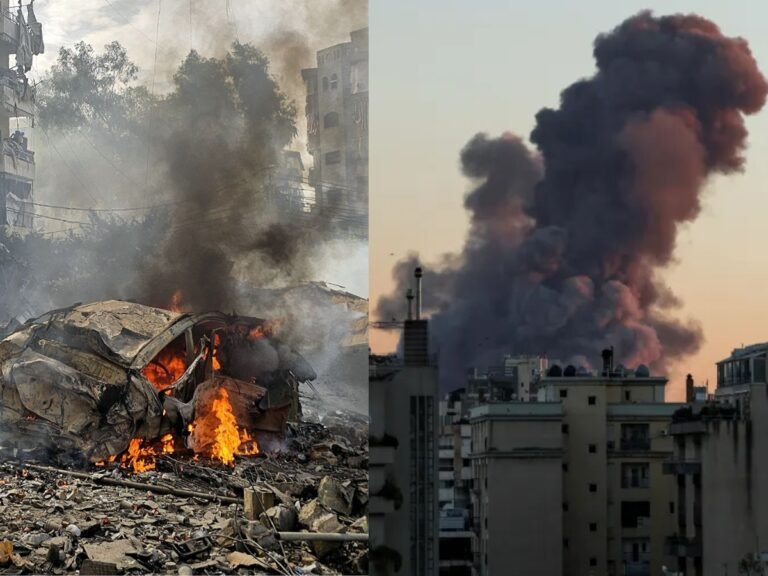
The Saudi official said the Gulf outreach was aimed at preventing “an uncontrollable situation in the region,” warning Washington that any attack on Iran could trigger serious regional fallout.
“We told Washington that an attack on Iran would open the way for a series of grave blowbacks in the region,” the official said.
US Senator Lindsey Graham, however, criticised reports suggesting that Arab allies had intervened to dissuade President Donald Trump from taking decisive military action against Iran, calling such claims deeply troubling.
Graham said headlines indicating that so-called Arab allies had stepped in on Iran’s behalf were “beyond disturbing,” accusing the Iranian leadership of having “American blood on its hands” and of “slaughtering people in the streets.”
He warned that if it was indeed true that the Arab position was that “action is not necessary against Iran” despite what he described as the “outrageous slaughter of innocent people,” it would force a fundamental reassessment of alliances.
All the headlines suggesting that our so-called Arab allies have intervened on behalf of Iran to avoid decisive military action by President Trump are beyond disturbing. The ayatollah’s regime has American blood on its hands. They are slaughtering people in the streets.
Graham said such a stance would lead to “a dramatic rethinking” on his part about the nature of current and future alliances, underscoring growing unease in Washington over regional responses to the situation in Iran.
Trump later signalled a shift in tone, saying he had received assurances from what he described as “very important sources on the other side” that Iran would not carry out executions of demonstrators, a development he said had reduced immediate tensions.
A second Gulf official said messages conveyed to Tehran included a warning that any attack on US facilities in the Gulf would have consequences for Iran’s relations with neighbouring countries.
“It was a sleepless night to defuse more bombs in the region,” the Saudi official said, adding that communication was continuing to consolidate trust and preserve what he described as a more positive atmosphere.